Getting your car ready for El Niño
Don’t get stuck in the middle of nowhere in this brutal heat

The dreaded super El Niño, which is now rampaging in the Philippines right now, pretty much means dry and potentially extremely hot weather. In a way, it is like summer, except we are now in the -ber months, where climates are supposedly cooler with frequency of rain.
KEY TAKEAWAYS
How can El Niño affect your car?
High temperatures can strain the engine cooling system, increase tire pressure, accelerate tire wear, and damage exterior paint.How can you protect your car’s paint during extreme heat?
If you still have reliable access to water, wash away dirt and contaminants regularly, then apply wax or a ceramic coating to help protect the paint. Whenever possible, park in a shaded area or covered parking space.To be more scientific, the Philippine Atmospheric, Geophysical and Astronomical Services Administration (PAGASA) says that temperatures in the greater Pacific region (including the Philippines) have risen by 2 degrees Celsius above normal. That figure sounds minuscule, but trust us in saying that it is not.
Like any extreme, this heat that this El Niño is bringing is, of course, harmful to our cars. So, how does one beat the heat and prepare your car for dealing with this specific weather phenomenon? Here are some tips.
Other stories: |
Cooling system check
One of the most important elements that takes the biggest toll on a car during the length of El Niño is high ambient temperatures - which could soar to great heights in certain provinces. On this note, it is crucial to make sure that your car’s cooling system is up to snuff.
Basic checks that won’t require you to leave home include monitoring coolant levels. If the level drops below the minimum, which is usually labeled “MIN” on the translucent coolant reservoir, top it up with the correct coolant type specified in the vehicle owner’s manual.
 Photo by Cesar Guiderone Miguel
Do remember, however, that coolant does tend to lose its effectiveness over time. Specifically, if it has been circulating inside the car for more than a year, or somewhere around 50,000 kilometers, it could already be due for a change. Doing this, however, is a more involved process that requires the expertise of a mechanic. This is because they will need to drain the old fluid, flush the cooling system and bleed it, and, of course, properly dispose of the old coolant.
Notably, “bleeding” the coolant is important as it will help get rid of trapped air in the vehicle’s radiator and engine block. Proper disposal of coolant is also a must since the typical automotive coolant is very toxic and is quite harmful to the environment.
Wash and wax
If you are fortunate to still have a reliable water source in your area, do make sure to wash your car. This is because leaving dust and other debris on your vehicle’s paint as it bakes under the harsh temperatures of the El Niño season will literally ruin your paint.
This happens due to several factors, one of which is the creation of micro-scratches. Dirt, dust, and road grit sitting on paint can become like sandpaper, after all, especially when wind moves these gunk around.
 Photo by Cesar Guiderone Miguel
Ultraviolet light on car paint can also break down the chemical bonds that make up your car’s clear coat. And then, there’s heat amplification, which accelerates chemical reactions, particularly on nasty contaminants such as pollen, tree sap, and bird poop - among others.
The sun's heat can likewise cause trapped moisture and other impurities beneath a previous coat of paint (if the car was repainted) to expand. This lifts the uppermost layer, thus creating those nasty blisters and bubbles we often see on older rides.
After washing your car, you could also apply a barrier that will help protect your paint. This may come in the form of wax or even a ceramic coating. It also helps to park your car in the shade or in a properly roofed parking spot, but the abovementioned can help if you have no other options.
Take a close look at your tires
Another way to prep for the rigors of El Niño is to take a close look at your tires. Or better yet, have them rotated immediately if you haven’t done so in a while.
 Photo by Cesar Guiderone Miguel
Per Bridgestone, this will help distribute wear and maximize tread life. Heat, after all, can have vastly negative effects on tire life. Hot air expands, dramatically increasing tire pressure. Increased pressure can cause overinflation, reducing traction. Tires that are structurally compromised may lead to a blowout. Repeated overinflation over the course of a period of time can likewise cause premature wear.
For rotating, it is recommended to follow a forward cross pattern if you are driving a front-wheel-drive model. Using an X-pattern is more suitable for those using all-wheel-drive for four-wheel-drive vehicles.
As an aside, rotating tires can only be done if your wheel setup has uniform sizes for both front and rear. Do not rotate your tires if your vehicle has staggered tire sizes (typically larger rear tires).
Lastly, on tires, do check their production date. According to Michelin Philippines, the last four digits of the DOT code indicate when the tire was manufactured. The first two digits represent the production week, while the last two indicate the year. Most manufacturers do not prescribe a hard expiration date, but it is good practice to replace six-year-old tires.
Does your AC even work?
The air conditioning (AC) in your car isn’t essential for it to run, but it sure is important for making you, the driver, comfortable. And if we take it to the extremes, it may even be crucial for your survival.
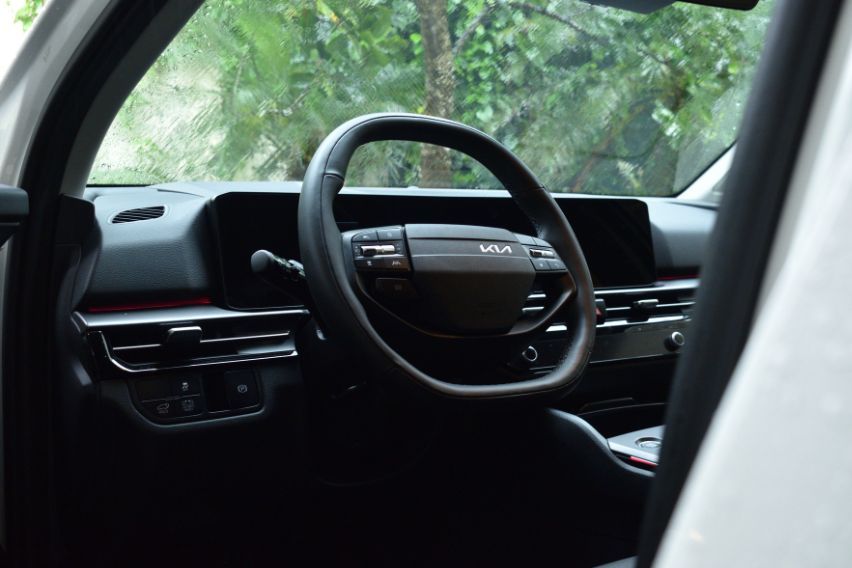 Photo by Cesar Guiderone Miguel
To make sure that it works and keeps working, make sure to check if it has any refrigerant leaks. These are typically left under the car after parking and are usually characterized as a greasy, sticky liquid. If your car leaves a puddle of water behind, that’s normal.
Another good step is to clean your car’s condenser. Depending on the model, this may involve removing the vehicle’s front grille and other parts, so we advise that this step be done by an AC specialist.
Also check the belt that runs the AC compressor. Make sure that it isn’t cracking or is crispy. If you don’t know which belt is for the AC, then it would be more prudent to check all the belts.
Check your oil
When hot climates are about, having good engine oil is vital. This is because oil doesn’t just lubricate engine internals, but it also helps regulate engine temperatures. It moves heat around the engine, usually in areas where the coolant cannot reach.
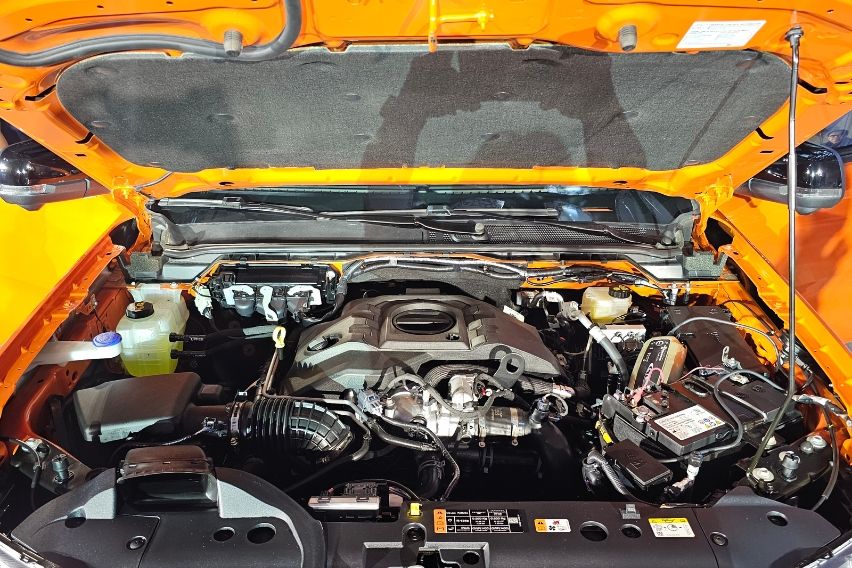 Photo by Cesar Guiderone Miguel
Specific parts that heavily depend on oil include the piston, crankshaft, and bearings. These are always moving, and if not properly lubricated, will likewise create heat via friction.
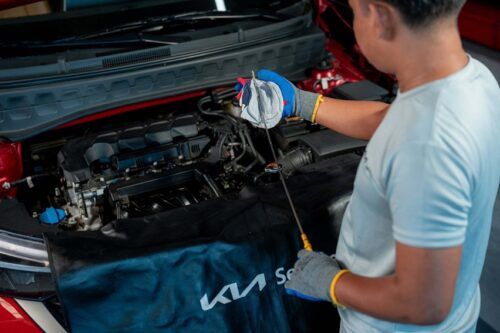
Checking for oil is one of the easiest you can perform. Simply park at level ground, pop the hood, pull out the dipstick, and make sure the oil comes up to the recommended level. Wipe the dipstick clean before sticking in back into its slot.
If the oil is dark brown or black, you may be due for an oil change.
Also read:
Tips on how to prevent vehicle fires
Avoid road trip horror stories this 'Undas' with these tips
Connect with us through our various social media pages:
Facebook: https://www.facebook.com/ZigWheelsPhilippines
Instagram: https://www.instagram.com/zigwheelsph/

Sell your car at the best price
 Verified and genuine buyers
 Free listing
PIMS 2026


Trending & Fresh Updates
- Latest
- Popular
-

-
-
-
-
-
VinFast VF8 vs. the competitionCesar Miguel, Nov 12, 2026
-
-
-
First drive: Kia Sportage Turbo HybridCesar Miguel, Aug 18, 2026
-
-
3 safe driving tips to remember this UndasPaulo Papa, Nov 01, 2026
-
Getting your car ready for El NiñoCesar Miguel, Oct 30, 2026







-
Mitsubishi downgrades FY2026 profit outlookCesar Miguel, Nov 11, 2026
-
-
-
Honda City: old vs. newCesar Miguel, Oct 20, 2026
-
-
-
First drive: Kia Sportage Turbo HybridCesar Miguel, Aug 18, 2026
-
-
-
How to prepare your car for summerCesar Miguel, Mar 11, 2026
-
Tips on how to prevent vehicle firesCesar Miguel, Mar 17, 2026
-
Getting your car ready for El NiñoCesar Miguel, Oct 30, 2026






You might also be interested in
- News
- Featured Stories








Featured Cars
- Latest
- Upcoming
- Popular
-
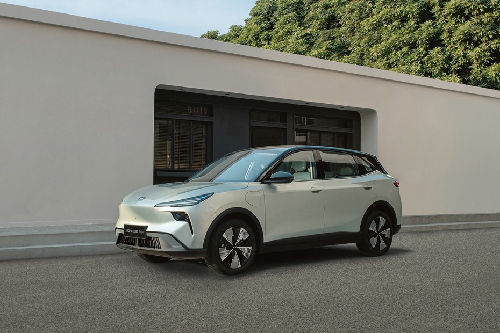
 VinFast VF8₱1.548 - 1.799 Million SRP Price ManilaMonthly Payments : ₱26,556 x 60Write a Review Get Exclusive Promos
-
FAW Bestune Joyee S04₱1.188 Million SRP Price ManilaMonthly Payments : ₱20,380 x 60Write a Review Get Exclusive Promos
-
FAW Bestune Joyee S08₱1.628 Million SRP Price ManilaMonthly Payments : ₱27,929 x 60Write a Review Get Exclusive Promos
-
FAW Bestune Joyee N09₱1.968 Million SRP Price ManilaMonthly Payments : ₱33,762 x 60Write a Review Get Exclusive Promos
-
Kia PV5 Cargo₱2.098 Million SRP Price ManilaMonthly Payments : ₱35,992 x 60Write a Review Get Exclusive Promos





-
MINI 5 Door₱3.799 Million SRP Price ManilaMonthly Payments : ₱65,173 x 604.56 (18 Reviews) Get Exclusive Promos
-
MINI 3 Door₱3.28 - 4.499 Million SRP Price ManilaMonthly Payments : ₱56,270 x 604.53 (19 Reviews) Get Exclusive Promos
-
-
Toyota Vios₱738,000 - 908,000 SRP Price ManilaMonthly Payments : ₱12,660 x 604.28 (107 Reviews) Get Exclusive Promos
-
Kia Sonet₱778,000 - 1.218 Million SRP Price ManilaMonthly Payments : ₱13,346 x 604.36 (14 Reviews) Get Exclusive Promos




Latest Car Videos on Zigwheels

-
2026 Ford Territory Hybrid Trend Review | Zigwheels.Ph16 Nov, 2026 .
-
2026 Hyundai Stargazer X Walkaround - Hyundai Explained | Zigwheels.Ph16 Nov, 2026 .
-
2027 Nissan Navara Pro and Primera First Look | Zigwheels.Ph16 Nov, 2026 .
-
2026 Toyota RAV4 ADV Review | Zigwheels.Ph16 Nov, 2026 .
-
2026 Honda CR-V VX e:HEV Review | Zigwheels.Ph16 Nov, 2026 .
-
Isuzu N-Series EV Concept and More @ 1st Philippine International Truck Show! | Zigwheels.Ph23 Oct, 2026 .
-
2027 Honda City and Civic RS First Look | Zigwheels.Ph23 Oct, 2026 .
-
2027 Lynk & Co 900 Walkaround | Zigwheels.Ph23 Oct, 2026 .
-
2026 GAC AION UT Review | Zigwheels.Ph23 Oct, 2026 .
-
Would You Buy a BYD Yet? | Z-List Monthly Wrap | September 202623 Oct, 2026 .









Car Articles From Carmudi
- journal
- advice
- financing
- insurance
-
Lexus PH enters PHEV arena with RX 450h+ Premier launchRuben Manahan IV, Nov 17, 2026
-
BYD expands Sealion 6 DM-i lineup with Dynamic, Premium variantsRuben Manahan IV, Nov 13, 2026
-
Li Auto taps Dangdang New Energy Auto Service as new PH distributorRuben Manahan IV, Nov 12, 2026
-
All-new VinFast VF8 breaks coverPaulo Papa, Nov 10, 2026
-
Upcoming Chery QEV proves mettle in 173-km drivePaulo Papa, Nov 05, 2026





-
Register & get OR/CR for your imported car the right wayCarmudi PH, Apr 16, 2025
-
How to handle a checkpoint: The right and wrong movesCarmudi PH, Apr 14, 2025
-
Don’t risk it: Here’s how to confirm driver’s license validityCarmudi PH, Apr 08, 2025
-
Your complete guide to a Non-Professional Driver’s LicenseCarmudi PH, Apr 04, 2025
-
Fixing errors or updating info? How to revise your driver’s licenseCarmudi PH, Apr 02, 2025




-
Toyota Vios, Honda City and Mitsubishi Mirage Loan Appraisal: Details Owners Should PrepareCarmudi PH, Nov 17, 2026
-
Cancellation of Chattel Mortgage on Your Car: A Step-by-Step Guide for the PhilippinesCarmudi PH, Nov 06, 2026
-
Modified Pickup Sangla OR/CR: How to Prepare for the AppraisalCarmudi PH, Nov 05, 2026
-
Can You Apply for Sangla OR/CR if the Car Is Not in Your Name?Carmudi PH, Oct 28, 2026
-
Car Inspection Checklist Before a Sangla OR/CR AppraisalCarmudi PH, Oct 21, 2026



-
How hidden facts and fake claims can ruin your insurance protectionCarmudi PH, Jun 10, 2026
-
Is your car ready for the next big downpour? The insurance traps most drivers missCarmudi PH, Jun 08, 2026
-
What to do if your car insurance claim is denied for premium non-paymentCarmudi PH, Jun 05, 2026
-
Buy these car accessories once & reap the benefits every renewalCarmudi PH, Jun 03, 2026
-
Top reasons Filipino drivers file Acts of Nature claimsCarmudi PH, Jun 01, 2026