Volvo, Daimler, Toyota join forces to push Hydrogen trucks in Europe
Europe aims to scale hydrogen trucks as Asia advances its own solutions
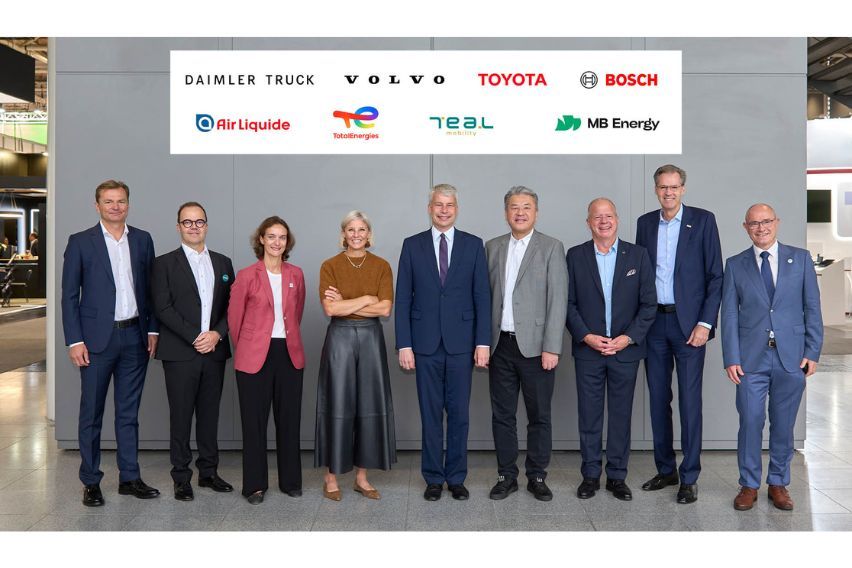
MANILA: Trucking industry leaders in Europe have joined hands to further strengthen the proliferation of hydrogen-powered commercial vehicles. Specific companies that have partnered up for this endeavor include Volvo Group, Daimler Truck, Toyota Motor Corporation, Bosch, Air Liquide, TotalEnergies, TEAL Mobility, and MB Energy.
KEY TAKEAWAYS
Which companies are working together to expand hydrogen trucks in Europe?
Volvo Group, Daimler Truck, Toyota Motor Corporation, Bosch, Air Liquide, TotalEnergies, TEAL Mobility, and MB Energy are collaborating to accelerate hydrogen truck deployment.What are the main challenges facing hydrogen trucks?
Volvo Group identified long driving range, high payload capacity, rapid refueling, and operational flexibility as key requirements.This group deemed it necessary to emphasize the scalable deployment of hydrogen trucks, with widespread launches and infrastructure expansions as soon as possible. The aforementioned comes with support from German authorities; as such, the said deployment will be focused on Europe.
Notably, Asia has already caught up with Europe in hydrogen-powered logistics solutions. As Zigwheels Philippines has observed during trips to Japan and China, Great Wall Motor (GWM) and Fuso have already made significant strides in developing hydrogen trucks.
Other stories: |
GWM has already commercialized the fruits of the GWM Hydrogen Energy Center through GWM-Hydrogen FTXT. In Japan, meanwhile, Fuso has already shown the world the H2IC and H2FC hydrogen-powered trucks at the Japan Mobility Show 2025 - functional prototypes that are already in their validation phase.
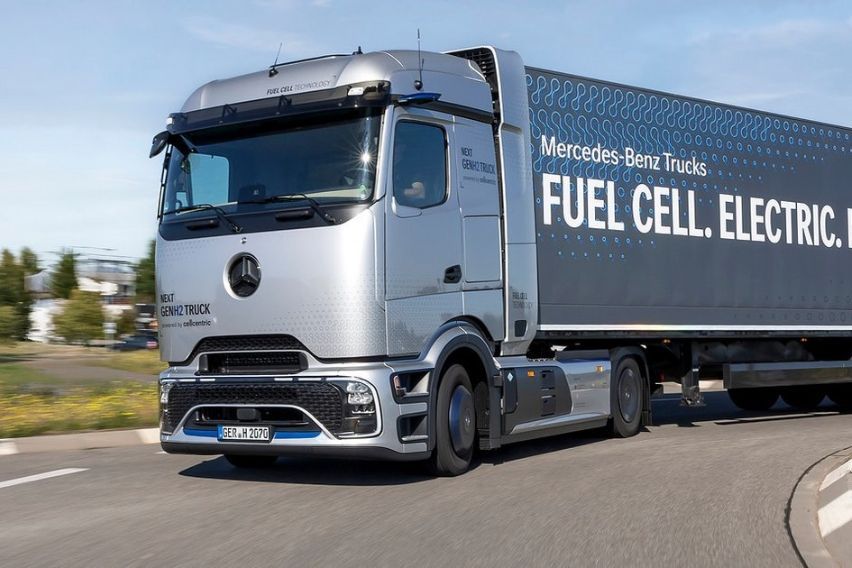 Photo from Daimler Trucks
On the one hand, Daimler Truck claims that its clients have already collectively covered 600,000 kilometers using hydrogen fuel cell trucks. The said company, along with the others mentioned above, isn’t resting until the bottlenecks in hydrogen powertrain technology are overcome.
According to Volvo Group, the biggest hurdles in hydrogen-powered commercial vehicles are as follows:
- Requirement for long range
- Requirement for high payload capacity
- Rapid refueling
- Operational flexibility
For its part, Daimler Truck plans to deploy 100 hydrogen fuel-cell trucks from the end of 2026 onwards. The company is also developing its first line of hydrogen-powered combustion engine trucks, which will launch next year.
Volvo Group, on the other hand, will advance its hydrogen portfolio with both fuel-cell and hydrogen-combustion trucks for market rollout towards 2030.
Toyota Motor Corporation will step in as a technology partner. Notably, it has decades of experience in developing and supplying fuel cell systems. On the one hand, Bosch will be the primary source of hydrogen-powered vehicle components.
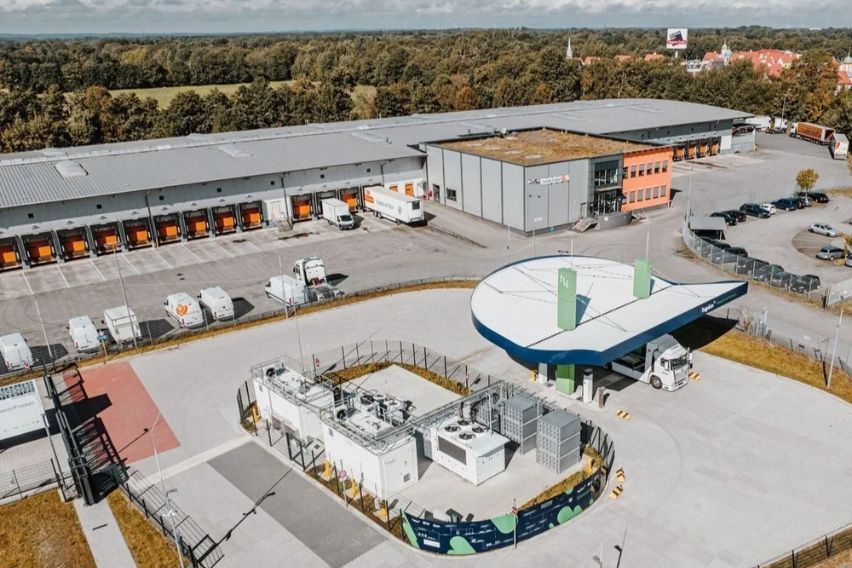 Photo from MB Energy
Air Liquide, TotalEnergies, and MB Energy will work alongside the ones mentioned above as hydrogen suppliers. Currently, the three have made investments that will advance the European setting’s hydrogen supply chain to large-scale capacity. Specifics include fuel stations that are capable of refueling up to 100 hydrogen trucks per day.
The German government, on the other hand, is supporting these measures by implementing European Union policies that will make hydrogen trucks cheaper through incentives.
Will we ever see a similarly large push such as this in the Philippines?
Also read:
Honda, Isuzu begin testing hydrogen-powered Giga Fuel Cell on public roads
Hyundai brings self-driving Xcient to US
Connect with us through our various social media pages:
Facebook: https://www.facebook.com/ZigWheelsPhilippines
Instagram: https://www.instagram.com/zigwheelsph/

PIMS 2026


You might also be interested in
- News
- Featured Stories
-

-
-
Sojitz Fuso PH showcases eCanter at PITSCesar Miguel, Oct 23, 2026
-
-
-

Featured Trucks
- Upcoming
- Popular
-
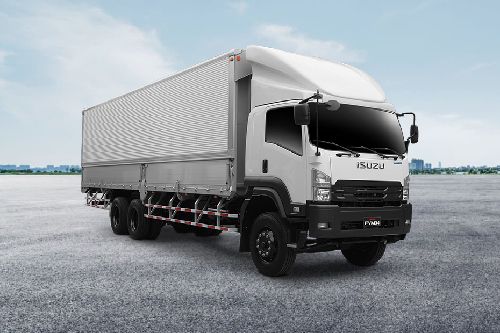
 Isuzu F-Series₱2.74 - 5.4 Million SRP Price ManilaMonthly Payments : ₱47,006 x 604.33 (6 Reviews) Get Exclusive Promos
-
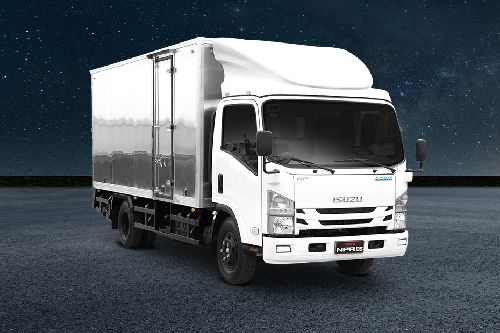
Isuzu N-Series₱1.47 - 2.91 Million Price on request ManilaMonthly Payments : ₱25,218 x 604.43 (7 Reviews) Get Exclusive Promos
-
-
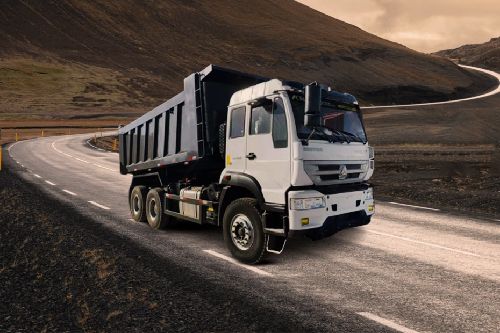
HOWO 10W₱3.33 - 4.03 Million SRP Price ManilaMonthly Payments : ₱57,127 x 604.2 (5 Reviews) Get Exclusive Promos
-
Dongfeng Captain-E₱1.035 Million SRP Price ManilaMonthly Payments : ₱17,755 x 604.29 (7 Reviews) Get Exclusive Promos
Latest Truck Videos on Zigwheels

-
Test Driving Their Biggest Truck! + What Makes Isuzu's The Best | Zigwheels.Ph12 Feb, 2026 .
-
2025 Isuzu Truckfest – The Ultimate Showcase of Isuzu’s Best Trucks!04 Mar, 2025 .
-
Sailun COMMERCIO PRO Light Truck Commercial Tires | in partnership with Sailun Philippines28 May, 2024 .
Truck Articles From Carmudi
- journal
-
Isuzu PH gains truck sales Triple Crown for 2025Ruben Manahan IV, Jan 27, 2026
-
Maxus re-enters PH; eyes strong market presence in local truck segmentRuben Manahan IV, Oct 22, 2025
-
Thaco gets BJ Mercantile as distributor for PH marketRuben Manahan IV, Jun 26, 2025
-
Isuzu PH maintains truck sales dominance in Apr. 2025Ruben Manahan IV, May 29, 2025
-
HARI introduces 3 products at Hyundai Trucks and Bus Mobility ExpoPaulo Papa, May 06, 2025