
.jpg)
Ninja 250 Pros & Cons
Key advantages and drawbacks at a glance
Things we like in Ninja 250
Improved Power-To-Weight Ratio
Impressive Styling
Mature Handling
Things we don't like in Kawasaki Ninja 250
Engine Response Has A Room For Improvement
The Pillion Seat Might Not Be Comfortable For Everyone
Gallery of Ninja 250
- exterior
- color
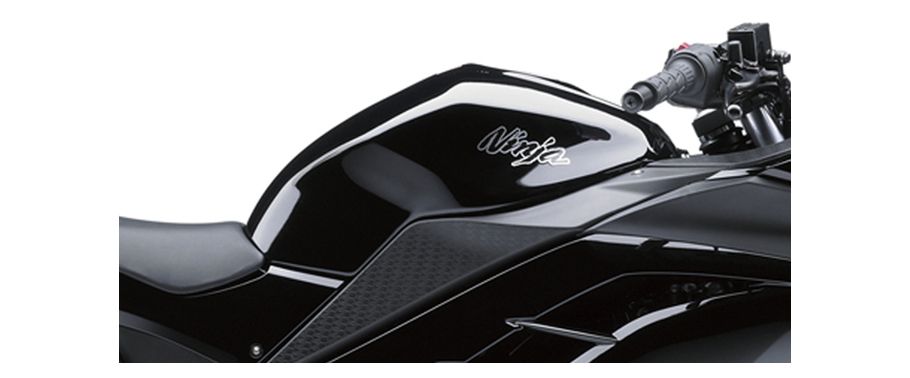
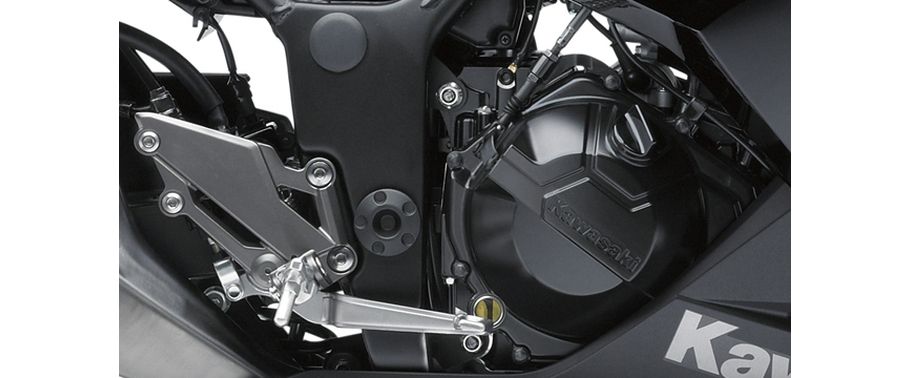
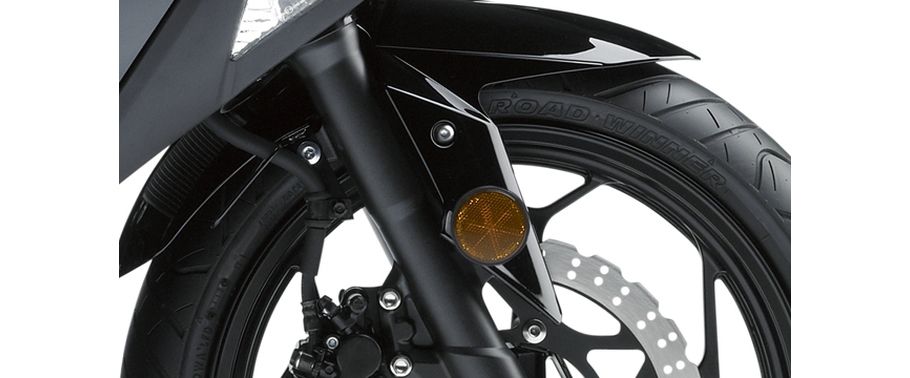
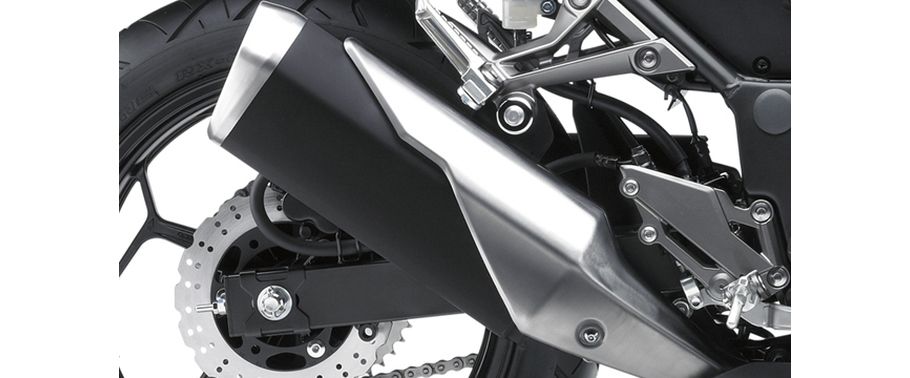
Kawasaki Ninja 250 Exterior Images
Exterior ImagesExplore 13 Exterior images of the Kawasaki Ninja 250 and Get a Closer Look
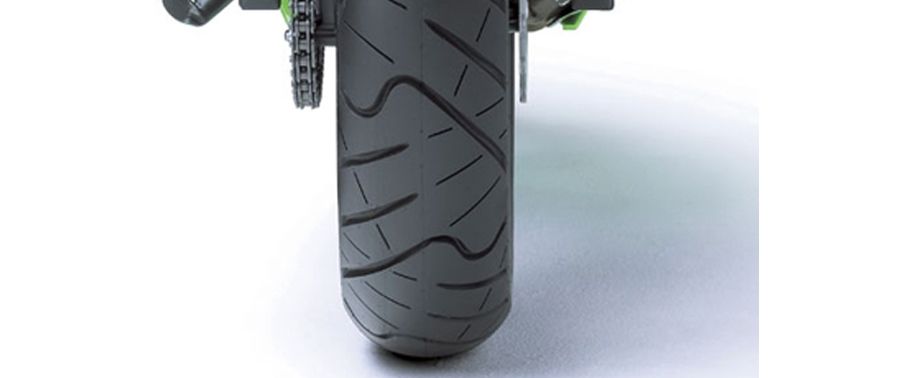
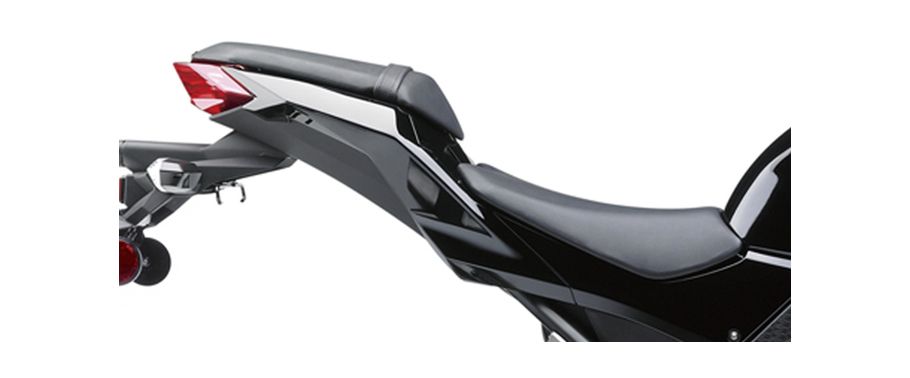
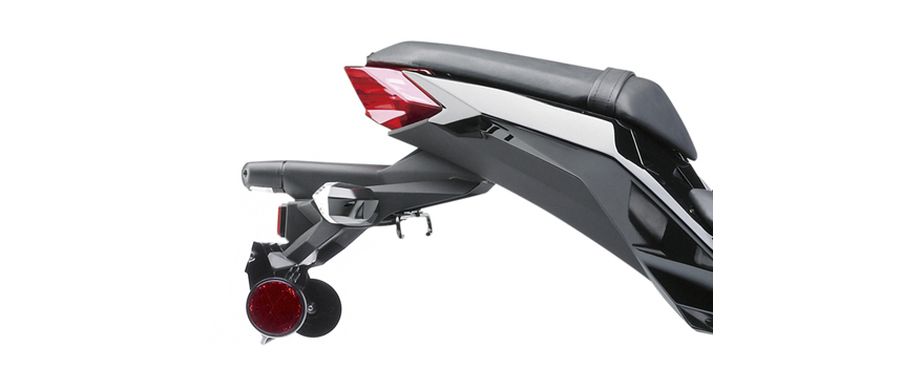
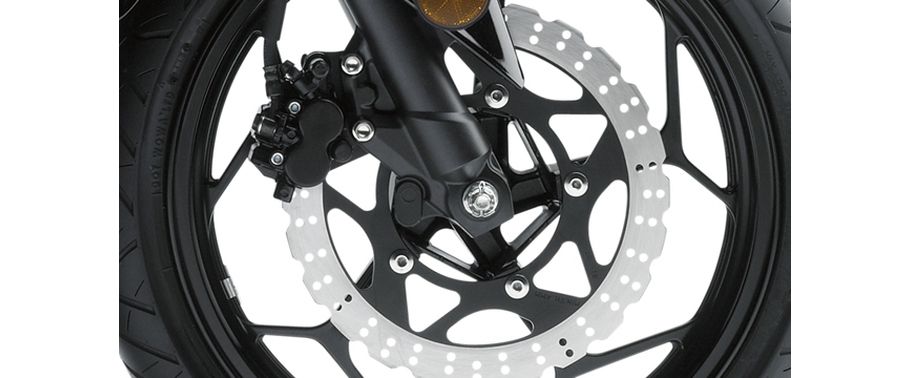
Kawasaki Ninja 250 Colors
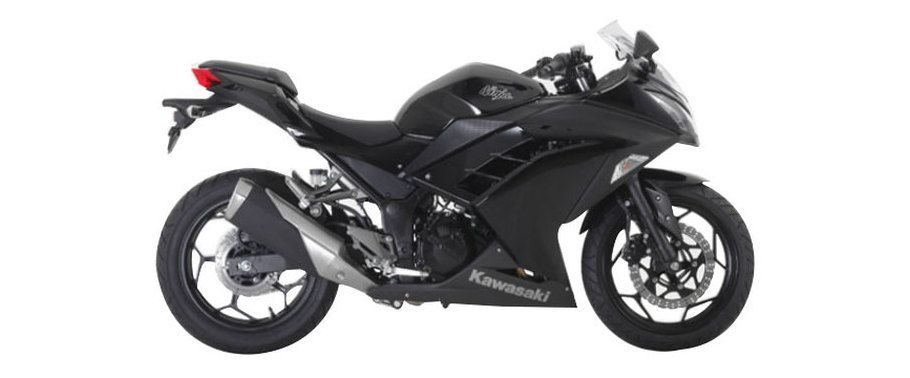
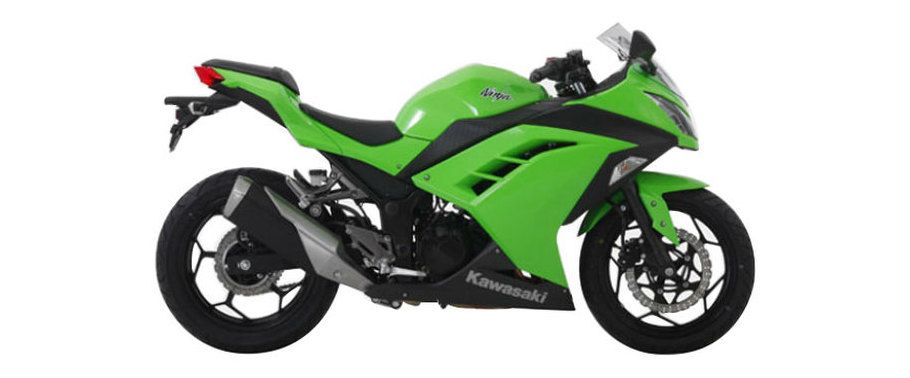
ColorsKawasaki Ninja 250 is available/sold in the 2 colours in Philippines.
Kawasaki Ninja 250 Review 2026
Kawasaki’s entry-level sportbike has ruled the Asian market for decades. This little monster has delivered impressive sales figures for the Japanese bike maker, and with its recent update, the graph is expected to see new heights. Since its inception in 1983, the Ninja 250 has been a quintessential starter motorcycle for every new rider. It's lightweight, nimble range, top performance, edgy styling and decent fuel economy makes Kawasaki Ninja 250 an ideal commuting sports bike. With its recent update, the bike has lost a significant amount of weight, which has resulted in an improved overall performance, which was somewhere missing in the outgoing model.
Read More
Kawasaki Ninja 250 Design
One of the best-selling bikes of Kawasaki, Ninja 250 has earned a lot of accolades not only because of its performance but, due to its impressive styling as well. Though the experts claim that the Ninja 250 possess a conventional design philosophy, it has able to attract a lot of speed enthusiasts in an effective manner. Inspired by its elder sibling, the Ninja 650, the quarter-litre bike has received a new color scheme that is impressive and striking at the same time. The Ninja 250’s large plastic and steel parts look sturdy while the sharp dual-headlamp unit reflects the aggressive character of the bike in an efficient manner.
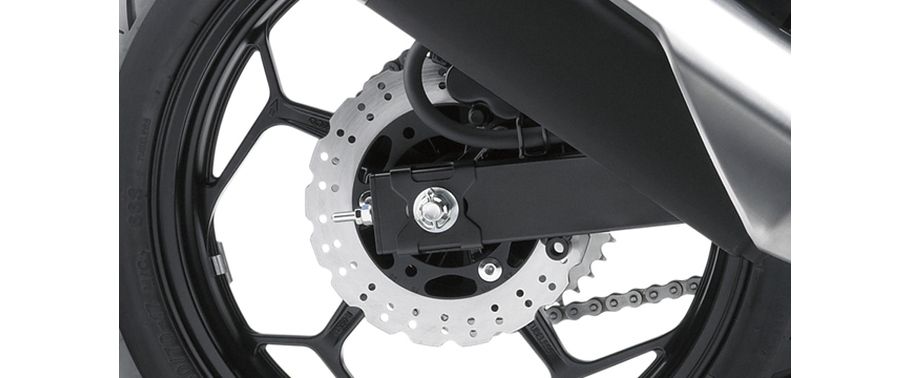
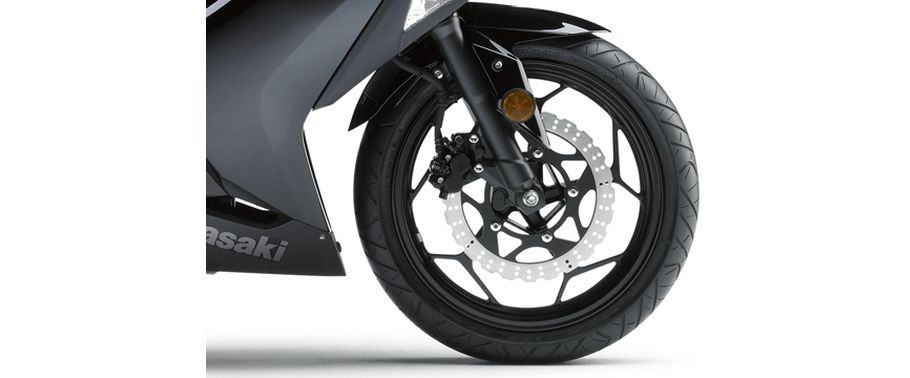
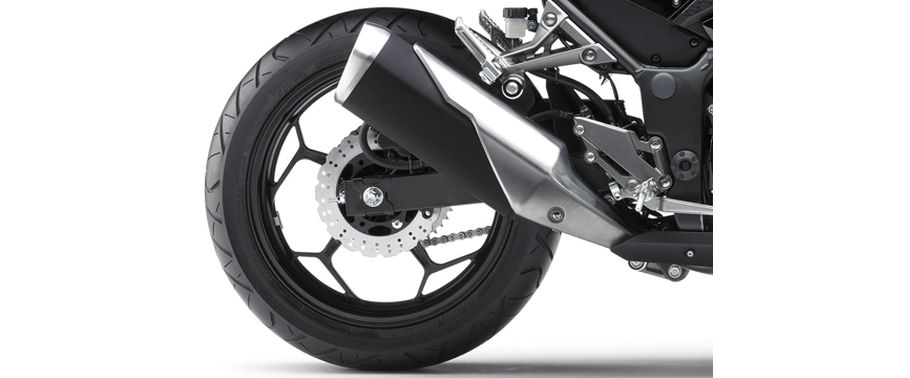
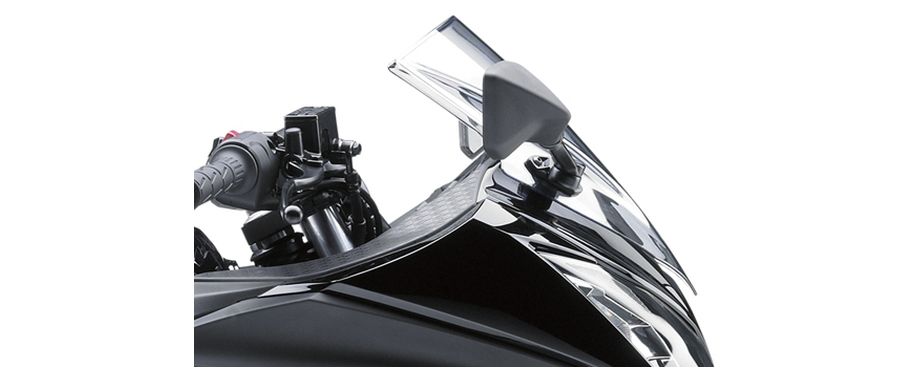
The mask fairing contours, black tinted windscreen, and rear view mirrors provide the Ninja 250 an edgy look while the 6 spoke black alloy wheels complements the overall body structure along with providing optimal stability. The Japanese manufacturer has upgraded the instrument cluster to a digital one, which was in the analog format in the previous version. The bike is now evolved on the tubular diamond-shaped frame which now employs high-tensile steel which is the key reason behind the significant weight loss of the bike along with improved rigidity.
Kawasaki has not only worked on the design elements of the bike, it has also redesigned the chassis which holds the engine in place. All these changes result in a much better styling and improved handling.
Ninja 250 Engine & Fuel Consumption
The liquid cooled, 4-stroke, parallel twin, 249cc engine of the bike churns out a maximum power output of 33 PS at 11000 rpm and peak torque reads 22 Nm at 8200 rpm. The engine is further coupled with a six-speed transmission which is operated via multi-disc clutch, that is smooth and convenient. With the liquid cooled technology in place, the cooling efficiency gets improved to a significant extent and further leads to improved mileage. This means a rider can get a mileage ranging between 30-35 kmpl which is quite decent in the segment.
The Ninja 250 can hit 0 to 60 kmph mark in just 5.75 seconds and one can achieve a top speed of 170 kmph. In the latest edition of Ninja 250, engineers have re-tuned its 249cc engine to deliver a smooth ride with a step-free power which has further improved the low and midrange power to offer a rider-friendly response.
Kawasaki Ninja 250 Braking & Safety
The braking equipment is upgraded and the front now gets a 290 mm single petal disc brake while the rear features a similar 220 mm disc brake. With slipper clutch in place, the effects of back torque and sudden braking reduce and prevents the rear wheel to lock or skid. To further support its braking mechanism, Ninja 250 also sports an advanced ABS in its updated version. The perfect blend of adequate weight distribution, well-proportioned dynamics, ergonomic handlebar and footpeg location help the rider to chuck the bike into a corner at high speeds which might be hard to manage on any other direct competitors of the bike.
For suspension duties. Kawasaki integrated the Ninja 250 with a 37mm telescopic front fork with a firm setting that enhances ride control and contributes to steady handling. Whereas, the rear shock features 5-way adjustable preload, enabling ride height to be maintained whether riding solo or with a passenger.
Kawasaki Ninja 250 Questions & Answers (FAQs)
Get answers to frequently asked questions (FAQs) about the Kawasaki Ninja 250, including its features, specifications, performance, maintenance, and more.
How much is Kawasaki Ninja 250 in Philippines?
The Kawasaki Ninja 250 price in the Philippines starts at for the base variant.
Helpful (1711)Zigwheels teamhas asked on May 29, 2023
Q. What is the Kawasaki Ninja 250 top speed?
Answer

Zigwheels teamhas asked on May 29, 2023
Q. What is the Kawasaki Ninja 250 seat height?
Answer
Zigwheels teamhas asked on May 29, 2023
Q. What is the Kawasaki Ninja 250 Ground Clearance?
Answer
Zigwheels teamhas asked on May 29, 2023
Q. What is the Kawasaki Ninja 250 fuel tank capacity?
Answer
Zigwheels teamhas asked on May 26, 2018
Q. What are the top variants of Kawasaki Ninja 250?
Answer
Kawasaki Featured Motorcycles
-
 Ninja ZX-4RR₱505,000 SRP Price ManilaMonthly Payments : ₱12,340 x 364.38 (8 Reviews) Get Exclusive Promos
 -
Ninja ZX-25R₱406,000 SRP Price ManilaMonthly Payments : ₱9,922 x 364.71 (28 Reviews) Get Exclusive Promos
-
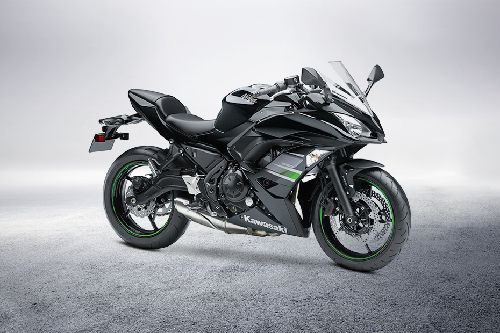
Ninja 650₱452,000 SRP Price ManilaMonthly Payments : ₱11,046 x 364.65 (31 Reviews) Get Exclusive Promos
-
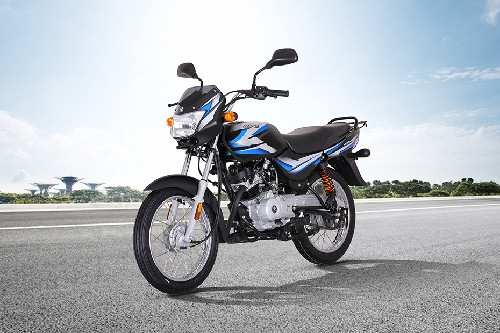
CT100₱56,700 SRP Price ManilaMonthly Payments : ₱1,385 x 364.36 (27 Reviews) Get Exclusive Promos
-
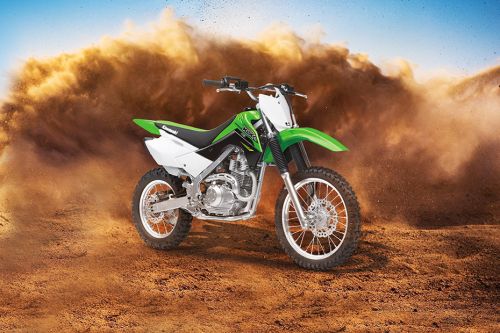
KLX 140₱162,000 SRP Price ManilaMonthly Payments : ₱3,959 x 364.33 (23 Reviews) Get Exclusive Promos
Nearest Kawasaki Dealers
Further Research on Ninja 250
- Kawasaki Ninja 250 Price List
- Kawasaki Ninja 250 Images
- Kawasaki Ninja 250 Colors
- Kawasaki Dealers in manila