
Types of electric cars
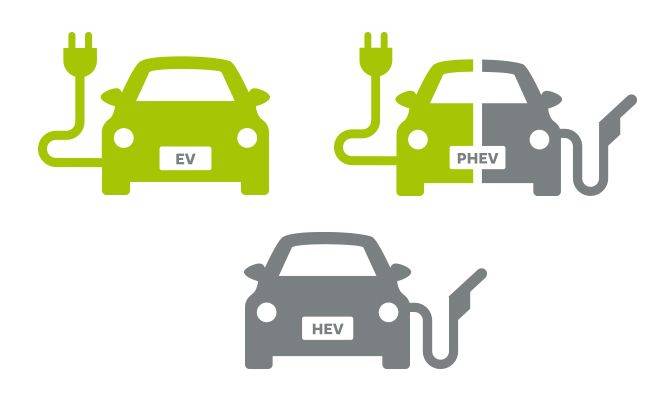
We’ve seen so much technological development nowadays in different aspects of our daily lives, and the automotive industry is no different. With the call for boosting fuel efficiency, lowering fuel consumption, and manufacturing cars that are more environmentally friendly, most automakers are now also taking the advantage of having an alternative fuel which is electricity to create electrified cars
Electric powered cars trace its past from the 1880s. Although most of the models produced were not for commercial distribution, this was once of the best technological innovation that has been done for the transportation industry.
Electric vehicles or cars, also known as EVs, are types of vehicles that are driven by one or more electric motors using energy stored in rechargeable batteries instead of an internal combustion engine alone.
Aside from being environment-friendly, reducing or completely eliminating your fuel cost, electric vehicles are also very responsive and have a very good turning effect since the electric motor reacts quickly. On the other hand, electricity prices or fees are much more stable than fuel and maintenance costs and general running costs are also more affordable with an EV too.
Also Read: EV vs Regular Combustion Engine
There are several well-known types of electric vehicles that are out in the market based on their powertrain configuration. Let’s take a look at their specs:
MILD HYBRID ELECTRIC VEHICLE
If you haven’t had experience with an electric vehicle before, a mild hybrid electric vehicle can easily introduce you to its benefits and smooth driving experience compared to a full hybrid vehicle. It combines the best of both worlds, which are petrol and electricity, and typically is the most affordable way to hybrid ownership.
The mild-hybrid kinds of vehicles are powered by more than one energy source for their propulsion - mainly by petrol in an internal combustion engine assisted by electricity in an electric motor to reduce the amount of work it needs to do. It has a stop/start system, a smaller battery, and a motor-generator that can both create electricity and help boost the gasoline engine. It also allows the engine to switch off at a lower speed setting or when you’re stationary, braking or cruising. These make for lower fuel consumption yet still reducing emissions. Nonetheless, it doesn’t attain the same level of fuel efficiency improvement as compared to full hybrid models.
The battery can be charged by regenerative braking, because of this function, it is not necessary for it to be plugged into a power source. However, it also could not move using just electric power as all movements are generated by the internal combustion engine.
An example of the mild hybrid car would be the Honda Civic Hybrid, Chevrolet Silverado Hybrid, and 2020 Mercedes-Benz GLE.
STRONG HYBRID ELECTRIC VEHICLE
Strong or full hybrid vehicles, on the other hand, are vehicles that can run on either only by the combustion engine, the electric motor or give you a strong boost of power with the combination of both. Unlike the mild hybrid, where the electric motor cannot power the car on its own, you can enjoy pure electric power for up to 50% in a full hybrid vehicle. Although the vehicle can also be powered by an internal combustion engine, this type of hybrid can also run completely on electricity over short distances.
By inter-converting mechanical and electrical power, it selects the best mix of internal combustion engine and electric resource in a split power path to give you more flexibility for your driving experience. Also, since the strong hybrids models can hold limited amounts of electric charge, it can be used to provide an added boost with the combustion engine, thus improving its fuel economy more.
Even though the power required in starting the vehicle is generated by the gasoline engine beforehand, the electric motor in a full hybrid will most likely be used the entire time that the vehicle is running and the battery can be charged even with the lack of the main supply.
The Toyota Prius and Ford Escape are both examples of strong or full hybrid vehicles.
PLUG-IN HYBRID ELECTRIC VEHICLE
A plug-in hybrid electric vehicle or PHEV is an exceptional vehicle that is similar to electric hybrid vehicles but, as the name suggests, can be plugged in to charge its electric batteries. It is also said to be across from a hybrid vehicle and a fully electric one because of this function.
They can run without producing emission over longer distances unlike the first two hybrids and once the batteries charge became insufficient the engine automatically takes over. PHEVs also have higher capacity in terms of its battery compared to HEVs but can use regenerative braking to get it charged like the mild and strong hybrids.
It also has a lower total cost of ownership and lesser to zero carbon emissions based on usage.
If you charge this vehicle overnight and drive it to your daily short trips and commutes you can use the car with all of the electric motor function and reduce or eliminate your fuel consumption completely.
Don’t have time to charge? No worries as it still can function as a conventional hybrid while using the gasoline engine once the electricity resource is depleted. Hence, charging the battery won’t be mandatory.
You might want to check Toyota Prius PHV and Mitsubishi Outlander PHEV for these kinds of vehicles.
Also Read: 7 Smart tips to extend your EVs battery life
BATTERY ELECTRIC VEHICLE
Also known as the BEVs, the battery-electric vehicles are the fully-electric vehicles with rechargeable batteries and no gasoline engine. Instead of a fuel tank, this vehicle stores electricity onboard through high-capacity battery packs. The main good thing about BEVs is that it doesn’t produce any harmful emissions that are hazardous to both humans and the environment. BEVs are charged by electricity from an external source and its chargers are classified into three based on their respective speed to fully recharge:
Level 1 Charging - To charge this vehicle, it will use a standard household outlet with 120v and takes around 8 hours to be fully charged. This amount of power can cover approximately 75-80 miles already and it is one of the most common chargers that have the capability to be utilized onto most EVs in the market.
Level 2 Charging - This kind of charging usually utilizes a specialized station that provides an outlet with 240v. In order to cover up a distance of 75-80 miles, this charger needs at least 4 hours to finish. It can be typically found at workplaces and public charging stations.
Level 3 Charging or DC Fast Charging - Known also as ‘fast charging’, this is the current fastest charging solution for electric vehicles in the automotive industry. This type of charger is found ad dedicated EV charging stations and will only take 30 minutes to be fully charged and cover a distance of 90 miles.
Some examples of this car are the Tesla Model 3, BMW ii3, Chevy Volt, Chevy Spark, Nissan LEAF, and Ford Focus Electric.
Our two cents worth: With the fast-paced progress in terms of automotive technology, it would not be surprising to see more automakers creating their own versions of electric cars or even motorcycles, which is also available for quite some time already.
After all, it is not just about the trend or the need to do so but more like an innovative answer to the existing problems faced by our environment because of the gas emissions by gasoline or diesel-powered engines. Although this is not the sole solution to everything, this is already a big step towards a holistic approach to solving global warming without compromising the continuously growing automotive industry.
For more amazing stories about everything that’s about cars and motorcycles, stay tuned to our articles here at Zigwheels Philippines!
Also Read: 7 Common electric car myths busted

Purva Jain


Purva is a crazy admirer of cars and she has got a lot of expertise in their detailing. Though, she has mastered in Economics but cars have always been her field of interest. She is an introvert in talking but when it comes to cars and the latest news regarding them she talks like hell. Exploring new cars as well as the vintage machines is listed in her hobbies while getting to know about the history behind the same are the things which she enjoys the most. She may seem silent from the outside but inside her is a volcano erupting to engulf the mean machines.
Read Full BioSell your car at the best price
 Verified and genuine buyers
 Free listing
PIMS 2026


Trending & Fresh Updates
- Latest
- Popular
-

-
-
-
-
-
-
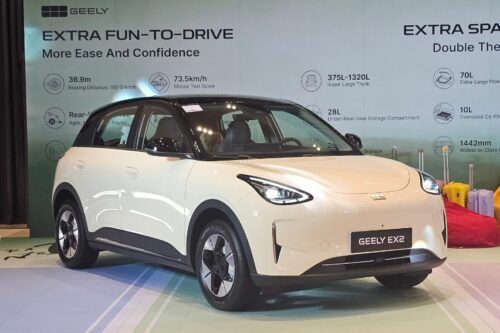
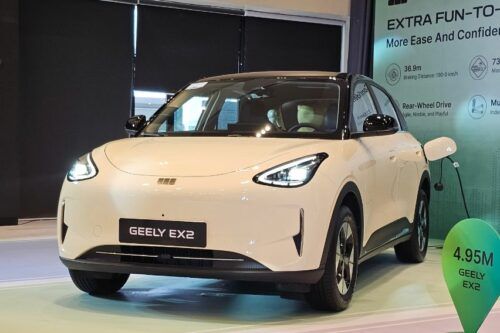
First impressions: Geely EX2Cesar Miguel, Jun 18, 2026
-
-
BYD DM-i lineup conquers Southern LuzonCesar Miguel, Mar 10, 2026
-
Tips on how to prevent vehicle firesCesar Miguel, Mar 17, 2026
-
How to prepare your car for summerCesar Miguel, Mar 11, 2026
-







-
-
-
-
-
-
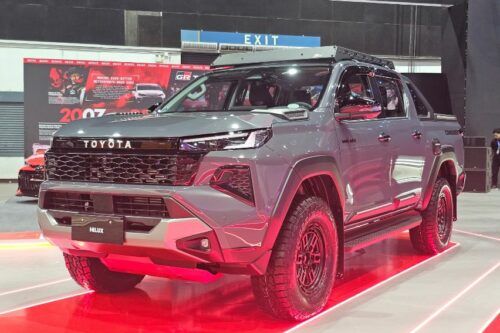
3 reasons to like the next-gen Toyota HiluxCesar Miguel, Jun 29, 2026
-
First impressions: Geely EX2Cesar Miguel, Jun 18, 2026
-
How to prepare your car for summerCesar Miguel, Mar 11, 2026
-
Tips on how to prevent vehicle firesCesar Miguel, Mar 17, 2026

You might also be interested in
- News
- Featured Stories
-
-
-
-
Tesla expands charging networkRuben Manahan IV, Jul 27, 2026
-
-
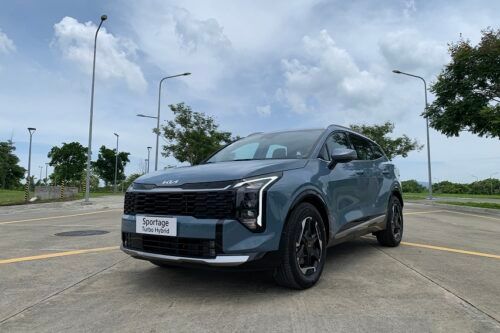
Kia PH brings back Sportage nameplatePaulo Papa, Jul 24, 2026



-
-
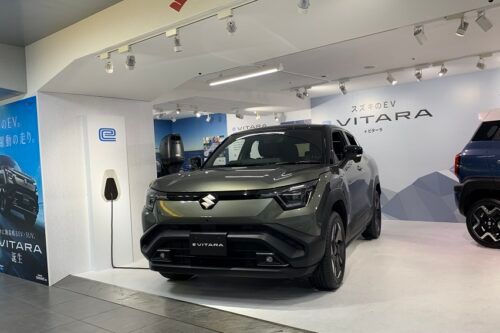
Suzuki e-Vitara: 2 tamed colorsPaulo Papa, Jul 07, 2026
-
-
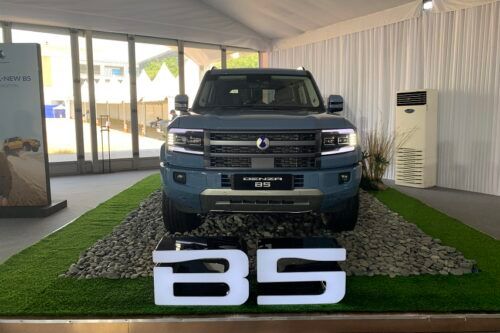
Denza B5: 3 reasons to buyPaulo Papa, Jun 26, 2026
-
-
3 biggest reasons to buy the Geely EX2Cesar Miguel, Jun 22, 2026
Featured Cars
- Latest
- Upcoming
- Popular
-
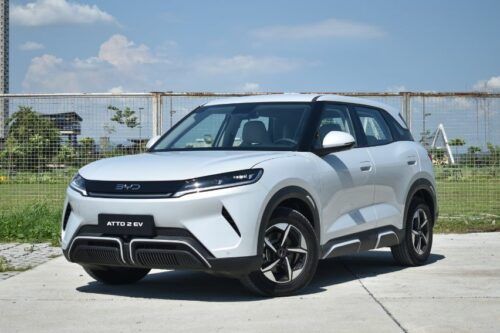
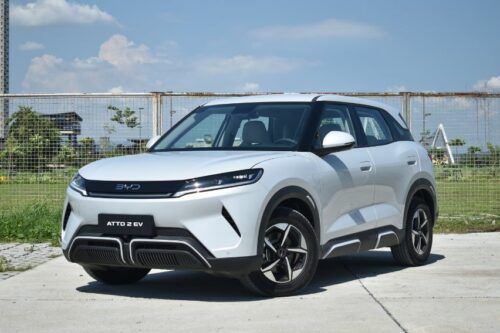
 BYD Atto 2 EV₱1.338 Million SRP Price ManilaMonthly Payments : ₱22,954 x 60Write a Review Get Exclusive Promos
 -
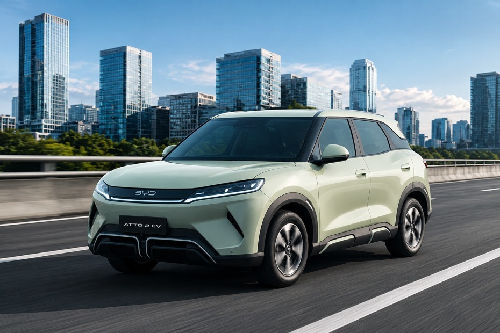
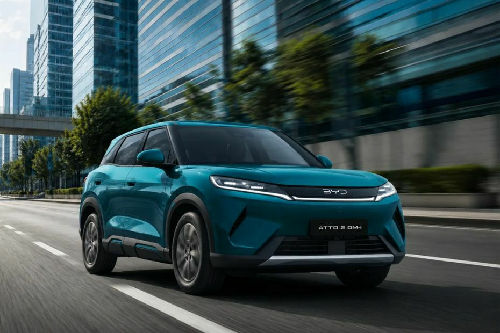
BYD Atto 2 DM-i₱1.048 - 1.258 Million SRP Price ManilaMonthly Payments : ₱17,978 x 60Write a Review Get Exclusive Promos
-
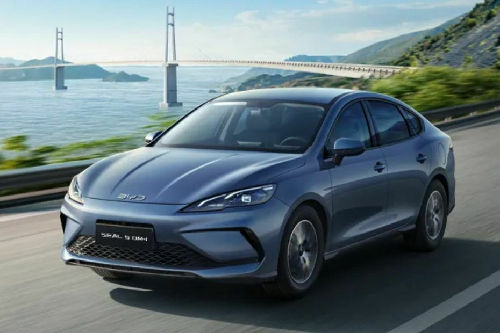
BYD Seal 5 DM-i₱948,000 - 1.048 Million SRP Price ManilaMonthly Payments : ₱16,263 x 604.4 (5 Reviews) Get Exclusive Promos
-
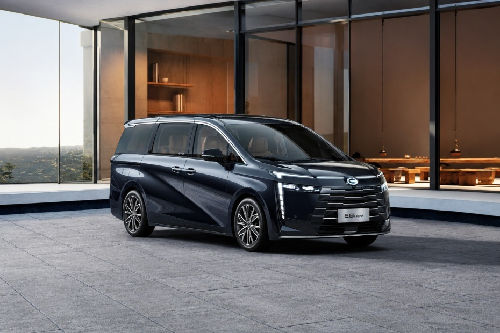
GAC E8 HEV₱1.858 - 1.998 Million SRP Price ManilaMonthly Payments : ₱31,874 x 60Write a Review Get Exclusive Promos
-
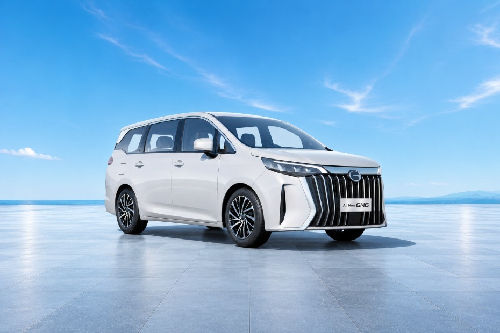
GAC GN6₱1.198 Million SRP Price ManilaMonthly Payments : ₱20,552 x 604.3 (10 Reviews) Get Exclusive Promos

-
MINI 5 Door₱3.799 Million SRP Price ManilaMonthly Payments : ₱65,173 x 604.56 (18 Reviews) Get Exclusive Promos
-
MINI 3 Door₱3.28 - 4.499 Million SRP Price ManilaMonthly Payments : ₱56,270 x 604.53 (19 Reviews) Get Exclusive Promos
-
-
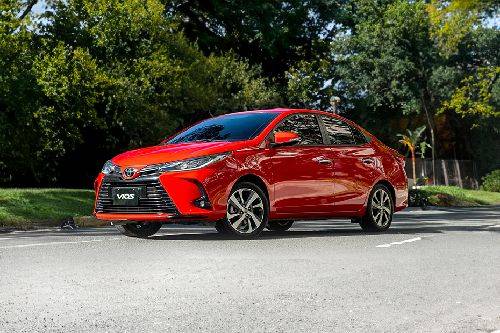
Toyota Vios₱738,000 - 908,000 SRP Price ManilaMonthly Payments : ₱12,660 x 604.28 (107 Reviews) Get Exclusive Promos
-
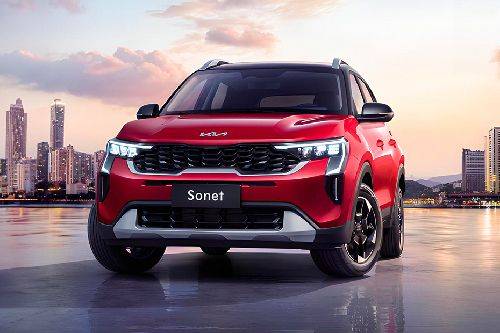
Kia Sonet₱778,000 - 1.178 Million SRP Price ManilaMonthly Payments : ₱13,346 x 604.36 (14 Reviews) Get Exclusive Promos



Latest Car Videos on Zigwheels

-
The New BYD Seal 5 DM-i – Going Farther for Less! | First Look | Zigwheels.Ph04 Aug, 2026 .
-
The All-New BYD Atto 2 (EV & DM-i) – Electrified 2 Ways! | First Look | Zigwheels.Ph04 Aug, 2026 .
-
2026 Changan Lumin L Review | Zigwheels.Ph04 Aug, 2026 .
-
How to Mod (ALL) Your Family Cars! | The Toyota Choice | Zigwheels.Ph24 Jul, 2026 .
-
This Family Has Enough Cars to Make Their Own Car Meet! | The Toyota Choice | Zigwheels.Ph24 Jul, 2026 .
-
2027 Jaecoo J5 EV | THE BEST VALUE EV? | Zigwheels.Ph24 Jul, 2026 .
-
Team Building Adventure w/ Ford Ranger Raptor and Ford Territory Hybrid20 Jul, 2026 .
-
2026 BYD Seagull Review | Zigwheels.Ph20 Jul, 2026 .
-
2026 Chevrolet Spark Review | Zigwheels.Ph20 Jul, 2026 .
-
2025 Hyundai Staria 2.2 CRDi Walkaround | Zigwheels.Ph20 Jul, 2026 .


Car Articles From Carmudi
- journal
- advice
- financing
- insurance
-
GAC Int’l PH officially launches new MPV familyPaulo Papa, Jul 30, 2026
-
BYD Cars PH delivers 1-2 punch with all-new Atto 2, refreshed Seal 5 DM-i, Jul 28, 2026
-
Sportage returns to Kia PH stablePaulo Papa, Jul 24, 2026
-
CAMPI-TMA H1 2026 sales down 11%Ruben Manahan IV, Jul 24, 2026
-
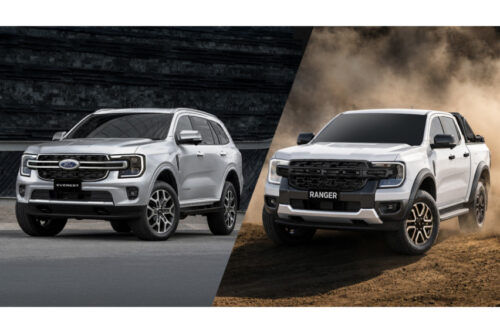
Ford PH unveils exclusive Ranger, Everest variantsRuben Manahan IV, Jul 23, 2026


-
Register & get OR/CR for your imported car the right wayCarmudi PH, Apr 16, 2025
-
How to handle a checkpoint: The right and wrong movesCarmudi PH, Apr 14, 2025
-
Don’t risk it: Here’s how to confirm driver’s license validityCarmudi PH, Apr 08, 2025
-
Your complete guide to a Non-Professional Driver’s LicenseCarmudi PH, Apr 04, 2025
-
Fixing errors or updating info? How to revise your driver’s licenseCarmudi PH, Apr 02, 2025





-
First time buying a car? Here’s what to know about loansCarmudi PH, Apr 10, 2025
-
Fast-track your car loan payoff with these hacksCarmudi PH, Apr 06, 2025
-
Pasalo Car Financing: How it works & what to watch out forCarmudi PH, Apr 03, 2025
-
Car loan issues? Here’s how to resolve disputes in the PhilippinesCarmudi PH, Mar 22, 2025
-
Need better auto loan terms? Here’s how to refinanceCarmudi PH, Mar 21, 2025




-
How hidden facts and fake claims can ruin your insurance protectionCarmudi PH, Jun 10, 2026
-
Is your car ready for the next big downpour? The insurance traps most drivers missCarmudi PH, Jun 08, 2026
-
What to do if your car insurance claim is denied for premium non-paymentCarmudi PH, Jun 05, 2026
-
Buy these car accessories once & reap the benefits every renewalCarmudi PH, Jun 03, 2026
-
Top reasons Filipino drivers file Acts of Nature claimsCarmudi PH, Jun 01, 2026