Tips on how to prevent vehicle fires
Some nifty tips so your precious ride won’t end up in smoke
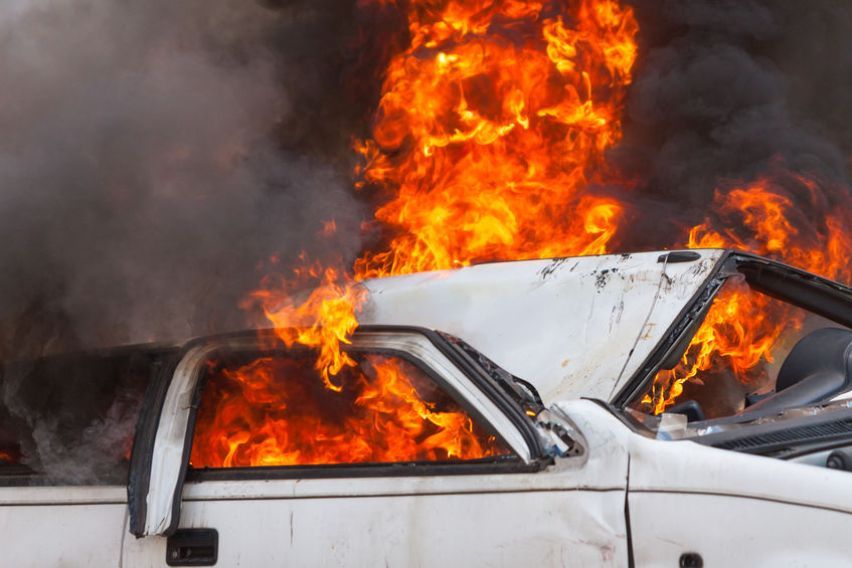
Apart from the onset of summer, March is also the National Fire Prevention Month for the Philippines. The aforementioned was declared via Proclamation No. 115-A way back in 1966, and has since been spearheaded by the Bureau of Fire Protection (BFP).
KEY TAKEAWAYS
What type of fire extinguisher is ideal for a car?
The ideal in-car fire extinguishers are small, portable extinguishers with dry-chemical (ABC-type) capabilities.What are examples of flammable liquids inside a car?
Some of the many flammable liquids used to operate a car include fuel, engine oil, automatic transmission fluid, brake fluid, and coolant.But while most fire prevention initiatives by the BFP concern structural fires, it is known that cars can catch fire too.
This comes as no surprise, since most cars on the road right now are internal combustion models that rely on a series of tiny explosions caused by introducing an electrical charge into fossil fuels to run.
In the same vein, even electrified vehicles that are equipped by high-voltage batteries can also see fires via “thermal runaway,” physical battery damage, water damage, or manufacturing defects.
So, how does one prevent car fires? Let’s find out via this short but handy guide based on guidelines published by the BFP.
Make sure nothing is leaking
One way to make sure your car won’t catch fire is to check for leaks. This applies not just to fuel but also to engine oil, automatic transmission fluid, and brake fluid. In some instances, some types of windshield washer fluid can also combust, as these may contain alcohol.
Coolant can also become flammable in some cases, where it is heated to extremely high temperatures. In this case, the water component has already evaporated, leaving ethylene glycol, which is highly combustible.
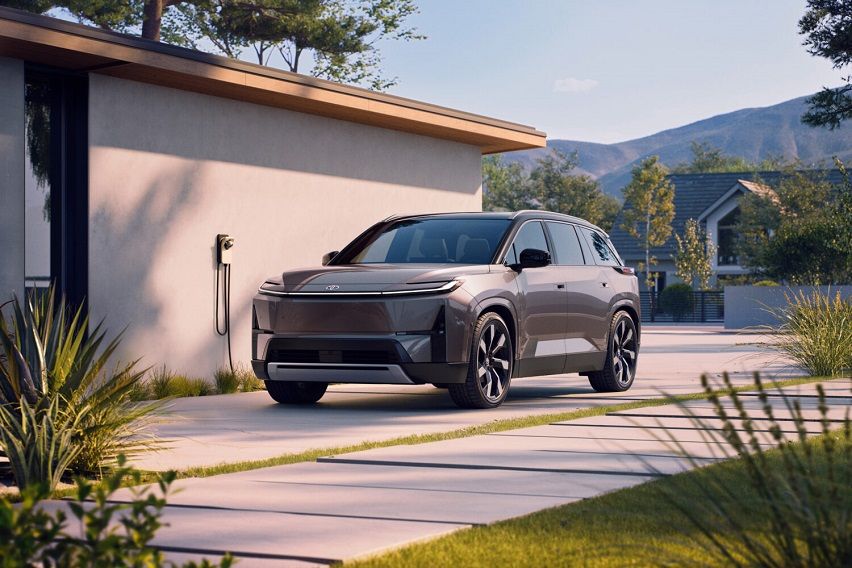 Photo from Toyota North America
To find out if one’s car is leaking, park it over a (relatively) clean surface overnight. In the morning, move the car and check for puddles or drips left by the car. Usually, engine oil ranges from brown to black. Transmission fluid is usually red or brown, while coolant is usually a bright color. Brake fluid can be yellow or dark orange.
Fuel, thankfully, is the easiest to detect due to its strong odor. This applies to both gasoline and diesel.
Once a leak is detected, we urge car owners to take their vehicle to a shop immediately. If you smell fuel while driving, stop immediately and turn off the engine. Do not drive the car again, and make sure to get it towed to a shop. And no, you can’t just put duct tape over a fuel tank leak. It must be removed from the vehicle, drained, and then welded or patched with epoxy-based repair kits, depending on the damage.
Clean your engine bay
Sometimes, however, leaks do not actually reach the floor surface and are instead collected within the car, typically in the engine bay. But to find out whether this is happening, one must have a clean engine bay.
A clean engine bay also prevents the collection of (potentially) flammable debris or liquids that have accumulated over the years.
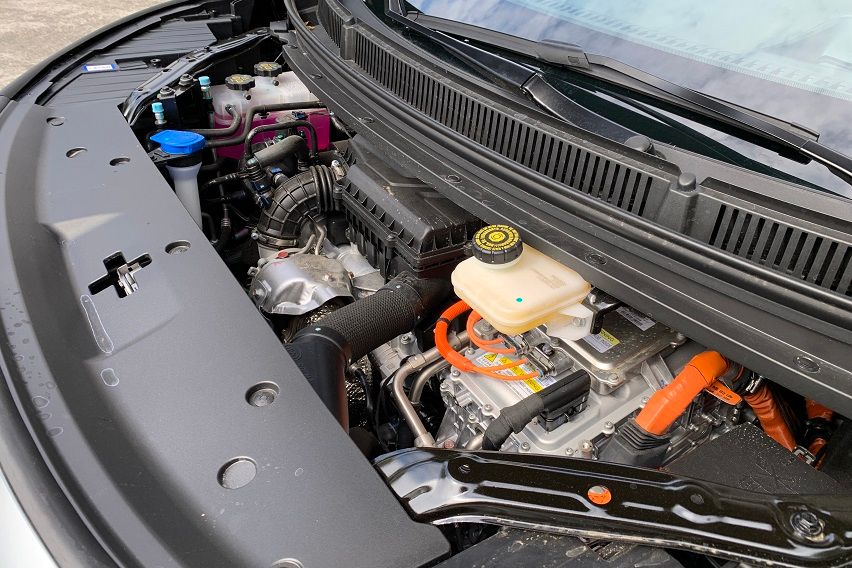 Photo by Juan Paulo Papa
Dried-out debris (organic matter or otherwise), after all, can ignite, especially if it comes into contact with hot engine surfaces. Making sure the engine bay is clean may also help prevent electrical shorts and improve heat dissipation in a car’s cooling system - two things that, if ignored, can also cause vehicular fires.
To properly clean your engine bay, sources like Gulf Oil International share the following:
- Wash your car if it has already had time to cool off
- Disconnect the car battery
- Cover sensitive electrical components
Some tools you’ll need for a thorough cleaning include soapy water, a variety of brushes, microfiber cloths, and a degreaser spray.
Do be aware that using a high-powered pressure washer on your engine bay as it may damage sensitive components.
Proper installation of modifications
A stock car with its standard electronic equipment will have a lower chance of catching fire than a modified car with aftermarket electronics. This is because a car’s standard array of electronic equipment (touchscreen, speakers, etc.) was incorporated into the design and engineering of a car.
Sure, a dashcam is fine as it uses minimal power, but powerful aftermarket speakers, larger touchscreen displays, and aftermarket LED exterior lighting fixtures might need some extra work to be properly installed. So, if you’re the type who really wants (or need) these modifications, you better approach a specialist.
In the same vein, one should regularly check for arcing inside the engine bay. Arcing is when high-voltage electricity escapes its normal pathways (wires) and out into the open. These can be easily detected when starting the car in the dark. If you see arcing, replace those wires immediately.
Also, one should check whether your car is properly grounded. For this, consult your owner's manual to locate your car's ground cable, and give it a visual inspection.
Avoid storing combustibles inside car
Apart from keeping your engine bay clean, car owners should also strive to keep their interiors clean. This means getting rid of accumulated trash (receipts, food wrappers) on a regular basis. Vacuuming can also do wonders too.
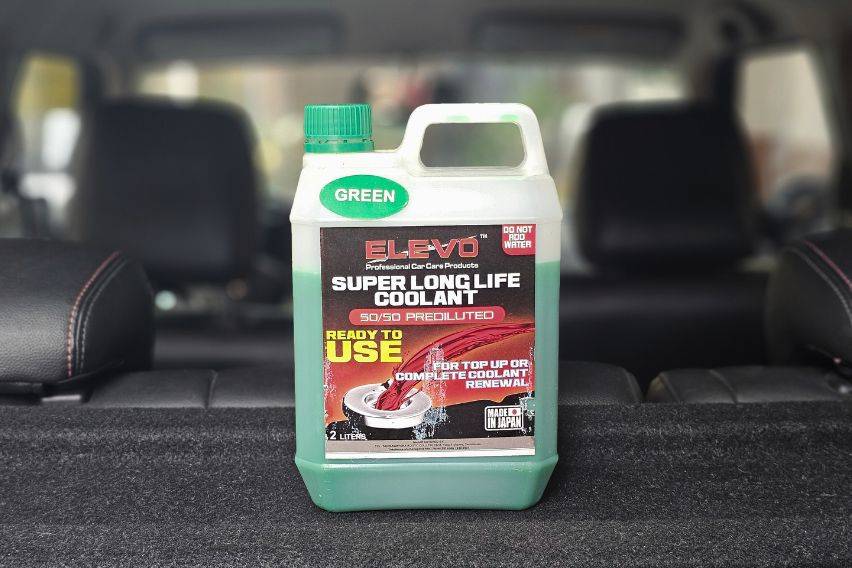 Photo by Cesar Guiderone Miguel
One should also avoid storing liquids inside the car if one can help it. This includes fuel, oil, car cleaning fluids, and brake fluid - among others.
It is also ideal to refrain from leaving glass or plastic bottles in the car, as they can magnify sunlight, especially if filled with liquid. And yes, even if these won’t burn your car to a crisp outright, it might cause damage on your plastic interior components.
A good must-have: a fire extinguisher
The last tip is to store a fire extinguisher inside your car. No, we are not talking about those large ones for buildings, but rather specialized ones designed for cars. These come in compact bottles with formulations (usually ABC Dry Powder) that can put out fires caused by flammable liquids and electrical fires.
Final thoughts
To note, all of the tips mentioned above apply to both fossil fuel cars and electric vehicles (EV). Do be aware, however, that EV fires behave differently in that batteries, with their high capacity storage, can sometimes reignite.
But with all that said, here are some handy tips to help prevent vehicle fires.
Also read:
How to prepare your car for summer
Here are ways to avoid road rage
How to prepare your motorcycles for the rainy season
Connect with us through our various social media pages:
Facebook: https://www.facebook.com/ZigWheelsPhilippines
Instagram: https://www.instagram.com/zigwheelsph/

Sell your car at the best price
 Verified and genuine buyers
 Free listing
PIMS 2026


Trending & Fresh Updates
- Latest
- Popular
-

-
-
-
-
3 reasons to be excited about the Xpeng X9Cesar Miguel, Sep 16, 2026
-
-
-
First drive: Kia Sportage Turbo HybridCesar Miguel, Aug 18, 2026
-
First impressions: Geely EX2Cesar Miguel, Jun 18, 2026
-
Tips on how to prevent vehicle firesCesar Miguel, Mar 17, 2026
-
How to prepare your car for summerCesar Miguel, Mar 11, 2026
-





-
-
-
-
-
BYD Atto 2 EV vs. the competitionCesar Miguel, Aug 25, 2026
-
EV crossover duel: MG S5 EV vs. GAC Aion VCesar Miguel, Aug 28, 2026
-
First drive: Kia Sportage Turbo HybridCesar Miguel, Aug 18, 2026
-
First impressions: Geely EX2Cesar Miguel, Jun 18, 2026
-
-
How to prepare your car for summerCesar Miguel, Mar 11, 2026
-
Tips on how to prevent vehicle firesCesar Miguel, Mar 17, 2026



You might also be interested in
- News
- Featured Stories










Featured Cars
- Latest
- Upcoming
- Popular
-
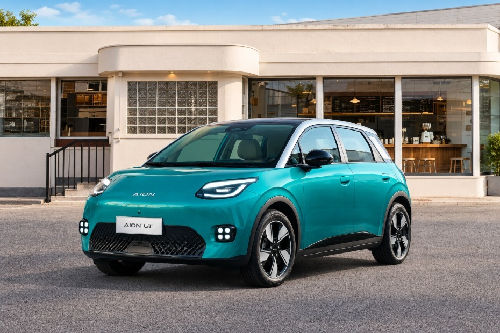
 GAC Aion UT₱1.068 Million SRP Price ManilaMonthly Payments : ₱18,322 x 60Write a Review Get Exclusive Promos
 -
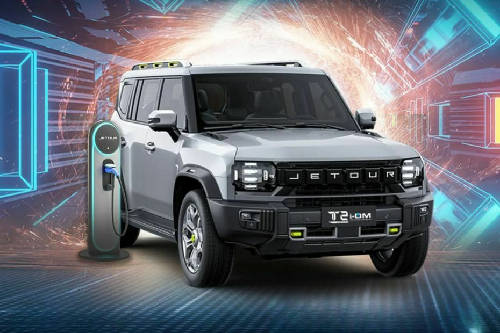
Jetour T2 Lightning i-DM₱2.488 - 2.688 Million SRP Price ManilaMonthly Payments : ₱42,682 x 604 (2 Reviews) Get Exclusive Promos
-
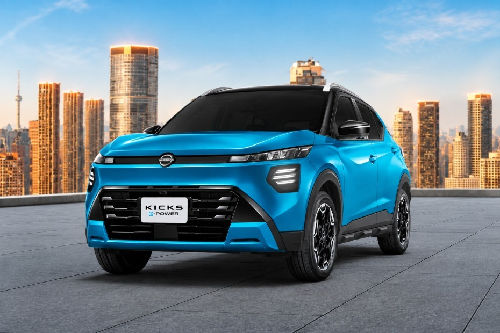
Nissan Kicks e-POWER₱1.499 - 1.749 Million SRP Price ManilaMonthly Payments : ₱25,716 x 604.19 (21 Reviews) Get Exclusive Promos
-
MG S5 EV₱1.399 Million SRP Price ManilaMonthly Payments : ₱23,998 x 60Write a Review Get Exclusive Promos
-
Foton Transvan₱1.29 - 1.4 Million SRP Price ManilaMonthly Payments : ₱22,130 x 604.21 (14 Reviews) Get Exclusive Promos

-
MINI 5 Door₱3.799 Million SRP Price ManilaMonthly Payments : ₱65,173 x 604.56 (18 Reviews) Get Exclusive Promos
-
MINI 3 Door₱3.28 - 4.499 Million SRP Price ManilaMonthly Payments : ₱56,270 x 604.53 (19 Reviews) Get Exclusive Promos
-
-
Toyota Vios₱738,000 - 908,000 SRP Price ManilaMonthly Payments : ₱12,660 x 604.28 (107 Reviews) Get Exclusive Promos
-
Kia Sonet₱778,000 - 1.218 Million SRP Price ManilaMonthly Payments : ₱13,346 x 604.36 (14 Reviews) Get Exclusive Promos



Latest Car Videos on Zigwheels

-
2026 Isuzu D-Max First Look | Zigwheels.Ph14 Sep, 2026 .
-
2026 Denza D9 Review | Zigwheels.Ph14 Sep, 2026 .
-
GWM Cannon SLUX 4x4 Walkaround | Zigwheels.Ph02 Sep, 2026 .
-
2026 Radar RD6 ECON EV Pickup Review | Zigwheels.Ph02 Sep, 2026 .
-
2026 BYD eMAX 7 Review | Zigwheels.Ph25 Aug, 2026 .
-
Electric or Diesel? BAIC B60e Beaumont rEV vs. B40 Pro Trailmaster Comparo | Zigwheels.Ph25 Aug, 2026 .
-
Our Best Small EV (So Far!) | Z-List Monthly Wrap | July 202614 Aug, 2026 .
-
2026 Mazda BT-50 Pangolin Review | Zigwheels.Ph14 Aug, 2026 .
-
The New BYD Seal 5 DM-i – Going Farther for Less! | First Look | Zigwheels.Ph04 Aug, 2026 .
-
The All-New BYD Atto 2 (EV & DM-i) – Electrified 2 Ways! | First Look | Zigwheels.Ph04 Aug, 2026 .


Car Articles From Carmudi
- journal
- advice
- financing
- insurance
-
PH-spec Ford Everest, Ranger get major revamp, Sep 04, 2026
-
Nissan Navara PHEV, Primera EV PH launch set on NovemberRuben Manahan IV, Sep 03, 2026
-
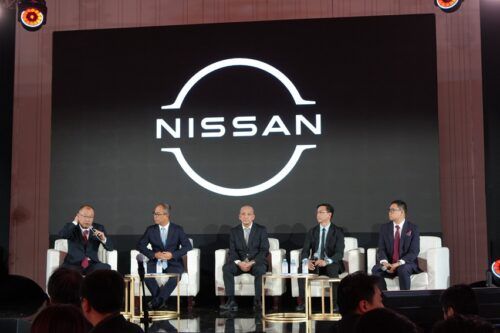
New Nissan Kicks e-POWER enters PH with P1.499K starting pricePaulo Papa, Aug 28, 2026
-
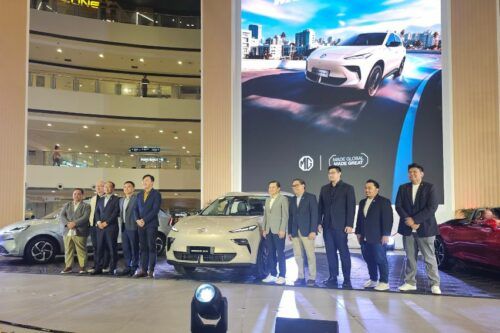
MG S5 EV makes PH debutPaulo Papa, Aug 27, 2026
-
CAMPI-TMA July 2026 YTD sales down by 10%, Aug 26, 2026


-
Register & get OR/CR for your imported car the right wayCarmudi PH, Apr 16, 2025
-
How to handle a checkpoint: The right and wrong movesCarmudi PH, Apr 14, 2025
-
Don’t risk it: Here’s how to confirm driver’s license validityCarmudi PH, Apr 08, 2025
-
Your complete guide to a Non-Professional Driver’s LicenseCarmudi PH, Apr 04, 2025
-
Fixing errors or updating info? How to revise your driver’s licenseCarmudi PH, Apr 02, 2025


-
First time buying a car? Here’s what to know about loansCarmudi PH, Apr 10, 2025
-
Fast-track your car loan payoff with these hacksCarmudi PH, Apr 06, 2025
-
Pasalo Car Financing: How it works & what to watch out forCarmudi PH, Apr 03, 2025
-
Car loan issues? Here’s how to resolve disputes in the PhilippinesCarmudi PH, Mar 22, 2025
-
Need better auto loan terms? Here’s how to refinanceCarmudi PH, Mar 21, 2025


-
How hidden facts and fake claims can ruin your insurance protectionCarmudi PH, Jun 10, 2026
-
Is your car ready for the next big downpour? The insurance traps most drivers missCarmudi PH, Jun 08, 2026
-
What to do if your car insurance claim is denied for premium non-paymentCarmudi PH, Jun 05, 2026
-
Buy these car accessories once & reap the benefits every renewalCarmudi PH, Jun 03, 2026
-
Top reasons Filipino drivers file Acts of Nature claimsCarmudi PH, Jun 01, 2026