How to drive an automatic car
Transmission in cars is defined as the machine within the power transmission system that provides the controlled application of power. Its main job is to make sure that the right amount of power is distributed to your wheels in order to drive at the given speed. The transmission simply refers to a gearbox in your car that utilizes gears and gear trains to produce power and torque conversions from a rotating power source to another device.
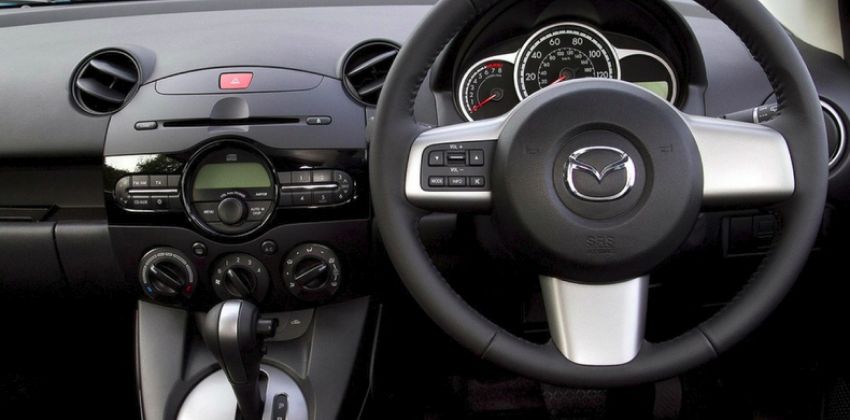
Gears and shafts are the two major and most vital components of the transmission. The shaft is responsible for taking the energy to the engine in order to help the car move and the gear determines the range of speed that you can reach.
There are two most common types of car transmissions that are available right now, the manual and automatic. And for this article, we will go through the things that you need to know about driving an automatic transmission car.
Automatic transmission cars have gained popularity over the past decades. Aside from the fact that it is easier to manage and very applicable for longer trips, there are a lot of perks that can make your driving much more efficient and less stressful.
Going back to the history of cars, the first automatic transmission was invented in 1921 by a Canadian engineer named Alfred Horner Munro. However, because of its lack of power, it did not succeed commercially as it uses compressed air rather than hydraulic fluid.
It was only in 1939 when the first automatic transmission in a production car was introduced. It is the General Motors’ Hydra-Matic developed by General Motors’ engineer Earl Thompson and was used for the first model of Oldsmobile in 1948. The first true transmission has gone through several revamps and refinements and its basic design and theory were noticed for its remarkable longevity which lasted until 1955. In 1956, the Hydra-Matic was replaced by the newly invented Jetaway or “The Jet” but it did not succeed so it was replaced by the Turbo Hydra-Matic in 1969.
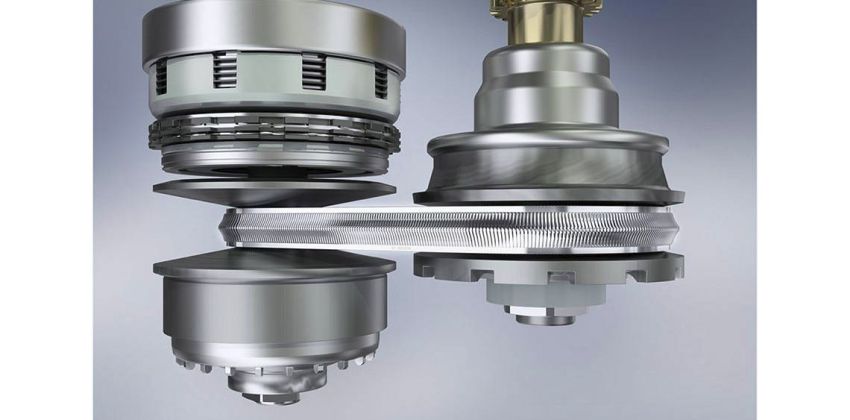
From then on, more automobile companies have developed their own automatic transmissions with their own unique features and modernize specifications. Some of the most significant changes and improvements in automatic transmission designs up to date are the number of forward gears transmissions now have. Moreover, operations of modern transmissions are now controlled electronically rather than mechanically.
Most people who are new to driving, starts with an automatic car, although it is also great to start driving a manual transmission car. But those who want to learn driving faster in less time, often opt for driving the automatic one.
Manual vs. Automatic Transmission Cars
For someone who is used to drive a manual car, will be surprised with the many differences in driving an automatic car. One major difference between driving a manual and automatic car is the system or method the car uses in order to shift gears. Manual transmission cars have clutch and you are responsible for manually shifting gears by pressing it and the gas pedal. Meanwhile, in the automatic setup of car transmission, the car decides when you shift and automatically changes the gear for you.
The manual car actually requires you to do more work when the vehicle is in actual motion. Since you have full control over the shifting of gears manually, attentiveness and due diligence must be taken when driving. Hence, driving a manual car on long trips can be really quite tiresome and stressful. Whilst manual driving needs so much effort, driving an automatic car is different. Apart from not shifting the gears manually, you will only care about operating with two pedals.
Advantages of driving automatic an automatic car
Believe it or not, driving with only two pedals can pose a lot of advantages. With this kind of setup, it is almost impossible for your engine to stop running, unlike in manual when you lost control of the clutch. This is very much reliable especially if you are traveling on roads with stop-and-go traffic, like here in the main urban highways of Manila.
Here are some advantages of driving an automatic car:
- It can be less distracting as you can focus more on the road, pedestrians, your mirrors, and the cars around you since you don’t have to worry about shifting gears manually.
- Just like what we have mentioned above, driving an automatic car can be practical if you are stuck in a stop and go traffic while driving a manual can induce fatigue.
- Inclined and winding roads as well as steep hills are a piece of cake for automatic transmission cars.
Furthermore, a lot of automatic transmission cars right now offer better features in terms of safety, security, entertainment, and even comfort. Some automatic cars have own cruise control options and driver-assist functions that can help you have a smoother and hassle-free drive.
Different gear options in an automatic car
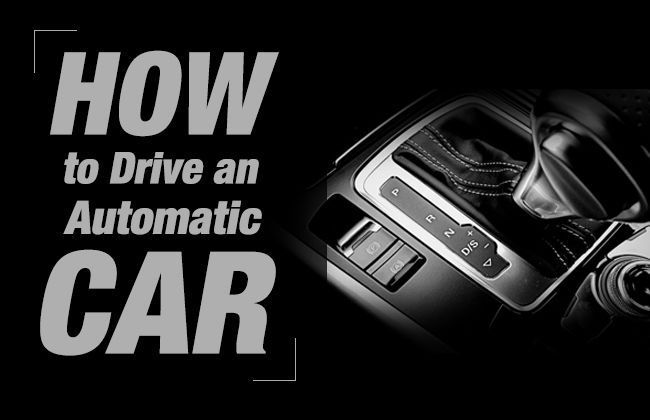
Before we start on the step by step guide on driving an automatic car, it will be better if you will familiarize yourself with the gear stick of your car. Although an automatic car will not require you to use it often, just like how manual cars work, it is still valuable for you to know what it means and what it does:
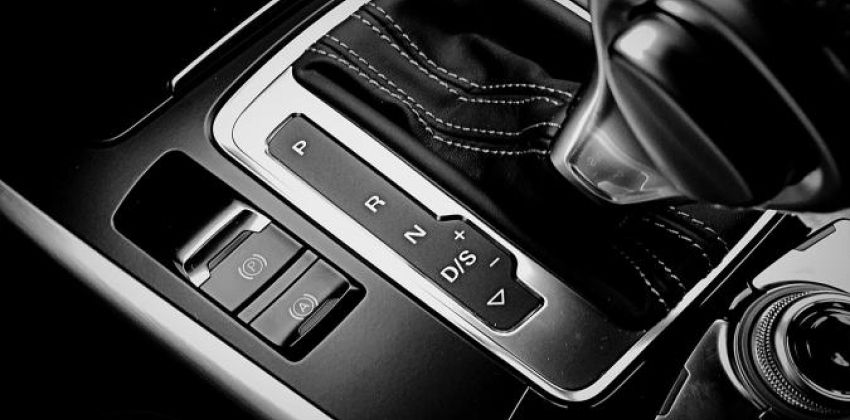
- P or Park - This is used when your car is at stop and you’re getting out of the car. The Park gear option locks your transmission and preventing it from rolling away. So, you always have to make sure that you are in Park mode before starting the engine of your car and also before you turn your engine off. In addition, always keep in mind to apply the handbrake when your car is parked.
- R or Reverse - Just like what it literally means, this gear option is the precise equivalent of the one in a manual transmission car. This should be selected when you would want to drive backward especially when parking or backing.
- N or Neutral - Same with knocking a manual gearbox out of gear, the neutral is not the gear that you would select when moving or coasting. But, it can still be used along with the handbrake if you’re only going to stop for a short period of time.
- D or Drive - Definitely, this is the gear option to move your car forward. In case your car is moving fast enough, it will automatically switch to the second, third gear and so on.
For some automatic transmission cars, you can see a different setting whereas the following are indicated instead of P, N, R, and D:
- 1: Stay in first gear (this is good for steeps and hills)
- 2: Stay in second gear (this is also good for steeps and hills)
- L: Stay in low gear (just like 1 or 2)
- S: Sport (for better acceleration)
A step by step guide of driving an automatic car
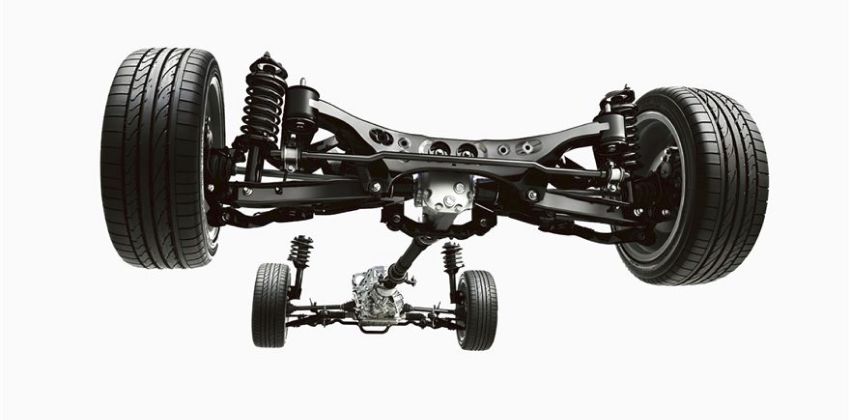
Now that you know the basics of an automatic transmission car and even the advantages of driving it, you can now learn the basics of how to operate it. To help you out here is a quick and simple guide for driving automatic cars:
- Prepare for driving. Aside from using a key or a clicker, some automatic cars right now have keyless entry. Upon entering, adjust the things that you would need to have a stress-free drive, most especially your seat to make sure that you are in just the right position where you can easily reach all the controls and see well on windows. You can also adjust your mirrors so you will be guided properly. Some cars right now have power-adjustable mirrors that can be done automatically.
- Familiarize yourself with the controls. As the driver, you have to be very knowledgeable about the car you are driving. If you have personally bought the car, you would probably be able to locate the things properly and also familiarize yourself with the console, location of gearsticks, and adjustment controls for the audio, air conditioning, and safety features. Since you are not driving a manual car, you have to know very well, as mentioned above, that there are only two pedals - brake and accelerator. It is advised that you only use one foot to shift between the two pedals as it may a little bit confusing when an unexpected instance comes and you will not know which of your foot is for the stopping and accelerating.
- Safety first. Always make sure that you and your passengers have fastened your seat belts. After all, seat belts were not placed there for nothing, it is the most important and most common safety feature among vehicles.
- Get into driving. Take note of these very simple instructions:
- Start the car by inserting the key while pushing down the brake pedal. Turn the key clockwise to start the engine.
- While keeping your foot on the brake pedal, shift the gear stick to D or Drive. For some cars, the shift lever is on the steering column so you just have to pull it towards you before moving it down to select a gear. On the other hand, if the shift lever is on the floor, a side button should be pressed to unlock it then it can be moved along its track into position.
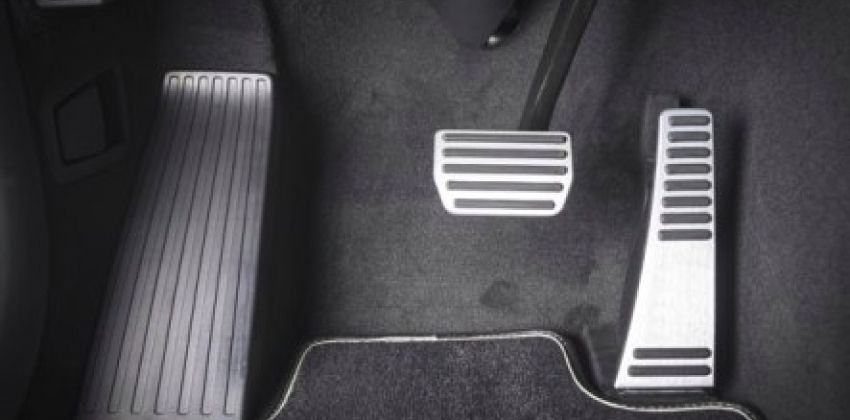
- Turn the air conditioning system and make sure that all the doors are locked. When driving at night, you also have to turn your headlights on and also test if your warning lights are doing well.
- Before moving forward, you have to release the parking brake. For some setup, it can be a lever between the two front seats or a pedal on the far left side of the foot area. A release lever might be present above the lower parking brake or a button that you should push first in order to release it.
- Look around the car’s surroundings and locate possible blunders. Also look out for blind spots, pedestrians alongside, or other cars behind you.
- After clearing the vicinity, you have to slightly lessen the pressure on the brake pedal and your car can start to move slowly.
- Gently switch your foot to the gas pedal so the car can move faster.
- While in the D or Drive gear option, turn the steering wheel to the left to move the car to the left and right to turn the car to the right.
- If you would need to move backward, ensure the car is at a complete stop then slide the gear stick to R or Reverse. Always check your surroundings if there are obstructions to avoid any untoward accidents. Once clear, switch your foot from the brake pedal to the accelerator. Control your car movement direction through your steering wheel.
- The N or Neutral option should only be used when you don’t need to control the speed of your car just like when you have to stop for a while like in a drive-through or if you are being pushed or towed.
- Move your right foot away from the accelerator and press the brake pedal with a gradual pressure when you need to stop. To move again, press back the accelerator.
- Upon reaching your destination, always make sure to completely stop the car by applying minimal to maximum pressure to the brake pedal, then, shift the gear to the P or Park option.
- Turn the key counter-clockwise to stop the engine, turn off the aircon, audio, and your headlights, then, apply the parking brake again before you alight the car.
Driving an automatic car can be really easier than driving manually. Apart from the features it offers, it can also provide a smoother, more relaxing, and less hassle driving. After all, it's based on your own preference on how you can make your driving fun, put on some good music or have a chit chat with your passengers, your call and so on. But most of all, do not forget your driving license and always keep in mind, whether you are driving a manual or automatic car, ALWAYS DRIVE SAFELY!
Also read: 10 Easy DIY Car Modifications

Purva Jain


Purva is a crazy admirer of cars and she has got a lot of expertise in their detailing. Though, she has mastered in Economics but cars have always been her field of interest. She is an introvert in talking but when it comes to cars and the latest news regarding them she talks like hell. Exploring new cars as well as the vintage machines is listed in her hobbies while getting to know about the history behind the same are the things which she enjoys the most. She may seem silent from the outside but inside her is a volcano erupting to engulf the mean machines.
Read Full BioSell your car at the best price
 Verified and genuine buyers
 Free listing
PIMS 2026


Trending & Fresh Updates
- Latest
- Popular
-

-
-
-
-
3 reasons to be excited about the iCAUR V27Cesar Miguel, Sep 25, 2026
-
3 reasons to consider the GAC E8 HEVCesar Miguel, Sep 21, 2026
-
-
First drive: Kia Sportage Turbo HybridCesar Miguel, Aug 18, 2026
-
First impressions: Geely EX2Cesar Miguel, Jun 18, 2026
-
Weighing down on car parkingPaulo Papa, Sep 24, 2026
-
Tips on how to prevent vehicle firesCesar Miguel, Mar 17, 2026
-
How to prepare your car for summerCesar Miguel, Mar 11, 2026





-
-
-
HEVs now included in PH TNVS allocationRuben Manahan IV, Sep 30, 2026
-
Here’s why this family only buys ToyotasCesar Miguel, Sep 17, 2026
-
-
BYD Atto 2 EV vs. the competitionCesar Miguel, Aug 25, 2026
-
First drive: Kia Sportage Turbo HybridCesar Miguel, Aug 18, 2026
-
-
How to prepare your car for summerCesar Miguel, Mar 11, 2026
-
Tips on how to prevent vehicle firesCesar Miguel, Mar 17, 2026
-
Weighing down on car parkingPaulo Papa, Sep 24, 2026


You might also be interested in
- News
- Featured Stories



-
-
-
Why is a child car seat important?Hazel Nicole Carreon, Feb 02, 2021
-
-
Top driving destinations after the ECQPrim Lamaroza, Apr 13, 2020
-



Featured Cars
- Latest
- Upcoming
- Popular
-
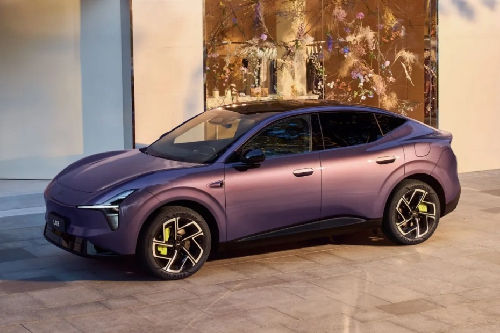
 Xpeng L03₱1.548 - 2.058 Million SRP Price ManilaMonthly Payments : ₱26,556 x 60Write a Review Get Exclusive Promos
 -
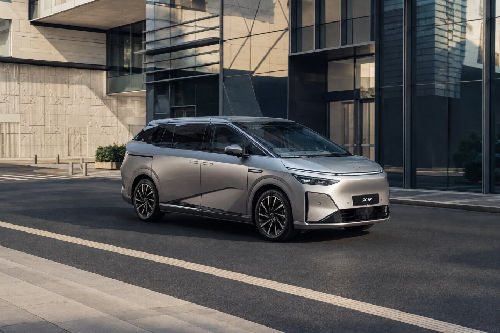
Xpeng X9₱3.858 - 4.058 Million SRP Price ManilaMonthly Payments : ₱66,185 x 60Write a Review Get Exclusive Promos
-
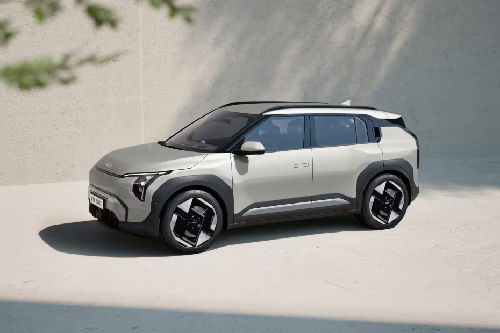
Kia EV3₱1.898 Million SRP Price ManilaMonthly Payments : ₱32,561 x 60Write a Review Get Exclusive Promos
-
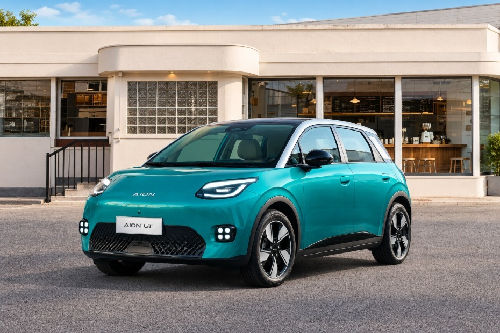
GAC Aion UT₱1.068 Million SRP Price ManilaMonthly Payments : ₱18,322 x 60Write a Review Get Exclusive Promos
-
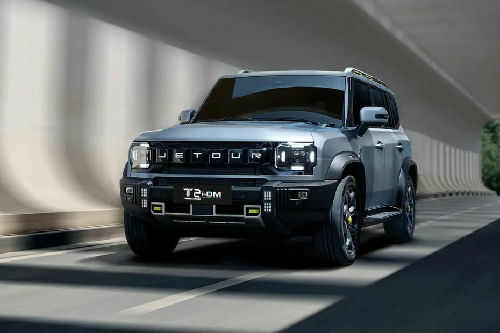
Jetour T2 Lightning i-DM₱2.488 - 2.688 Million SRP Price ManilaMonthly Payments : ₱42,682 x 604 (2 Reviews) Get Exclusive Promos
-
MINI 5 Door₱3.799 Million SRP Price ManilaMonthly Payments : ₱65,173 x 604.56 (18 Reviews) Get Exclusive Promos
-
MINI 3 Door₱3.28 - 4.499 Million SRP Price ManilaMonthly Payments : ₱56,270 x 604.53 (19 Reviews) Get Exclusive Promos
-
-
Toyota Vios₱738,000 - 908,000 SRP Price ManilaMonthly Payments : ₱12,660 x 604.28 (107 Reviews) Get Exclusive Promos
-
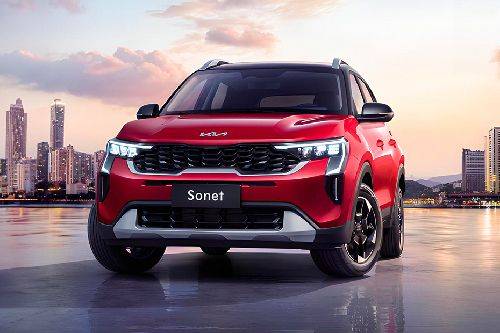
Kia Sonet₱778,000 - 1.218 Million SRP Price ManilaMonthly Payments : ₱13,346 x 604.36 (14 Reviews) Get Exclusive Promos
Latest Car Videos on Zigwheels

-
2026 Denza B8 Walkaround | Zigwheels.Ph30 Sep, 2026 .
-
2026 Kia Sportage SX Review | Zigwheels.Ph30 Sep, 2026 .
-
2026 Isuzu D-Max First Look | Zigwheels.Ph14 Sep, 2026 .
-
2026 Denza D9 Review | Zigwheels.Ph14 Sep, 2026 .
-
GWM Cannon SLUX 4x4 Walkaround | Zigwheels.Ph02 Sep, 2026 .
-
2026 Radar RD6 ECON EV Pickup Review | Zigwheels.Ph02 Sep, 2026 .
-
2026 BYD eMAX 7 Review | Zigwheels.Ph25 Aug, 2026 .
-
Electric or Diesel? BAIC B60e Beaumont rEV vs. B40 Pro Trailmaster Comparo | Zigwheels.Ph25 Aug, 2026 .
-
Our Best Small EV (So Far!) | Z-List Monthly Wrap | July 202614 Aug, 2026 .
-
2026 Mazda BT-50 Pangolin Review | Zigwheels.Ph14 Aug, 2026 .
Car Articles From Carmudi
- journal
- advice
- financing
- insurance
-
PH auto industry YTD sales exceed 300K vehicles in Aug. 2026Ruben Manahan IV, Sep 29, 2026
-
Xpeng officially enters PH market; unveils X9, L03, Sep 25, 2026
-
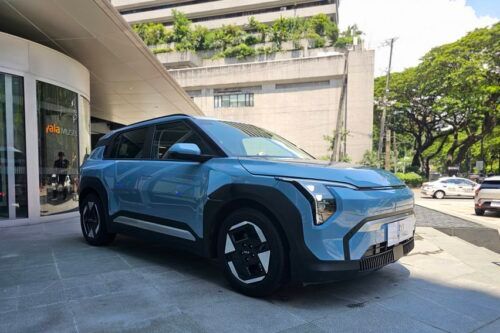
Kia PH widens BEV stable with all-new EV3Ruben Manahan IV, Sep 21, 2026
-
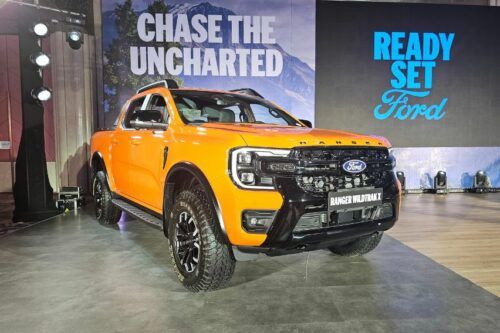
PH-spec Ford Everest, Ranger get major revamp, Sep 04, 2026
-
Nissan Navara PHEV, Primera EV PH launch set on NovemberRuben Manahan IV, Sep 03, 2026

-
Register & get OR/CR for your imported car the right wayCarmudi PH, Apr 16, 2025
-
How to handle a checkpoint: The right and wrong movesCarmudi PH, Apr 14, 2025
-
Don’t risk it: Here’s how to confirm driver’s license validityCarmudi PH, Apr 08, 2025
-
Your complete guide to a Non-Professional Driver’s LicenseCarmudi PH, Apr 04, 2025
-
Fixing errors or updating info? How to revise your driver’s licenseCarmudi PH, Apr 02, 2025

-
How to Compare Car Refinancing Offers in the PhilippinesCarmudi PH, Sep 29, 2026
-
Pwede ba mag-apply ng Sangla OR/CR kung di pa tapos bayaran ang car loan?Carmudi PH, Sep 24, 2026
-
Sangla OR/CR Car Requirements in the Philippines: Complete ChecklistCarmudi PH, Sep 21, 2026
-
First time buying a car? Here’s what to know about loansCarmudi PH, Apr 10, 2025
-
Fast-track your car loan payoff with these hacksCarmudi PH, Apr 06, 2025
-
How hidden facts and fake claims can ruin your insurance protectionCarmudi PH, Jun 10, 2026
-
Is your car ready for the next big downpour? The insurance traps most drivers missCarmudi PH, Jun 08, 2026
-
What to do if your car insurance claim is denied for premium non-paymentCarmudi PH, Jun 05, 2026
-
Buy these car accessories once & reap the benefits every renewalCarmudi PH, Jun 03, 2026
-
Top reasons Filipino drivers file Acts of Nature claimsCarmudi PH, Jun 01, 2026