Should you 'break in' a new car? Why?
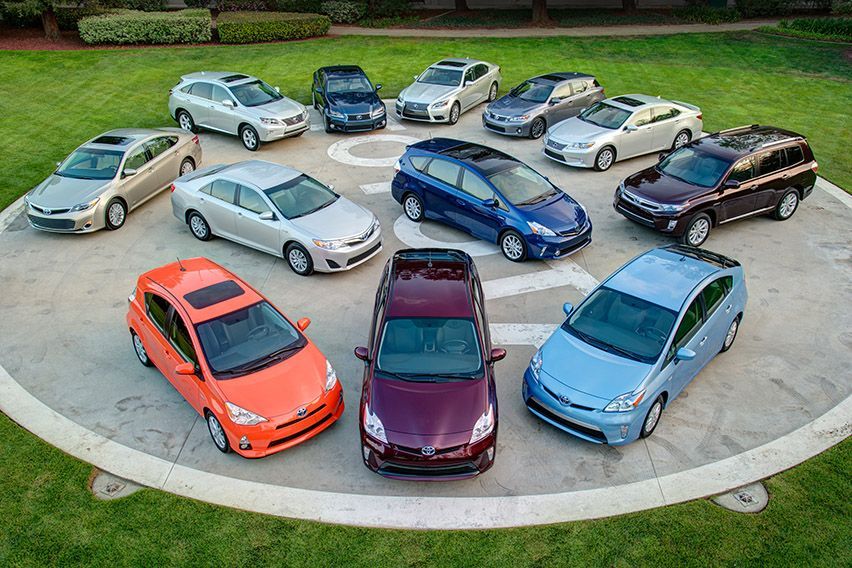
Whether you’re getting your brand-new car straight from the dealership or having it delivered, the urge to jump in the driver’s seat and go pedal to the metal is tough to resist. Here’s why you should.
Brand-new engines, whether they come with an all-new body or not, needs what is called a "break-in" period, and yes, no amount of technology — even sports cars and F1 tech — has allowed automakers to skip this phase.
There will be a few speed junkies out there and even the occasional mechanic from that talyer in the corner who’ll tell you to go leapfrog over this time-tested method and just gun it but, at best, can only present anecdotal info as to why.
Even the internet, the ultimate repository of fact and fiction, couldn’t spout a single link that can suggest why skipping an engine break-in is a great idea. Why? Because it’s just a dumb thing to do versus the very simple act of a breaking in an engine.
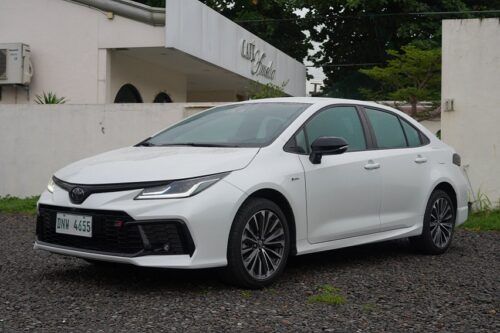
If you don’t believe me and think that the break-in process involves minding too many things, well check out this very simple set of instructions from the Owner’s Manual of a Toyota Corolla Altis Hybrid:
“Breaking in your new Toyota Corolla Altis Hybrid
To extend the life of the vehicle, observing the following precautions is recommended:
- For the first 186 miles (300 kms): Avoid sudden stops.
- For the first 621 miles (1,000 kms): Do not drive at extremely high speeds.
- Avoid sudden acceleration.
- Do not drive at a constant speed for extended periods.”
And it’s not that different from break-in tips by other manufacturers as well. Suzuki recommends no hard stopping in a Grand Vitara during the first 320 kilometers, and to drive at moderate engine speeds for the first 960 kilometers, while Ford discourages driving too fast in a brand-new Mustang (good luck with that), which means don’t labor the engine and to vary the speed through all the gears for the first 1,600 kilometers.
As you can see, there is really no hard and fast, singular rule. But if there’s one that you should follow to the letter, it ought to be the one in the owner’s manual.
Going too hard, too fast, and hitting north of 3,000rpm in a brand-new vehicle creates too much heat and friction which won’t be good for the piston rings and cylinder. Read on as I tell you why.
What you may not feel when you drive your car for the first time and will look unimportant on the outside is a series of minute but vital changes happening under the hood that determine the future durability and efficiency your vehicle.
Simplified by the term "break-in" is what engineers refer to as "controlled bedding."
In a brand-new vehicle, the hone pattern of the cylinder walls is still abrasive and that is used to file down the piston rings in order for the two to make a perfect seal. This can only be done while the crosshatch is still rough and there’s only a very limited amount of time to do that the right way. After the hone pattern has smoothened out, no amount of proper driving can continue to abrade the rings to correctly seat it in the cylinder.
Why is "controlled bedding," "seating," or wearing the ring accurately into the cylinder important? If the right crosshatch pattern isn’t achieved, it could result in low power production, cause the engine to leak oil, or worse, lead to a blow-by.
As important as not pushing too hard (by following the break-in instructions in the owner’s manual) is not babying it, either. According to engineers, you shouldn’t let the engine idle for long periods, especially in hot climates. Without any load on the rings and under intense heat, the hone patterns will fade without grinding against the rings.
When it comes to oil, there are conflicting opinions. Some say that synthetic oils — as great as they are with the additives that make them cleaner and last longer — are too greasy, which will prevent the rings and cylinder wall to grind to a perfect fit. The recommendation is to use mineral car oil instead as it won’t be too slick to disrupt the abrading process.
My opinion is, with all the R&D money these automakers use to develop their vehicles, I’m sure someone took the time out to check whether synthetic oil is good or not for an engine that’s being broken in. Whatever is in your car when you buy it is good enough for the break in.
If instructions like “Do not drive at extremely high speeds” and “Do not drive at a constant speed for extended periods” are too vague, here are driver-friendlier versions.
- Keep the tachometer (that’s the one that says rpm [revolutions per minute> and has a redline starting at around 6,500rpm) needle under the redline.
- Don’t go pedal to the metal. Better yet, keep throttle/accelerator input at 50% maximum.
- If you’re using a manual transmission, shift before the tach needle hits 3,000rpm.
- Avoid cruise control so that the engine can go through different loads and rpm.
- If you bought a pickup truck, don’t tow anything because it puts too much load on the engine during break-in.
Another benefit of breaking in the engine that actually isn’t powertrain related is the performance of the brakes and tires. As both are also still new, their surfaces are still smooth and have yet to develop optimum grip, which is why hard braking is highly discouraged.
So there it is. A few hundred kilometers of control for hundreds of thousands of klicks of durability, reliability, and, most of all, fun!
And the steps are so easy-peasy, for as long as you’re an educated and responsible driver who knows these basic auto terms because you acquired your license through legitimate channels, you’re good to go.
Now that you know the why, remember to break in so you don’t break it. In other words, check yourself before your wreck your car — that’s the best way I can put it.

Sell your car at the best price
 Verified and genuine buyers
 Free listing
PIMS 2026


Trending & Fresh Updates
- Latest
- Popular
-

-
-
-
3 reasons to be excited about the iCAUR V27Cesar Miguel, Sep 25, 2026
-
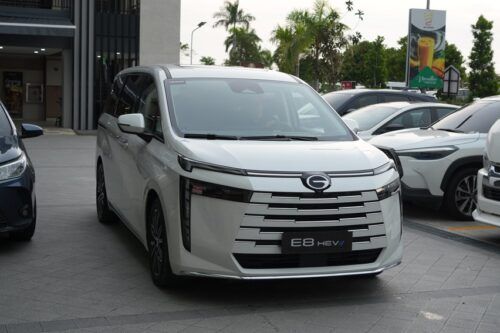
3 reasons to consider the GAC E8 HEVCesar Miguel, Sep 21, 2026
-
-
-
First drive: Kia Sportage Turbo HybridCesar Miguel, Aug 18, 2026
-
First impressions: Geely EX2Cesar Miguel, Jun 18, 2026
-
Weighing down on car parkingPaulo Papa, Sep 24, 2026
-
Tips on how to prevent vehicle firesCesar Miguel, Mar 17, 2026
-
How to prepare your car for summerCesar Miguel, Mar 11, 2026




-
-
-
Xpeng formally enters PH marketRuben Manahan IV, Sep 25, 2026
-
Here’s why this family only buys ToyotasCesar Miguel, Sep 17, 2026
-
-
BYD Atto 2 EV vs. the competitionCesar Miguel, Aug 25, 2026
-
First drive: Kia Sportage Turbo HybridCesar Miguel, Aug 18, 2026
-
-
How to prepare your car for summerCesar Miguel, Mar 11, 2026
-
Tips on how to prevent vehicle firesCesar Miguel, Mar 17, 2026
-
Weighing down on car parkingPaulo Papa, Sep 24, 2026





You might also be interested in
- News
- Featured Stories
-
-
-
-
-
-
Hyundai sells 4.141-M cars globally in 2024Cesar Miguel, Jan 07, 2025





-
3 reasons to be excited about the iCAUR V27Cesar Miguel, Sep 25, 2026
-
3 reasons to consider the GAC E8 HEVCesar Miguel, Sep 21, 2026
-
-
Here’s why this family only buys ToyotasCesar Miguel, Sep 17, 2026
-
3 reasons to be excited about the Xpeng X9Cesar Miguel, Sep 16, 2026
-
Featured Cars
- Latest
- Upcoming
- Popular
-
 Xpeng L03₱1.548 - 2.058 Million SRP Price ManilaMonthly Payments : ₱26,556 x 60Write a Review Get Exclusive Promos
 -
Xpeng X9₱3.858 - 4.058 Million SRP Price ManilaMonthly Payments : ₱66,185 x 60Write a Review Get Exclusive Promos
-
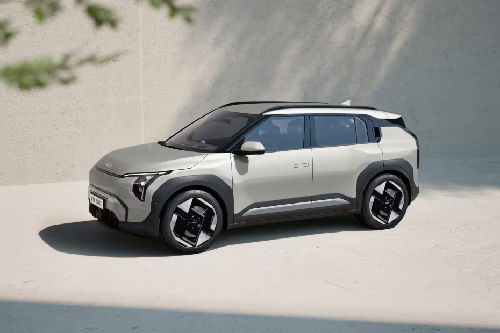
Kia EV3₱1.898 Million SRP Price ManilaMonthly Payments : ₱32,561 x 60Write a Review Get Exclusive Promos
-
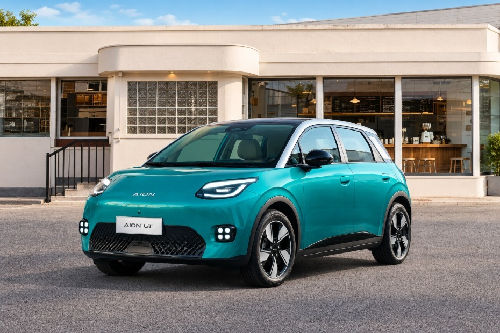
GAC Aion UT₱1.068 Million SRP Price ManilaMonthly Payments : ₱18,322 x 60Write a Review Get Exclusive Promos
-
Jetour T2 Lightning i-DM₱2.488 - 2.688 Million SRP Price ManilaMonthly Payments : ₱42,682 x 604 (2 Reviews) Get Exclusive Promos



-
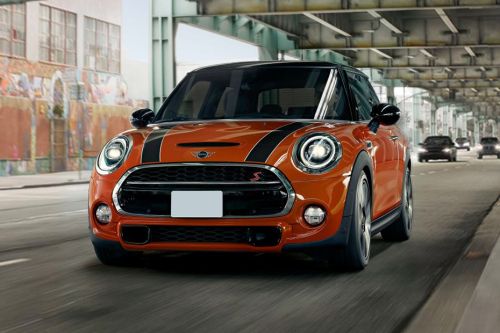
MINI 5 Door₱3.799 Million SRP Price ManilaMonthly Payments : ₱65,173 x 604.56 (18 Reviews) Get Exclusive Promos
-
MINI 3 Door₱3.28 - 4.499 Million SRP Price ManilaMonthly Payments : ₱56,270 x 604.53 (19 Reviews) Get Exclusive Promos
-
-
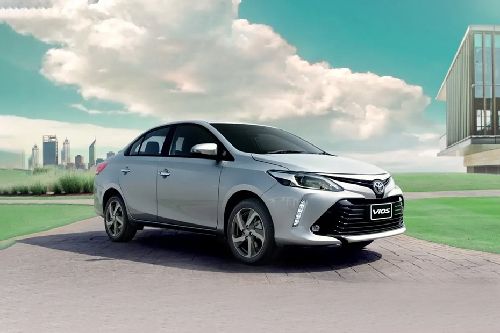
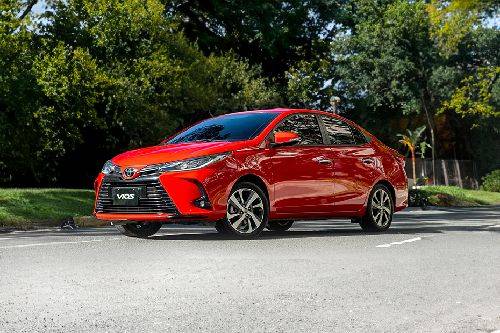
Toyota Vios₱738,000 - 908,000 SRP Price ManilaMonthly Payments : ₱12,660 x 604.28 (107 Reviews) Get Exclusive Promos
-
Kia Sonet₱778,000 - 1.218 Million SRP Price ManilaMonthly Payments : ₱13,346 x 604.36 (14 Reviews) Get Exclusive Promos



Latest Car Videos on Zigwheels

-
2026 Denza B8 Walkaround | Zigwheels.Ph30 Sep, 2026 .
-
2026 Kia Sportage SX Review | Zigwheels.Ph30 Sep, 2026 .
-
2026 Isuzu D-Max First Look | Zigwheels.Ph14 Sep, 2026 .
-
2026 Denza D9 Review | Zigwheels.Ph14 Sep, 2026 .
-
GWM Cannon SLUX 4x4 Walkaround | Zigwheels.Ph02 Sep, 2026 .
-
2026 Radar RD6 ECON EV Pickup Review | Zigwheels.Ph02 Sep, 2026 .
-
2026 BYD eMAX 7 Review | Zigwheels.Ph25 Aug, 2026 .
-
Electric or Diesel? BAIC B60e Beaumont rEV vs. B40 Pro Trailmaster Comparo | Zigwheels.Ph25 Aug, 2026 .
-
Our Best Small EV (So Far!) | Z-List Monthly Wrap | July 202614 Aug, 2026 .
-
2026 Mazda BT-50 Pangolin Review | Zigwheels.Ph14 Aug, 2026 .


Car Articles From Carmudi
- journal
- advice
- financing
- insurance
-
PH auto industry YTD sales exceed 300K vehicles in Aug. 2026Ruben Manahan IV, Sep 29, 2026
-
Xpeng officially enters PH market; unveils X9, L03, Sep 25, 2026
-
Kia PH widens BEV stable with all-new EV3Ruben Manahan IV, Sep 21, 2026
-
PH-spec Ford Everest, Ranger get major revamp, Sep 04, 2026
-
Nissan Navara PHEV, Primera EV PH launch set on NovemberRuben Manahan IV, Sep 03, 2026



-
Register & get OR/CR for your imported car the right wayCarmudi PH, Apr 16, 2025
-
How to handle a checkpoint: The right and wrong movesCarmudi PH, Apr 14, 2025
-
Don’t risk it: Here’s how to confirm driver’s license validityCarmudi PH, Apr 08, 2025
-
Your complete guide to a Non-Professional Driver’s LicenseCarmudi PH, Apr 04, 2025
-
Fixing errors or updating info? How to revise your driver’s licenseCarmudi PH, Apr 02, 2025



-
How to Compare Car Refinancing Offers in the PhilippinesCarmudi PH, Sep 29, 2026
-
Pwede ba mag-apply ng Sangla OR/CR kung di pa tapos bayaran ang car loan?Carmudi PH, Sep 24, 2026
-
Sangla OR/CR Car Requirements in the Philippines: Complete ChecklistCarmudi PH, Sep 21, 2026
-
First time buying a car? Here’s what to know about loansCarmudi PH, Apr 10, 2025
-
Fast-track your car loan payoff with these hacksCarmudi PH, Apr 06, 2025
-
How hidden facts and fake claims can ruin your insurance protectionCarmudi PH, Jun 10, 2026
-
Is your car ready for the next big downpour? The insurance traps most drivers missCarmudi PH, Jun 08, 2026
-
What to do if your car insurance claim is denied for premium non-paymentCarmudi PH, Jun 05, 2026
-
Buy these car accessories once & reap the benefits every renewalCarmudi PH, Jun 03, 2026
-
Top reasons Filipino drivers file Acts of Nature claimsCarmudi PH, Jun 01, 2026