Loving your car 101: how to check your vehicle’s fluids
Like your human loved ones, automobiles need regular check-ups
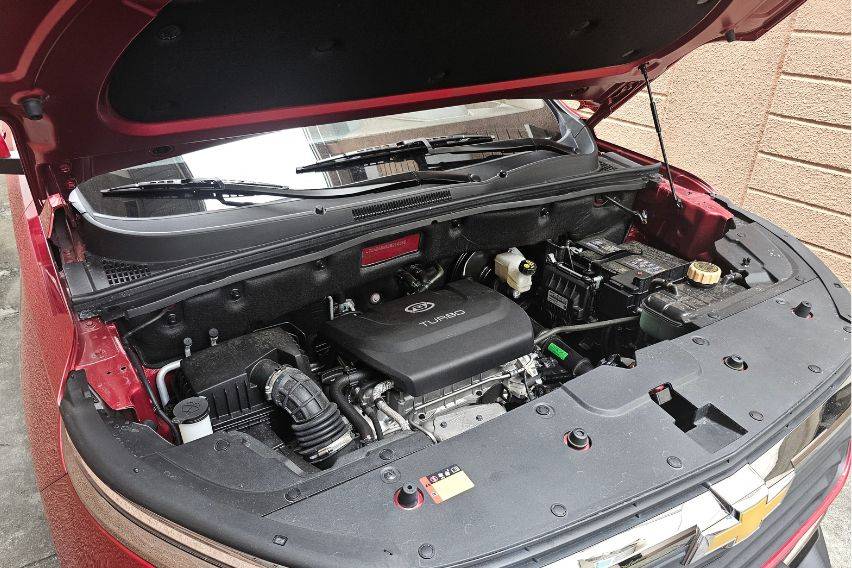
Very much like your flesh-and-blood loved ones, your car needs tender loving care and check-ups on the regular. Because if one cannot or does not address an automobile’s recurring needs, it will slowly become unreliable - like a partner, husband, or wife who will start developing health problems that they will initially keep secret from you.
KEY TAKEAWAYS
What fluids should a car owner regularly check to maintain their vehicle?
A car owner should regularly check the levels of their car’s oil, transmission fluid, coolant, brake fluid, wiper washer fluid, and power-steering fluid.What is the main ingredient of automotive coolant?
The main ingredient of automotive coolant is ethylene glycol.Specifically, we’re talking about a vehicle’s essential fluids. So, for this edition of Loving Your Car 101, Zigwheels Philippines will guide you through the proper methods of checking your ride’s engine oil, coolant, brake fluid, power steering fluid, transmission, and wiper wash fluid.
Engine oil
One of the most important liquids inside a car is engine oil. Fuel is the juice that will make the car run, but oil is responsible for lubricating the most critical moving parts inside an internal combustion engine. It is also crucial for reducing friction and staving away heat buildup, and it can likewise protect the engine’s innards from corrosion.
Oil, however, needs to be maintained at the right amount for it to work correctly. Running with low oil will cause knocking and overheating, while having too much oil will result in oil leakage, rough idling, or worse, engine damage (caused by overpressurization).
Cars usually have dipsticks for checking engine oil levels. In modern vehicles, the dipstick is often identifiable by its orange or bright yellow handle and is often positioned snugly on the side of the engine block within a tube.
Here are the steps for properly check the engine oil level using a dipstick:
- Make sure the vehicle is parked on a flat surface. Doing so will provide a more accurate oil level reading.
- Make sure to check the oil when the engine cools down. Using the dipstick when the engine is still warm may also result in inaccurate readings since the oil has yet to settle down.
- After letting the engine cool, remove the dipstick, wipe it clean with a rag, and then reinsert it.
- Pull it back out and visually check its maximum and minimum markings. If the oil is touching or below the minimum indicator, it will need to be topped up. If it is above the maximum marker, locate the oil drain plug and allow excess oil to flow out. Otherwise, you can also use an extractor pump to suction out excess engine oil.
Apart from checking oil levels, it would also be prudent to check the oil itself. Black or dark brown oil is a likely indicator that your vehicle is due for an oil change. The oil should also feel smooth when smeared between your fingers. If it feels gritty or sandy, it could be a sign of premature engine wear and tear.
It is also a good idea to shine a light on an oil sample taken from the dipstick. If it looks silvery or shiny, something is grinding inside your engine, which, of course, warrants an immediate trip to your nearest (or most trusted) mechanic.
As a side note, some modern high-end cars do not have dipsticks. So, instead, they rely on an electronic oil monitoring system. Some examples of the aforementioned include the Toyota GR Supra and its BMW Z4 counterpart, the current-gen Porsche 911, and many nameplates under Mercedes-Benz - among others.
Brake fluid
Brake fluid is essential for automobiles since it acts as the primary force transmitter from your brake pedal to the brake pads. When the brake fluid is too low, the brake pedal will often feel spongy while returning decreased stopping power. Too much brake fluid also isn’t good since it can cause leaks (due to increased pressure), damage to brake linings, and brake drag, among other issues.
To check one’s brake fluid level, open the hood of your ride and look for the brake fluid reservoir. Oftentimes, the aforementioned component is found on the driver’s side firewall and made out of a white (or clear) plastic container. The side of the reservoir is marked with a maximum and minimum level. If the fluid is above the maximum, one can drain excess liquid using a hand pump or even with a large syringe. If the brake fluid is below the minimum marker, top it up until it fills up just below the maximum line.
Another point about brake fluid to note is that it will degrade over time. One sign of this is decreased braking performance, but other signs that it needs replacement include discoloration and cloudiness. If the fluid isn’t transparent, it is due for replacement. It is also a good idea to have your car’s brake fluid flushed and replaced every 40,000 kilometers.
Coolant
Per its name, coolant is used by a car as a way to regulate temperature. In other territories that have to deal with winter, it prevents the engine from freezing, while in tropical countries like the Philippines, it prevents overheating.
In more scientific terms, coolant is a “heat-transfer liquid” that works in tandem with a radiator, water pump, and fan. The pump pushes the coolant through the engine, absorbing its heat. The heated coolant then moves to the radiator, where the fan and the radiator's fins cool it down. Afterward, the process is repeated again.
Of course, a car without coolant will overheat, which can lead to performance loss and, eventually, engine damage.
To check coolant levels, open the hood and visually inspect the coolant expansion tank. Like other reservoirs, it will have a minimum and maximum indicator. Fill it up with additional coolant if the level is below minimum, and suck it out with a pump (or a large syringe) if it is above maximum.
Automotive coolants are toxic because their primary ingredient is ethylene glycol. To handle them safely, wear gloves and keep them away from your eyes, skin, and clothing. Like other fluids on this list, used-up coolant should also be disposed of at designated hazardous waste collection facilities.
Similar to brake fluid, the old coolant needs to be flushed out from the car when it is replaced. So, for this kind of job, it would be a good idea to seek the help of professionals.
Power steering fluid
Similar to coolant and brake fluid, the power steering fluid has a reservoir. So, to check if your car has enough of it, one should locate the said part first. Typically, it is positioned near the engine bay firewall. The reservoir’s cap also has a label and a minimum and maximum indicator as well.
If the fluid is low, just top it off. If it has too much, drain the excess fluid off.
Like most automotive fluids, power steering fluid can go bad after a while. According to experts, it should be replaced every two to four years, but if the fluid in the reservoir has become brown and cloudy or if your car’s steering feels heavier than usual, you’re due for a replacement.
Replacing power steering fluid can be straightforward if you’re the type of car owner who knows his or her way around a wrench. Like coolant, after all, it will require a system flush, and that takes time. As such, leaving this job to the professionals is also a good idea.
Transmission fluid
Another consumable car owners should monitor is transmission fluid. Similar to engine oil, transmission fluid ensures that the innards of a transmission system run smoothly and friction is kept at a minimum. Without or with low levels of transmission fluid, one will usually experience strange driving behavior, such as gear hunting, excess noise, failure to shift gears, and gear slippage.
For convenience, here are the steps to check a car’s transmission fluid:
- Unlike engine oil, checking transmission fluid will require a car owner to start the engine and let it idle for a bit. Also, park your vehicle at a level surface to ensure an accurate reading.
- Some vehicle models have dedicated dipsticks for their transmission systems. Usually, the said part is in the rear section of the engine bay, near the firewall.
- Pull out the dipstick, wipe it clean, reinsert it, and visually inspect the fluid levels. The dipstick should also have a maximum and minimum marker.
- Next, check the transmission fluid on the dipstick itself. Lay it out on a contrasting-colored surface, such as a white-ish rag or tissue paper. If the liquid is brownish to almost black (normal transmission fluid is red), it is due for replacement. Transmission fluid with shiny specks or silvery material is bad, as it could indicate internal damage.
We do not recommend the do-it-yourself approach when it comes to replacing transmission fluid. The said procedure, after all, will often require a car lift. It can be done with jack stands, but if you’re not confident in your wrenching skills, you better leave it to the pros.
Additionally, car owners should be aware that there are many kinds of transmission fluids, and the right one will depend on your car’s transmission. So, if in doubt, consult your car’s user manual.
Windshield wash fluid
The most straightforward consumable fluid to check and replace is windshield wash. Its reservoir is often positioned at the side of the engine or near the windshield, and it usually comes in a white plastic container with a blue or black cap.
The reservoir often has a maximum mark. To top it up until the fluid level reaches that mark, close the cap. Unlike other fluids on this list, it doesn’t have a minimum level requirement.
General tips on checking automotive fluids
- When refilling or topping up, you can use a funnel to avoid spills.
- Checking for leaks is easier after parking your car for a bit and taking a look at the puddles it may or may not leave behind.
- As mentioned above, consumable car fluids are often toxic and harmful to the environment. They should be disposed of appropriately at proper locations. Car repair shops can usually accept used oil and other fluids. It is also a good idea to label hazardous waste.
- Always wear personal protective equipment when working with cars. The basics, such as gloves, safety glasses, and closed-toe shoes, are sufficient.
- If any of the fluids get to your skin, it is always a good idea to wash them away with soap and clean water.
Final thoughts
So, there you have it, folks: the proper procedures for checking your car’s fluids. Mind you, this is not a one-time procedure. It should be done regularly to keep your beloved ride in tip-top shape.
Also read:
Loving your car 101: how to protect your car's paint
Maximizing Transmission Lifespan: How Often Should You Change Your Transmission Fluid?
Navigating the Aftermath: A Comprehensive Guide to Assessing Flood Damage on Cars

Sell your car at the best price
 Verified and genuine buyers
 Free listing
PIMS 2026


Trending & Fresh Updates
- Latest
- Popular
-

-
Kia PH brings back Sportage nameplatePaulo Papa, Jul 24, 2026
-
-
Geely EX5 EM-i vs other PHEV crossoversPaulo Papa, Jul 23, 2026
-
-
-
First impressions: Geely EX2Cesar Miguel, Jun 18, 2026
-
-
BYD DM-i lineup conquers Southern LuzonCesar Miguel, Mar 10, 2026
-
Tips on how to prevent vehicle firesCesar Miguel, Mar 17, 2026
-
How to prepare your car for summerCesar Miguel, Mar 11, 2026
-












-
-
-
All-new Jaecoo J5 EV to launch on July 22Cesar Miguel, Jul 21, 2026
-
-
-
3 biggest reasons to buy the Geely EX2Cesar Miguel, Jun 22, 2026
-
First impressions: Geely EX2Cesar Miguel, Jun 18, 2026
-
-
-
How to prepare your car for summerCesar Miguel, Mar 11, 2026
-
Tips on how to prevent vehicle firesCesar Miguel, Mar 17, 2026





You might also be interested in
- News
- Featured Stories
-
-
-
-
-
Hyundai sells 4.141-M cars globally in 2024Cesar Miguel, Jan 07, 2025
-





-
Geely EX5 EM-i vs other PHEV crossoversPaulo Papa, Jul 23, 2026
-
-
-
3 reasons to buy the Hyundai Staria HEVCesar Miguel, Jul 13, 2026
-
Wheel-to-wheel: Denza B8 vs Toyota LC 300 HEVPaulo Papa, Jul 09, 2026
-



Featured Cars
- Latest
- Upcoming
- Popular
-
 JAECOO J5 EV₱1.399 Million SRP Price ManilaMonthly Payments : ₱24,000 x 60Write a Review Get Exclusive Promos
 -
BMW X3₱4.698 - 4.898 Million SRP Price ManilaMonthly Payments : ₱80,596 x 604.25 (16 Reviews) Get Exclusive Promos
-
Geely EX2₱938,000 - 1.038 Million SRP Price ManilaMonthly Payments : ₱16,091 x 60Write a Review Get Exclusive Promos
-
GWM Haval H7₱1.298 - 1.698 Million SRP Price ManilaMonthly Payments : ₱22,267 x 60Write a Review Get Exclusive Promos
-
Nissan X-Trail e-Power₱2.29 Million SRP Price ManilaMonthly Payments : ₱39,286 x 604 (1 Reviews) Get Exclusive Promos









-
MINI 5 Door₱3.799 Million SRP Price ManilaMonthly Payments : ₱65,173 x 604.56 (18 Reviews) Get Exclusive Promos
-
MINI 3 Door₱3.28 - 4.499 Million SRP Price ManilaMonthly Payments : ₱56,270 x 604.53 (19 Reviews) Get Exclusive Promos
-
-
Toyota Vios₱738,000 - 908,000 SRP Price ManilaMonthly Payments : ₱12,660 x 604.28 (107 Reviews) Get Exclusive Promos
-
Kia Sonet₱778,000 - 1.178 Million SRP Price ManilaMonthly Payments : ₱13,346 x 604.36 (14 Reviews) Get Exclusive Promos




Latest Car Videos on Zigwheels

-
How to Mod (ALL) Your Family Cars! | The Toyota Choice | Zigwheels.Ph24 Jul, 2026 .
-
How to Mod (ALL) Your Family Cars! | The Toyota Choice | Zigwheels.Ph24 Jul, 2026 .
-
2027 Jaecoo J5 EV | THE BEST VALUE EV? | Zigwheels.Ph24 Jul, 2026 .
-
Team Building Adventure w/ Ford Ranger Raptor and Ford Territory Hybrid20 Jul, 2026 .
-
2026 BYD Seagull Review | Zigwheels.Ph20 Jul, 2026 .
-
2026 Chevrolet Spark Review | Zigwheels.Ph20 Jul, 2026 .
-
2025 Hyundai Staria 2.2 CRDi Walkaround | Zigwheels.Ph20 Jul, 2026 .
-
2026 Honda CR-V e:HEV First Look | Zigwheels.Ph20 Jul, 2026 .
-
Range Test to (Almost) Empty! Vinfast VF3 Walkaround | Zigwheels.Ph20 Jul, 2026 .
-
A Bigger Value Than You Think | 2027 Mitsubishi XForce | First Look | Zigwheels.Ph30 Jun, 2026 .









Car Articles From Carmudi
- journal
- advice
- financing
- insurance
-
Sportage returns to Kia PH stablePaulo Papa, Jul 24, 2026
-
CAMPI-TMA H1 2026 sales down 11%Ruben Manahan IV, Jul 24, 2026
-
Ford PH unveils exclusive Ranger, Everest variantsRuben Manahan IV, Jul 23, 2026
-
Toyota Motor PH now selling all-new Hilux, Jul 22, 2026
-
Jaecoo J5 EV makes official debutRuben Manahan IV, Jul 22, 2026




-
Register & get OR/CR for your imported car the right wayCarmudi PH, Apr 16, 2025
-
How to handle a checkpoint: The right and wrong movesCarmudi PH, Apr 14, 2025
-
Don’t risk it: Here’s how to confirm driver’s license validityCarmudi PH, Apr 08, 2025
-
Your complete guide to a Non-Professional Driver’s LicenseCarmudi PH, Apr 04, 2025
-
Fixing errors or updating info? How to revise your driver’s licenseCarmudi PH, Apr 02, 2025



-
First time buying a car? Here’s what to know about loansCarmudi PH, Apr 10, 2025
-
Fast-track your car loan payoff with these hacksCarmudi PH, Apr 06, 2025
-
Pasalo Car Financing: How it works & what to watch out forCarmudi PH, Apr 03, 2025
-
Car loan issues? Here’s how to resolve disputes in the PhilippinesCarmudi PH, Mar 22, 2025
-
Need better auto loan terms? Here’s how to refinanceCarmudi PH, Mar 21, 2025



-
How hidden facts and fake claims can ruin your insurance protectionCarmudi PH, Jun 10, 2026
-
Is your car ready for the next big downpour? The insurance traps most drivers missCarmudi PH, Jun 08, 2026
-
What to do if your car insurance claim is denied for premium non-paymentCarmudi PH, Jun 05, 2026
-
Buy these car accessories once & reap the benefits every renewalCarmudi PH, Jun 03, 2026
-
Top reasons Filipino drivers file Acts of Nature claimsCarmudi PH, Jun 01, 2026