All-electric sedan showdown: BYD Han vs. Seal
Find out which cushy EV sedan is better on paper
While BYD is a relatively new car brand in the Philippine market, its distributor, ACMobility, has already managed to propel the carmaker as a powerhouse.
KEY TAKEAWAYS
What is the price of the BYD Seal Performance in the Philippines?
In the Philippines, the BYD Seal Performance retails at P2.548 million.How much horsepower and torque can the BYD Han produce?
The BYD Han can produce up to 510 horsepower and 700 Newton-meters of torque.The aforementioned is evident in its model lineup alone, which, as of this writing, now has a strong new energy vehicle (NEV) competitor for some of the hottest segments in the local scene. It already has the BYD Shark 6 DMO for the pickup truck market, the eMAX 7 for multi-purpose vehicles, and a bunch of entries for the crossover and sport utility vehicle segments.
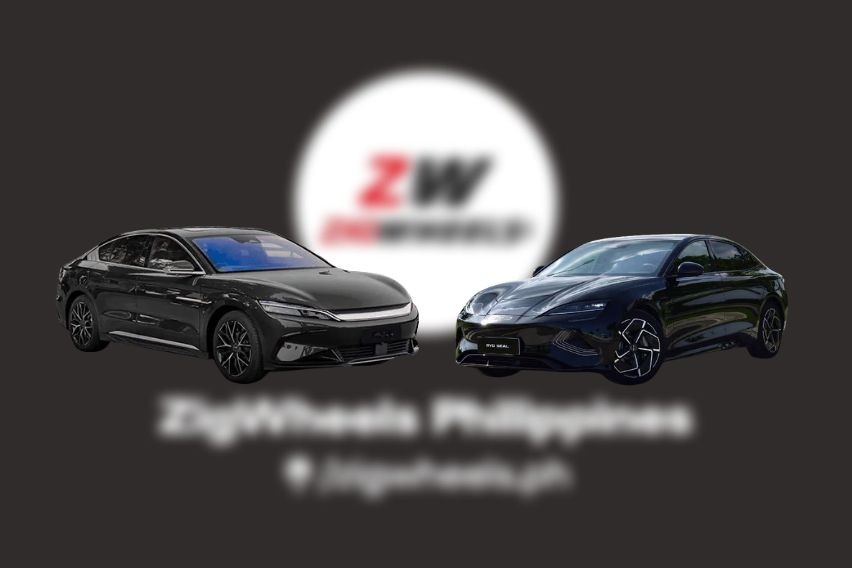
In the realm of sedans, the brand also has its top dogs - the BYD Han and the Seal. Both are strong all-electric contenders in the executive sedan market and are brimming with creature comforts. But the question now is: which is better on paper? Let’s find out here by comparing the specifications of the top-spec BYD Han Performance against the Seal Performance.
Tale of the Tape
To get the full picture when comparing the BYD Han and Seal, let’s go over the two sedans’ dimensions via the table below:
|
Dimensions |
BYD Seal Performance |
BYD Han Performance |
|
Length (in millimeters) |
4,800 |
4,995 |
|
Width (in mm) |
1,875 |
1,910 |
|
Height (in mm) |
1,460 |
1,495 |
|
Wheelbase (in mm) |
2,920 |
2,920 |
|
Ground clearance (in mm) |
120 |
141 |
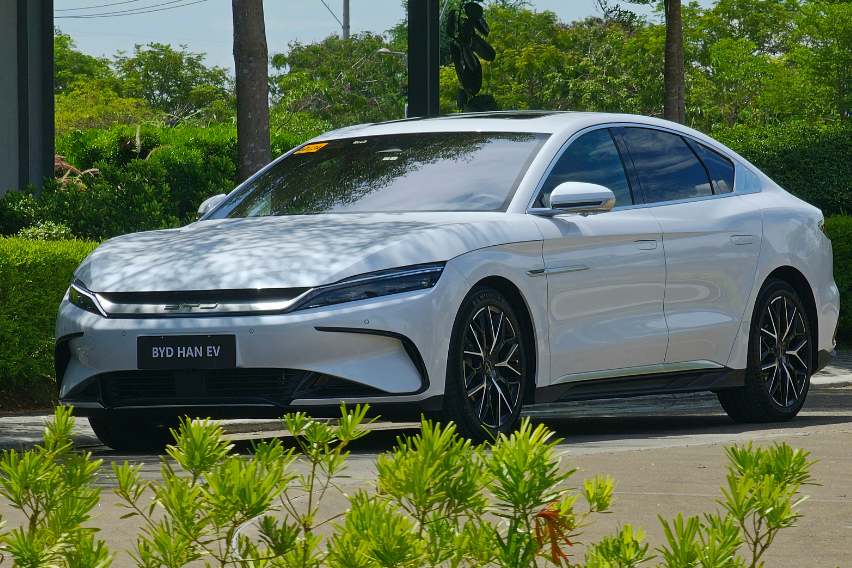 Photo by Cesar Guiderone Miguel
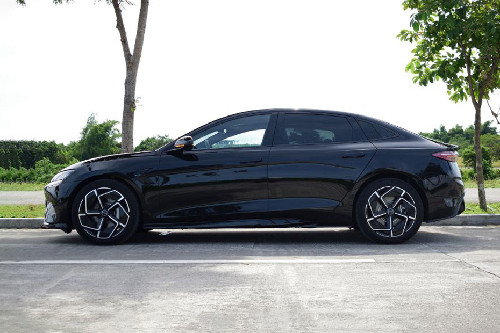
As expected, the BYD Han is significantly larger than the Seal. The former, after all, is classed as a full-size sedan, while the Seal is a mid-size model. Interestingly, the two nameplates have the exact same wheelbase length. The aforementioned hints at the fact that the two both use the Chinese car brand’s e-Platform 3.0.
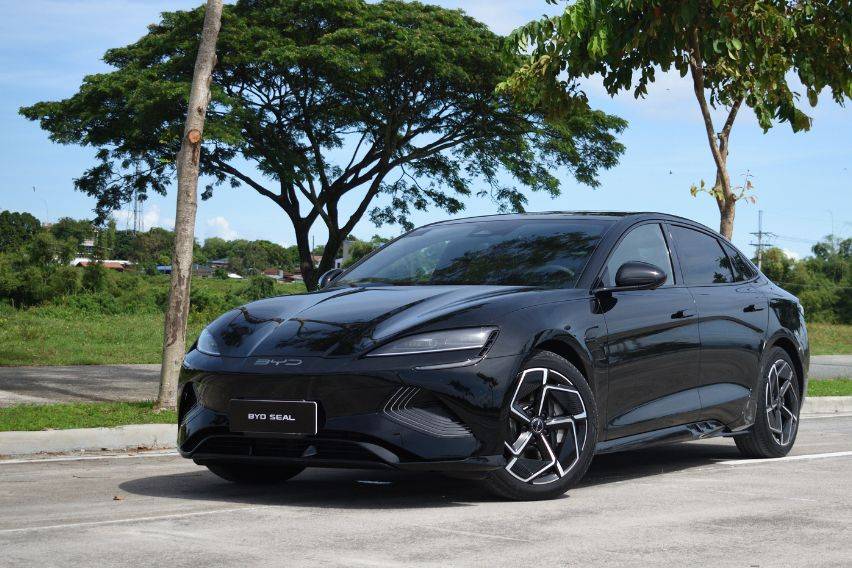 Photo by Cesar Guiderone Miguel
When comparing cars as a consumer, taking the time to examine their size figures is essential. Doing so will provide some clues on how they will feel to drive, and how easy they will be to park. Plus, taking careful consideration of a vehicle’s dimensions will also clue you in as to whether the car can even fit in your garage or not.
Exterior
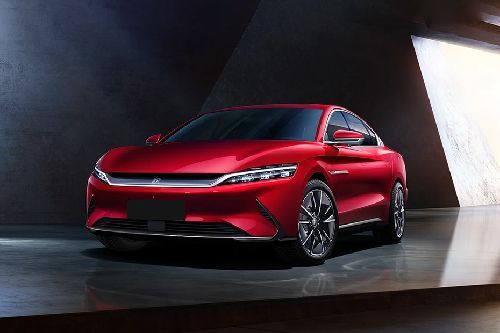
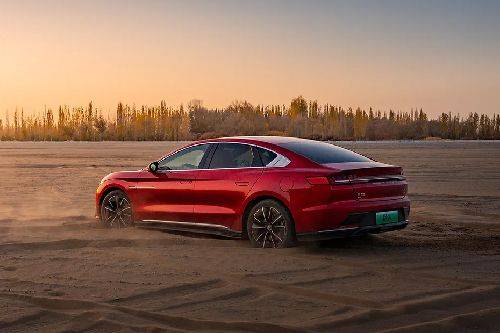
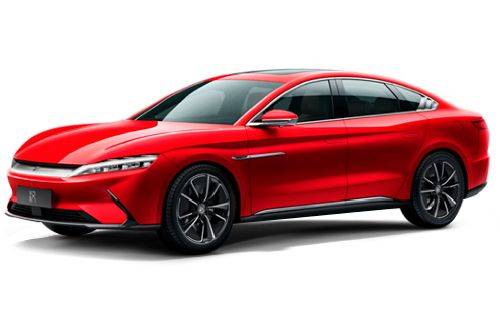
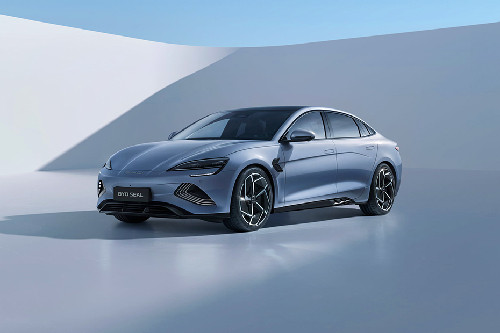
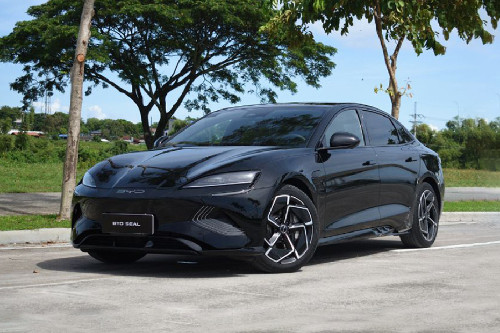
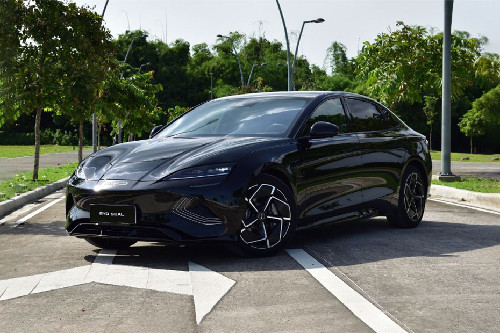
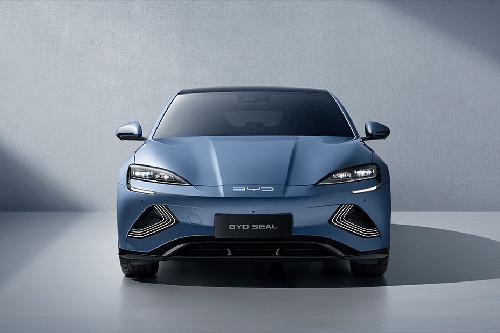
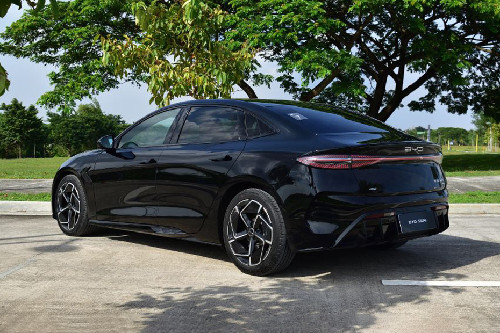
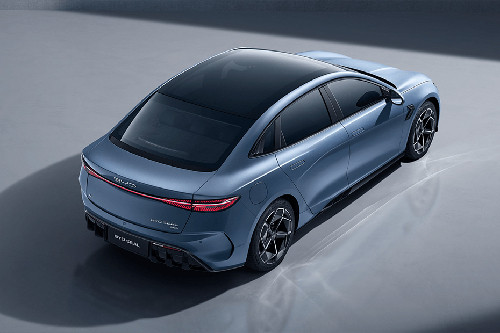
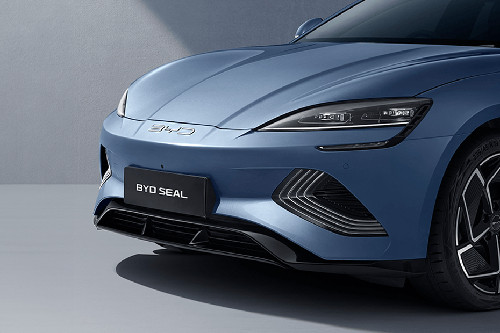
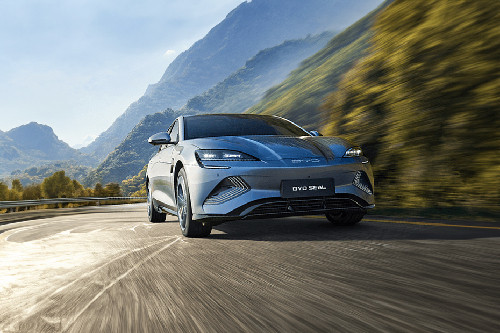
For their exterior styling, both the BYD Han and Seal are representative of the carmaker’s current design language. The two models wear sleek bodies, filled with sharply hewn design details. The two likewise get exterior parts that clearly gear them up for optimized aerodynamics.
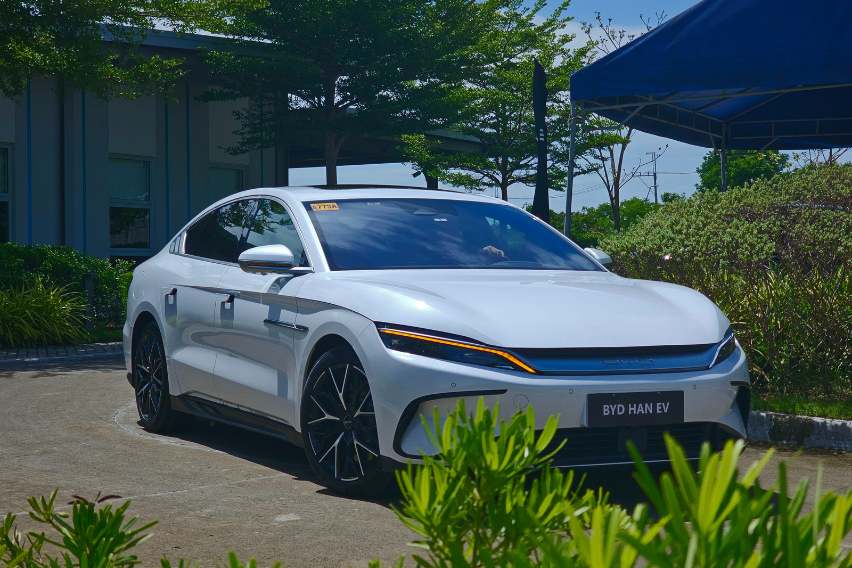 Photo by Cesar Guiderone Miguel
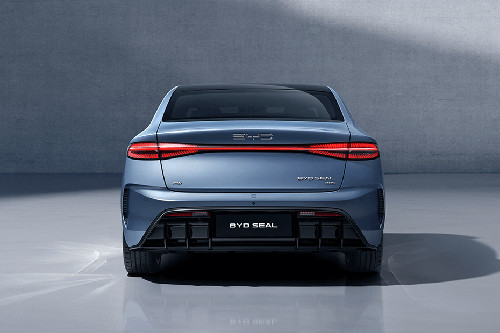
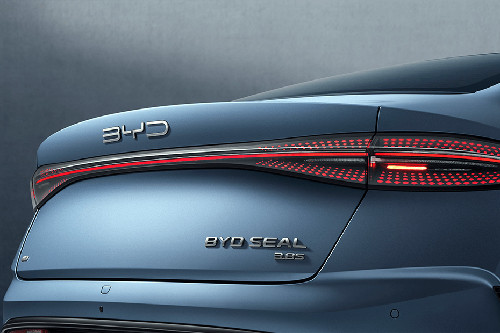
For their exterior lighting, both rides come with adaptive LED headlamps with automatic functionality, LED daytime running lamps, LED taillights, and rear fog lamps. Notably, both get LED bars spanning the width of their rear ends.
The two rides also get sequential turn signal lamps and a high-mount brake lamp. Further visibility is likewise ensured by power-folding side mirrors (with heating), rain-sensing wipers, and rear windshield defoggers.
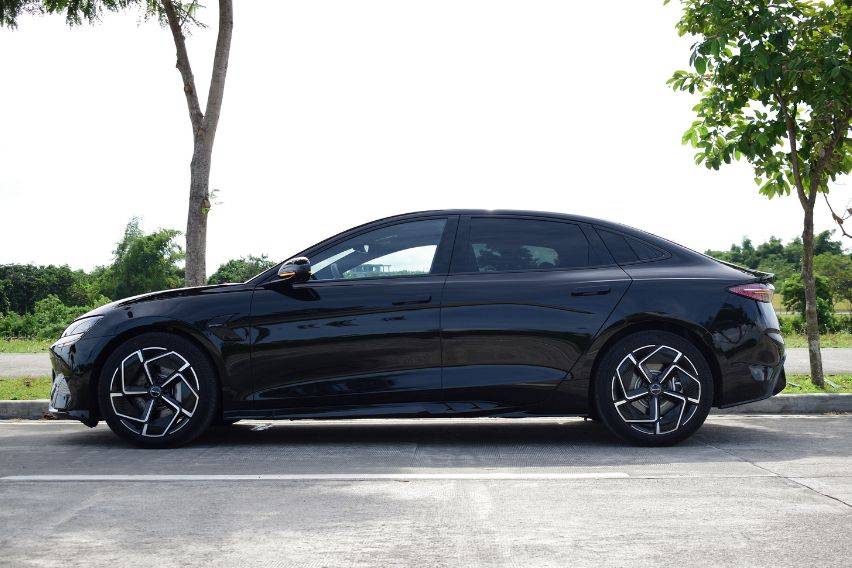 Photo by Cesar Guiderone Miguel
Other notable exterior equipment available for the two BYD sedans includes the following:
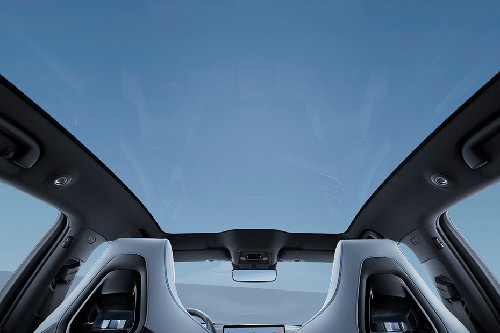
- Sunroof
- Power tailgate
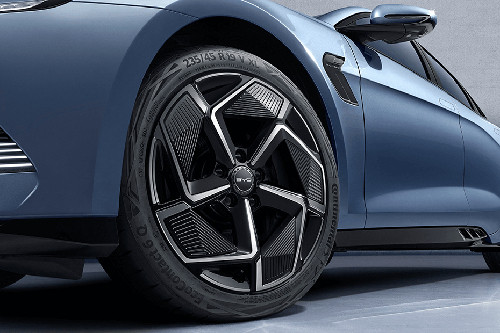
- 19-inch alloy wheels
- Flush door handles
- Exterior NFC card readers
For the glass used in their windows, the BYD Han features anti-ultraviolet coated glass with heat insulation, while the Seal utilizes acoustic glass. Also, the Han comes with puddle lamps mounted on its pair of side mirrors, while the Seal does not.
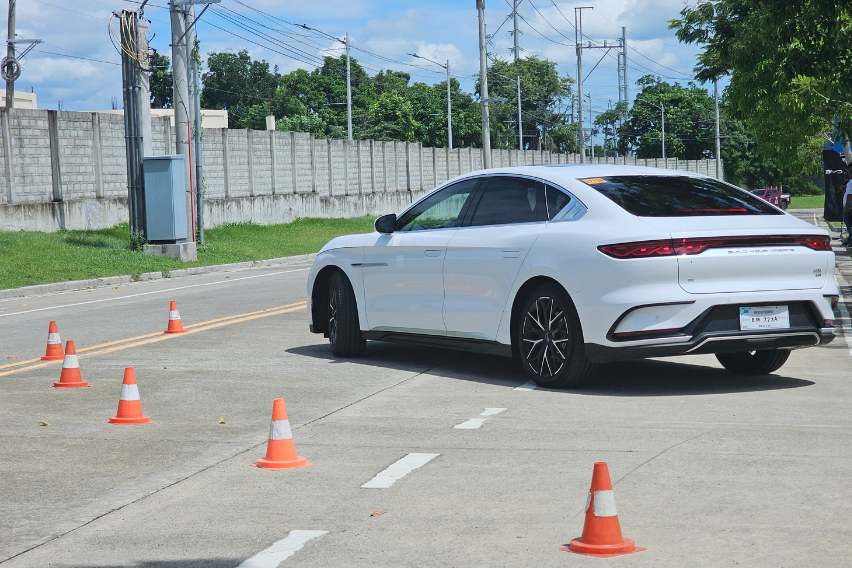 Photo by Cesar Guiderone Miguel
Regarding cargo, the BYD Han’s trunk offers up to 410 liters of space, whereas the Seal comes with 400 liters.
As a note for prospective buyers, the BYD Seal gets four color options, which is two more compared to the pricier and larger BYD Han.
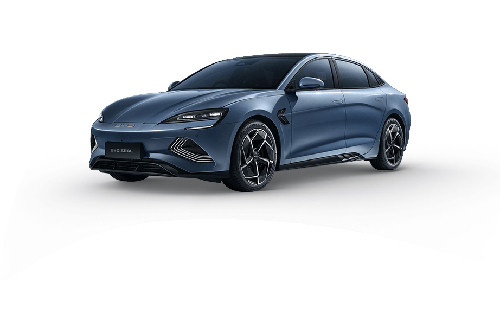
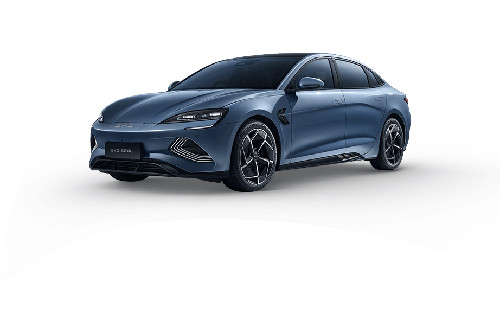
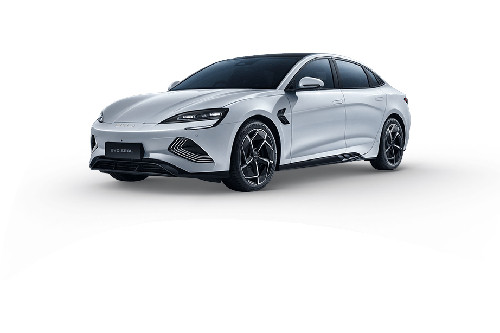
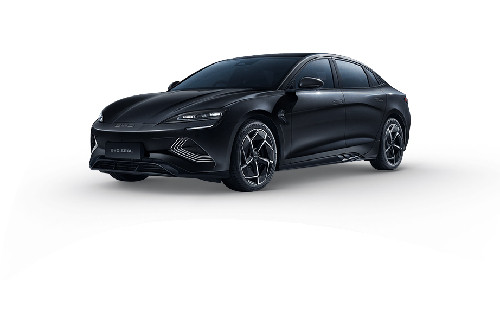
Specifically, the Seal may come in Arctic Blue, Atlantis Grey, Cosmos Black, and Aurora White. The Han, meanwhile, is only available in Arctic White and Cosmos Black.
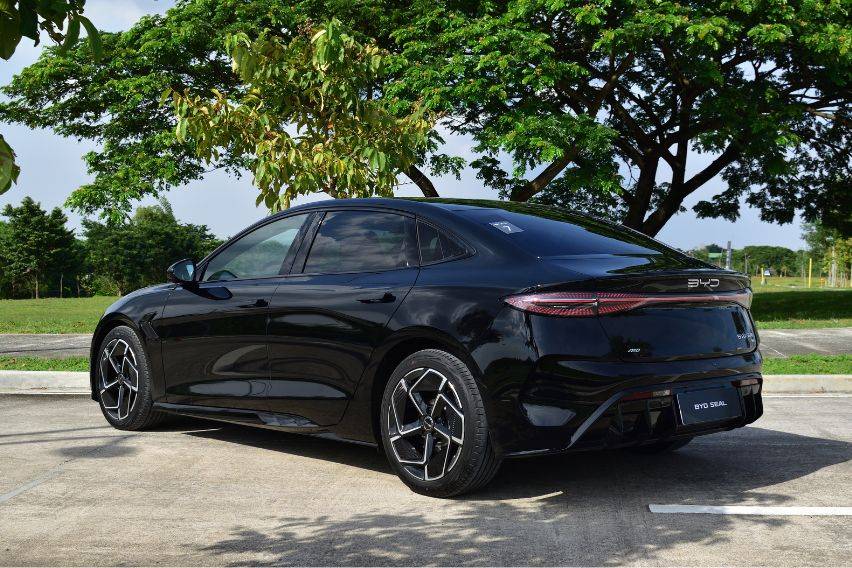 Photo by Cesar Guiderone Miguel
Interior
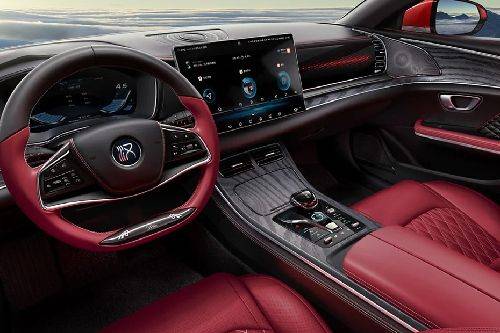
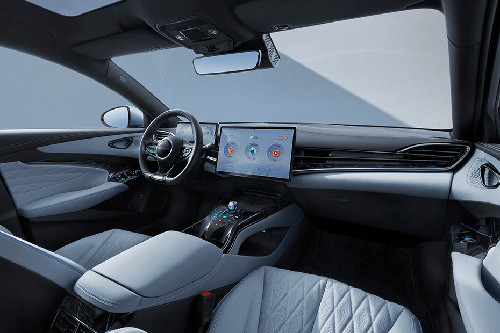
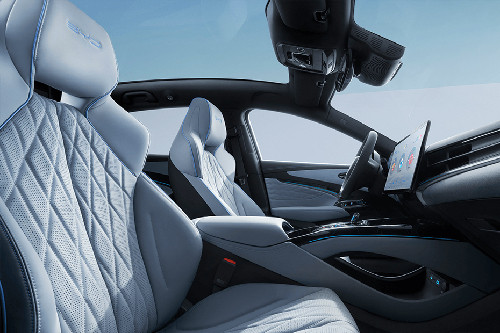
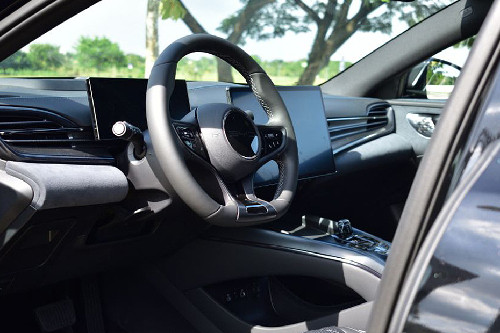
Both sedans offer a luxurious and generously spacious cabin for up to five occupants. The two also have a well-arranged dashboard with easy-to-reach controls for the driver and front passenger.
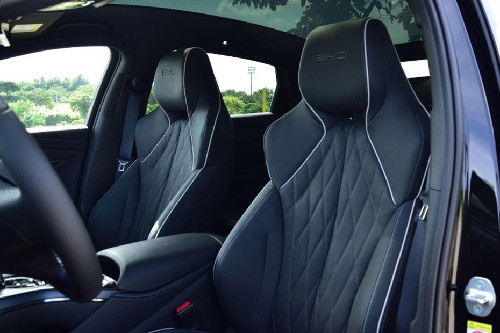
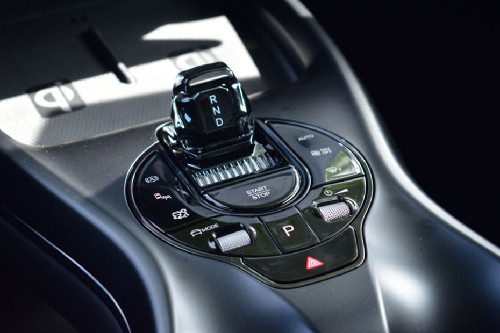
Specifically for the driver, both the BYD Han and Seal offer a power-adjustable seat with lumbar support, memory function, and ventilation. The two sedans also get leather-wrapped steering wheels, a push-to-start button, an auto-dimming rearview mirror, a tilt and telescopic steering column, and a center armrest - among others.
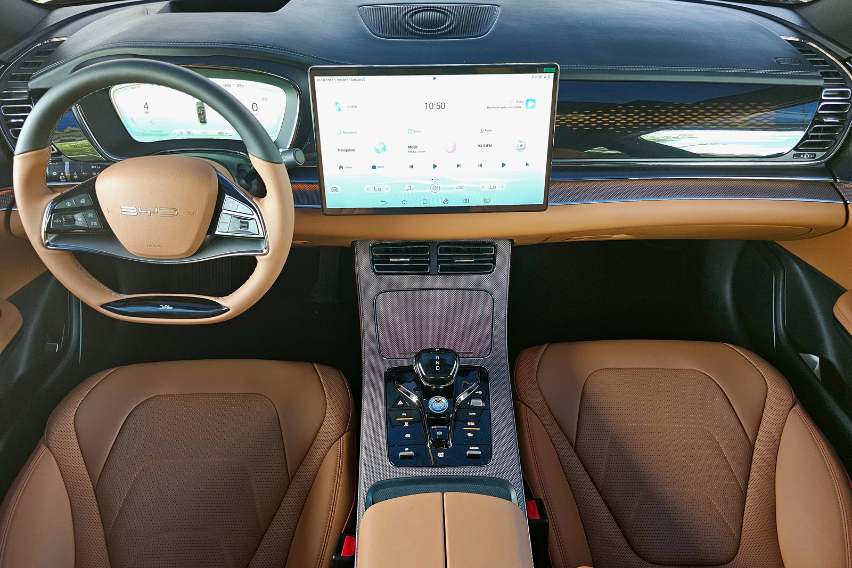 Photo by Cesar Guiderone Miguel
The digital gauge cluster on the Han, however, is sized at 12.3 inches, which is a fair bit larger compared to the 10.25-inch digital instrument cluster on the Seal. Both also come with heads-up displays.
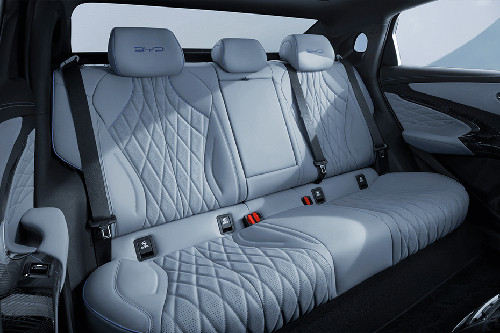
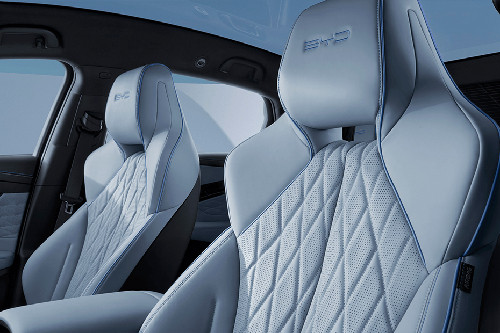
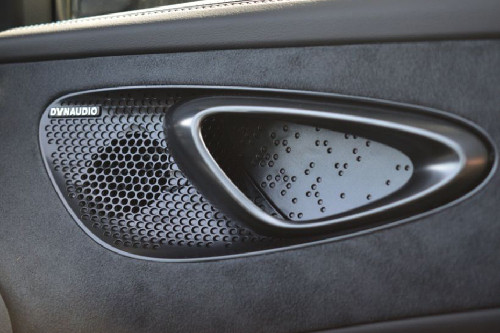
For everyone inside their cabins, both the BYD Han and Seal were equipped with leather upholstery, but only the Han features power-reclining second-row seating. The interior door cards and dashboard of the Han also use leather combined with carbon fiber inserts. The Seal, meanwhile, eschews carbon fiber inserts in favor of suede.
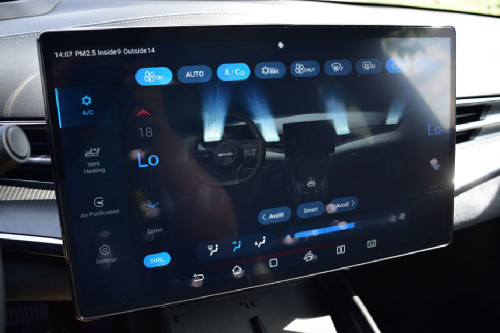
All inside the BYD Han and Seal are kept cool by an automatic air-conditioning (AC) system. For both cars, their AC units are reinforced by a particulate matter 2.5 filter, a cellulose nitrate 95 filter, and a negative ion air purifier.
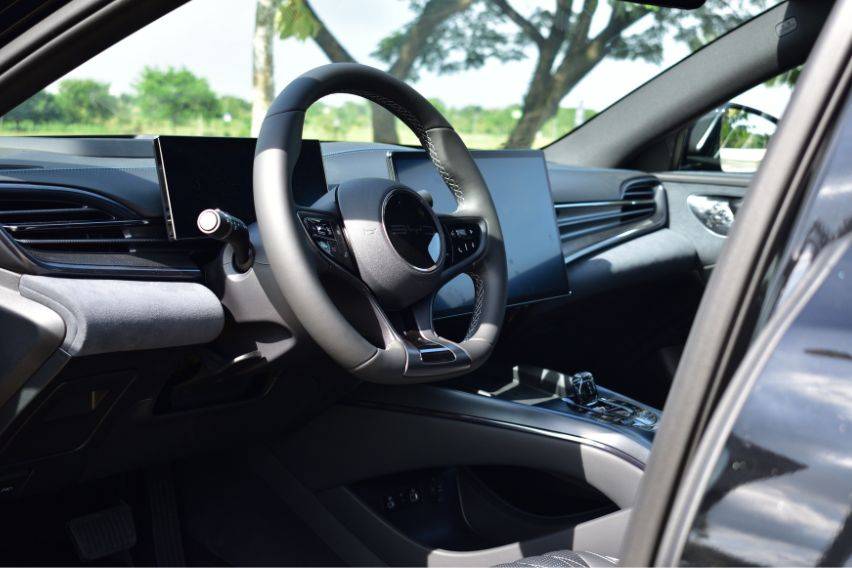 Photo by Cesar Guiderone Miguel
Both sedans also have ambient lighting, back-lit interior door handles, map lamps, glove box lamp, and luggage compartment lamps. The Han adds on to those with foot well lamps, which are not present on the Seal.
For infotainment systems, both cars get a 15.6-inch touchscreen with a rotating function. The two also come with a 12-piece Dynaudio speaker set, Apple CarPlay and Android Auto, wireless smartphone charging pads, 12-volt accessory outlets, and USB ports.
Additionally, both sedans also get the following technologies:
- 4G connectivity
- Over-the-air software updates
- Voice assistant
- BYD cloud service
As a side note, the BYD cloud service is marketed as the BYD App. Per its name, it is a smartphone application that is able to remotely lock and unlock the vehicle, pinpoint its location, and pre-cool its interior - among others.
Safety
As expected from premium-level sedans, both the BYD Han and Seal come standard with a comprehensive array of safety gear.
Found on both nameplates are dual front airbags, front and rear side airbags, side curtain airbags, ISOFIX child seat anchors, anti-lock braking, traction control, electronic stability control, and an anti-theft system. The BYD Han, however, adds on to those with its knee airbag.
On the flipside, the BYD Seal comes with an “Intelligent Torque Adaption Control” system, which the car brand says is an active mechanism that optimizes power distribution between wheels in real time.
Apart from their standard lineup of safety gear, both the BYD Han and Seal were kitted out with a significant number of advanced driver-assist systems (ADAS), such as:
- Adaptive cruise control
- Lane keep assist
- Lane change assist
- Autonomous emergency braking
- Lane departure warning
- Blind spot detection
Interestingly, the more affordable Seal has several ADAS components that are not included in the Han. The aforementioned includes a front and rear cross-traffic alert and braking system, an intelligent speed limit control system, and a traffic sign recognition feature.
Performance
For its powertrain, the BYD Han uses a dual-motor, all-wheel-drive system. In total, the aforementioned system can generate up to 510 horsepower (hp) and 700 Newton-meters (Nm) of torque.
The BYD Seal Performance, on the other hand, is propelled by a similar all-wheel-drive, dual-motor setup with a maximum churn of 522 hp and 670 Nm of torque.
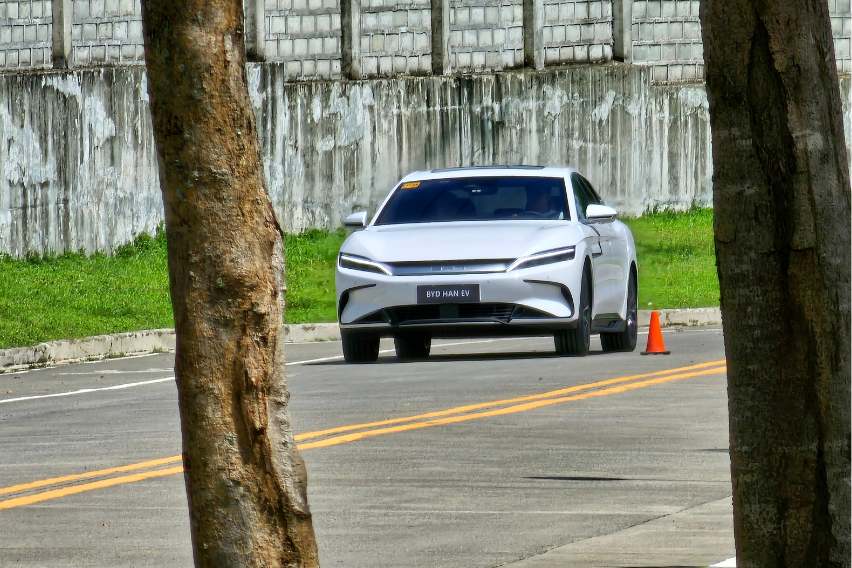 Photo by Cesar Guiderone Miguel
Based on the figures above, the Seal has a slight edge against the Han when it comes to generating horsepower. The Han, however, can produce a bit more torque. Do remember, though, that the Han has a curb weight of 2,250 kilograms (kg), which is a bit heavier compared to the Seal’s 2,185 kg curb weight.
With regard to suspensions, the Seal uses a front double wishbone system, while the Han comes with a front MacPherson strut system. Both use a multi-link suspension for their rear ends.
The larger nameplate does come with the DiSUS-C, which is absent on the more affordable Seal.
Per BYD, the DiSUS-C is a semi-active system capable of adjusting the damping force in order to provide enhanced ride comfort, as well as improved driving dynamics, depending on the situation.
Additionally, the Han comes with Brembo front and rear discs and calipers, whereas the Seal was kitted out with original equipment manufacturer (OEM) discs and calipers.
Concerning range, the BYD Han can cover 521 kilometers (km) according to the Worldwide Harmonised Light Vehicle Test Procedure (WLTP). The top-spec Seal Performance, in comparison, boasts a New European Driving Cycle (NEDC) range of 580 km.
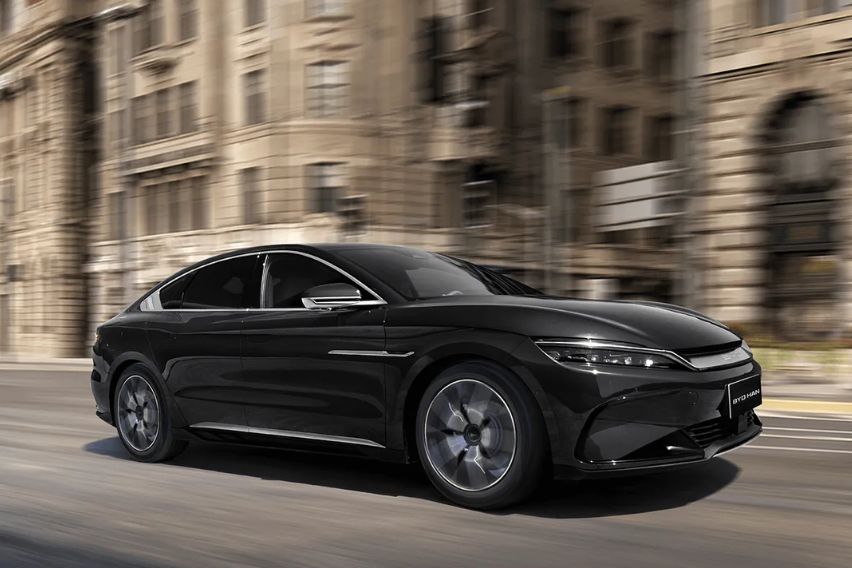 Photo from BYD Cars Philippines
Both get BYD Blade Battery packs, but the Han uses a larger 85.4 kilowatt-hour (kWh) battery compared to the 82.6 kWh battery on the Seal Performance.
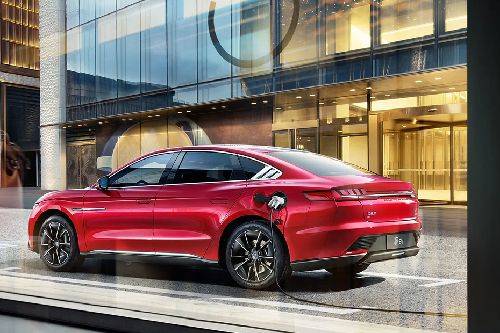
On the one hand, the BYD Seal has a maximum direct current (DC) charging rate of 120 kilowatts (kW), while the Han has 150 kW. For both cars, the aforementioned can be translated to a charge time of 30-80 percent state-of-charge in just thirty minutes (via CCS2 DC charging station).
Here is a table listing the basic specifications of the BYD Han and Seal Performance:
|
Specs |
BYD Han Performance |
BYD Seal Performance |
|
Motor Setup |
Dual permanent magnet synchronous motors |
|
|
Drivetrain |
All-wheel-drive |
|
|
Horsepower |
510 |
522 |
|
Torque |
700 Nm |
670 Nm |
|
Battery capacity |
85.4 kWh |
82.6 kWh |
|
Range |
521 km (WLTP) |
580 km (NEDC) |
|
Front suspension |
MacPherson strut |
Double wishbone |
|
Rear suspension |
Multi-link |
|
|
Brakes |
Brembo front and rear discs |
Front and rear discs |
|
Charging port |
CCS2 |
|
|
Curb weight |
2,250 kg |
2,185 kg |
Pricing
In the Philippine market, the BYD Han’s sole variant, the Performance, retails for P3.113 million. The BYD Seal, meanwhile, has two locally available trims, with the entry-level Advanced priced at P1.998 million. The top-spec BYD Seal Performance, on the other hand, is available for P2.548 million.
Final thoughts
To sum it all up, the BYD Seal is more than a match against its larger Han sibling. Then again, the full-size sedan does offer a bit more in terms of interior features that enhance usability and comfort.
As mentioned above, it comes with a larger set of displays, power-reclining rear seats, and puddle lamps. Sure, the said features sound simple, but their presence on a car, at least for some buyers, will mean a world of difference in making it easier to use on a daily basis.
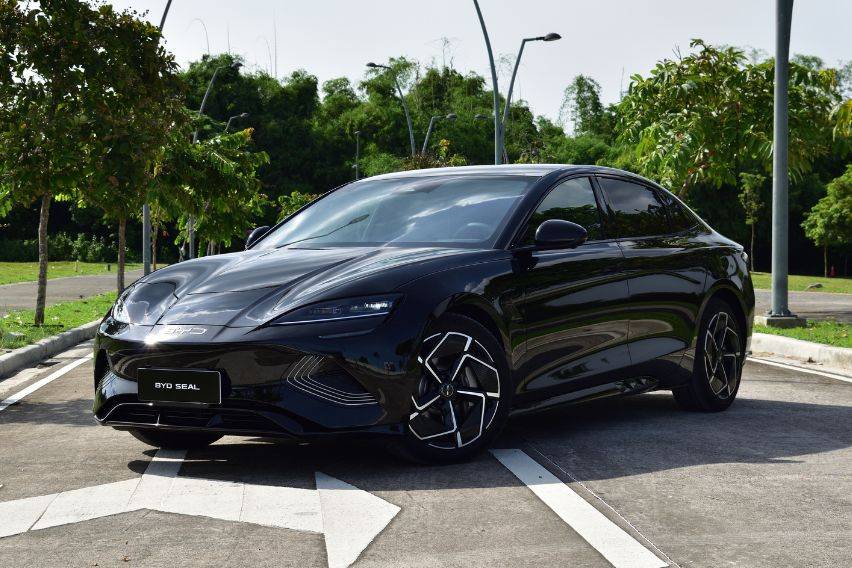 Photo by Cesar Guiderone Miguel
Performance-wise, however, the BYD Seal is comparable to the larger and more expensive Han in some aspects. On the one hand, the full-size BYD-made model gains an advantage in handling capabilities due to its set of Brembo brake components and its DiSUS-C semi-active damper system.
So, in the end of the day, the heftier price tag on the BYD Han is more than justified, while the BYD Seal remains a good value-added buy for people looking for a fast and luxurious ride.
Those interested in either of the two BYD executive sedans, however, should give each car a good ol’ test drive. Reading about their specs on the internet is a good start, but having some seat time with these all-electric beasts will make for a more informed purchase, after all.
Also read:
Here’s a closer look inside the BYD Seal
BYD Seal: strengths and weaknesses
You are looking at the 10,000th BYD NEV retailed in PH
Connect with us through our various social media pages:
Facebook: https://www.
Instagram: https://www.

Sell your car at the best price
 Verified and genuine buyers
 Free listing

BYD HAN EV Related Stories
- News
- Featured Stories
- Expert Review
-
 BYD is PH's best-selling NEV brand for 2024
MANILA: BYD Cars Philippines sold 4,780 units in 2024 — allowing it to corner one-percent share of the country’s overall...
Read MoreRuben Manahan IV, Feb 03, 2025 -
BYD Cars PH expands reach with 11 new dealer appointments
MANILA: ACMobility is set to further expand BYD’s presence in the Philippines with new dealer appointments recently. Eyed to boost...
Read MoreRuben Manahan IV, Jun 06, 2024 -
BYD set for car display, test drives at Rockwell Power Plant Mall
MANILA: BYD will have the Rockwell Power Plant Mall’s North Court Area starting tomorrow up to the end of the...
Read MoreRuben Manahan IV, Apr 04, 2024

-
Here are the BYD Han EV's strengths, weakness
The Han electric vehicle (EV) currently stands as BYD Cars Philippines’ flagship sedan. It is one of the brand’s most...
Read MoreCesar Miguel, Jun 09, 2025
-
Han, Tang are BYD PH's one-two shocker
The BYD Han and Tang sit on top of the local BYD lineup in terms of safety and handling. Such...
Read MoreCesar Miguel, Jun 26, 2024
BYD Car Models
-

BYD Seal 5 DM-i -
BYD Sealion 6 DM-i -
BYD Seagull -
BYD Shark 6 DMO -
BYD Atto 3 -
BYD Dolphin -
BYD Tang -
BYD Seal -
BYD HAN EV -
BYD eMAX 7


Don't Miss
PIMS 2026


Trending & Fresh Updates
- Latest
- Popular
-

-
-
-
3 reasons to buy the all-new Lexus ESCesar Miguel, Oct 09, 2026
-
5 exciting things about the Kia EV3Paulo Papa, Oct 09, 2026
-
iCAUR V27: 1st lookPaulo Papa, Oct 02, 2026
-
-
First drive: Kia Sportage Turbo HybridCesar Miguel, Aug 18, 2026
-
First impressions: Geely EX2Cesar Miguel, Jun 18, 2026
-
Weighing down on car parkingPaulo Papa, Sep 24, 2026
-
Tips on how to prevent vehicle firesCesar Miguel, Mar 17, 2026
-
How to prepare your car for summerCesar Miguel, Mar 11, 2026

-
-
-
-
Here’s why this family only buys ToyotasCesar Miguel, Sep 17, 2026
-
-
3 reasons to be excited about the iCAUR V27Cesar Miguel, Sep 25, 2026
-
First drive: Kia Sportage Turbo HybridCesar Miguel, Aug 18, 2026
-
-
How to prepare your car for summerCesar Miguel, Mar 11, 2026
-
Tips on how to prevent vehicle firesCesar Miguel, Mar 17, 2026
-
Weighing down on car parkingPaulo Papa, Sep 24, 2026

You might also be interested in
- News
- Featured Stories
-
-
-
-
Hyundai sells 4.141-M cars globally in 2024Cesar Miguel, Jan 07, 2025
-
-
HMPH hands over Staria units to DOST-STIIPaulo Papa, Dec 19, 2023
-
3 reasons to buy the all-new Lexus ESCesar Miguel, Oct 09, 2026
-
5 exciting things about the Kia EV3Paulo Papa, Oct 09, 2026
-
iCAUR V27: 1st lookPaulo Papa, Oct 02, 2026
-
iCAUR V23: 1st impressionsPaulo Papa, Oct 01, 2026
-
3 reasons to be excited about the iCAUR V27Cesar Miguel, Sep 25, 2026
-
3 reasons to consider the GAC E8 HEVCesar Miguel, Sep 21, 2026
BYD Featured Cars
- Latest
- Popular
-
BYD Atto 2 EV₱1.338 Million SRP Price AbulugMonthly Payments : ₱22,954 x 60Write a Review Get Exclusive Promos
-
BYD Atto 2 DM-i₱1.048 - 1.258 Million SRP Price AbulugMonthly Payments : ₱17,978 x 60Write a Review Get Exclusive Promos
-
BYD Seal 5 DM-i₱948,000 - 1.048 Million SRP Price AbulugMonthly Payments : ₱16,263 x 604.4 (5 Reviews) Get Exclusive Promos
-
BYD Sealion 7₱2.588 Million SRP Price AbulugMonthly Payments : ₱44,398 x 60Write a Review Get Exclusive Promos
-
BYD eMAX 9 DM-i₱2.778 - 3.098 Million SRP Price AbulugMonthly Payments : ₱47,658 x 604 (1 Reviews) Get Exclusive Promos
-
BYD Seal 5 DM-i₱948,000 - 1.048 Million SRP Price AbulugMonthly Payments : ₱16,263 x 604.4 (5 Reviews) Get Exclusive Promos
-
BYD Sealion 6 DM-i₱1.548 Million SRP Price AbulugMonthly Payments : ₱26,556 x 604.22 (9 Reviews) Get Exclusive Promos
-
BYD Seagull₱968,000 SRP Price AbulugMonthly Payments : ₱16,606 x 604.13 (7 Reviews) Get Exclusive Promos
-
BYD Shark 6 DMO₱2.388 - 2.618 Million SRP Price AbulugMonthly Payments : ₱40,967 x 604 (3 Reviews) Get Exclusive Promos
-
BYD Atto 3₱1.638 - 1.848 Million SRP Price AbulugMonthly Payments : ₱28,100 x 604 (14 Reviews) Get Exclusive Promos
-
BYD Dolphin₱1.438 Million SRP Price AbulugMonthly Payments : ₱24,669 x 604 (11 Reviews) Get Exclusive Promos
Compare & Recommended
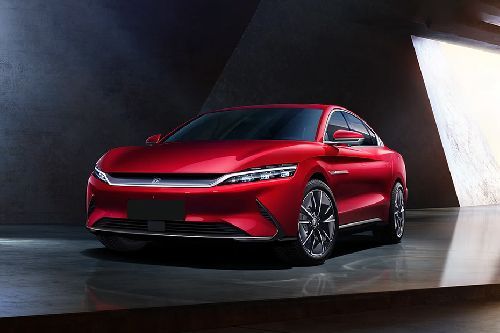
BYD HAN EV
₱3.113 Million
HAN EV Price
|
|
|
|
|
|
Battery Capacity
76.9 kWh
|
-
|
-
|
-
|
-
|
|
AC Charging
(0-100%) In 12 Hours
|
-
|
-
|
-
|
-
|
|
DC Charging
(30-80%) In 30 Minutes
|
-
|
-
|
-
|
-
|
|
Fuel Type
Electric
|
Gasoline
|
Gasoline
|
Gasoline
|
Gasoline
|
|
Power
219
|
179
|
136
|
271
|
176
|
|
Driving Range
550 km
|
-
|
-
|
-
|
-
|
|
Transmission Type
Automatic
|
CVT
|
Automatic
|
Manual
|
CVT
|
|
Engine
-
|
2494
|
1322
|
2387
|
2487
|
|
|
Trending Sedan
- Latest
- Upcoming
- Popular
-
BYD Seal 5 DM-i₱948,000 - 1.048 Million SRP Price AbulugMonthly Payments : ₱16,263 x 604.4 (5 Reviews) Get Exclusive Promos
-
MG 5 Prestige₱888,888 SRP Price AbulugMonthly Payments : ₱15,248 x 604 (1 Reviews) Get Exclusive Promos
-
Tesla Model Y L₱2.849 Million SRP Price AbulugMonthly Payments : ₱48,876 x 605 (1 Reviews) Get Exclusive Promos
-
Changan Eado Plus₱699,000 - 749,999 SRP Price AbulugMonthly Payments : ₱11,991 x 604 (1 Reviews) Get Exclusive Promos
-
Volvo ES90₱5.265 Million SRP Price AbulugMonthly Payments : ₱90,323 x 605 (1 Reviews) Get Exclusive Promos
-
BMW 7 Series Sedan₱7.99 - 8.99 Million SRP Price AbulugMonthly Payments : ₱137,072 x 604.65 (17 Reviews) Get Exclusive Promos
-
Toyota Vios₱738,000 - 908,000 SRP Price AbulugMonthly Payments : ₱12,660 x 604.28 (107 Reviews) Get Exclusive Promos
-
MG 5₱698,888 - 878,888 SRP Price AbulugMonthly Payments : ₱11,989 x 604.29 (28 Reviews) Get Exclusive Promos
-
Mitsubishi Mirage G4₱793,000 - 937,000 SRP Price AbulugMonthly Payments : ₱13,604 x 604.13 (54 Reviews) Get Exclusive Promos
-
BYD Seal 5 DM-i₱948,000 - 1.048 Million SRP Price AbulugMonthly Payments : ₱16,263 x 604.4 (5 Reviews) Get Exclusive Promos
-
Honda City₱973,000 - 1.128 Million SRP Price AbulugMonthly Payments : ₱16,692 x 604.3 (64 Reviews) Get Exclusive Promos
-
Kia Soluto₱748,000 - 888,000 SRP Price AbulugMonthly Payments : ₱12,832 x 604.03 (33 Reviews) Get Exclusive Promos
BYD HAN EV Car Articles From Carmudi
- journal
- advice
- financing
- insurance
-
PH auto industry YTD sales exceed 300K vehicles in Aug. 2026Ruben Manahan IV, Sep 29, 2026
-
Xpeng officially enters PH market; unveils X9, L03Ruben Manahan IV, Sep 25, 2026
-
Kia PH widens BEV stable with all-new EV3Ruben Manahan IV, Sep 21, 2026
-
PH-spec Ford Everest, Ranger get major revampRuben Manahan IV, Sep 04, 2026
-
Nissan Navara PHEV, Primera EV PH launch set on NovemberRuben Manahan IV, Sep 03, 2026
-
Register & get OR/CR for your imported car the right wayCarmudi PH, Apr 16, 2025
-
How to handle a checkpoint: The right and wrong movesCarmudi PH, Apr 14, 2025
-
Don’t risk it: Here’s how to confirm driver’s license validityCarmudi PH, Apr 08, 2025
-
Your complete guide to a Non-Professional Driver’s LicenseCarmudi PH, Apr 04, 2025
-
Fixing errors or updating info? How to revise your driver’s licenseCarmudi PH, Apr 02, 2025




-
Toyota Hilux Sangla OR/CR: A Complete Preparation GuideCarmudi PH, Oct 07, 2026
-
How Much Can You Borrow Against a Fully Paid Car?Carmudi PH, Oct 06, 2026
-
How to Compare Car Refinancing Offers in the PhilippinesCarmudi PH, Sep 29, 2026
-
Pwede ba mag-apply ng Sangla OR/CR kung di pa tapos bayaran ang car loan?Carmudi PH, Sep 24, 2026
-
Sangla OR/CR Car Requirements in the Philippines: Complete ChecklistCarmudi PH, Sep 21, 2026




-
How hidden facts and fake claims can ruin your insurance protectionCarmudi PH, Jun 10, 2026
-
Is your car ready for the next big downpour? The insurance traps most drivers missCarmudi PH, Jun 08, 2026
-
What to do if your car insurance claim is denied for premium non-paymentCarmudi PH, Jun 05, 2026
-
Buy these car accessories once & reap the benefits every renewalCarmudi PH, Jun 03, 2026
-
Top reasons Filipino drivers file Acts of Nature claimsCarmudi PH, Jun 01, 2026