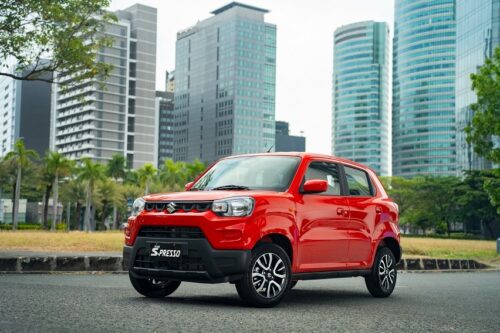
Suzuki S-Presso, Toyota Wigo, Honda Brio: which small car is best for the big city?
Check out how the Suzuki S-Presso compares with other city cars
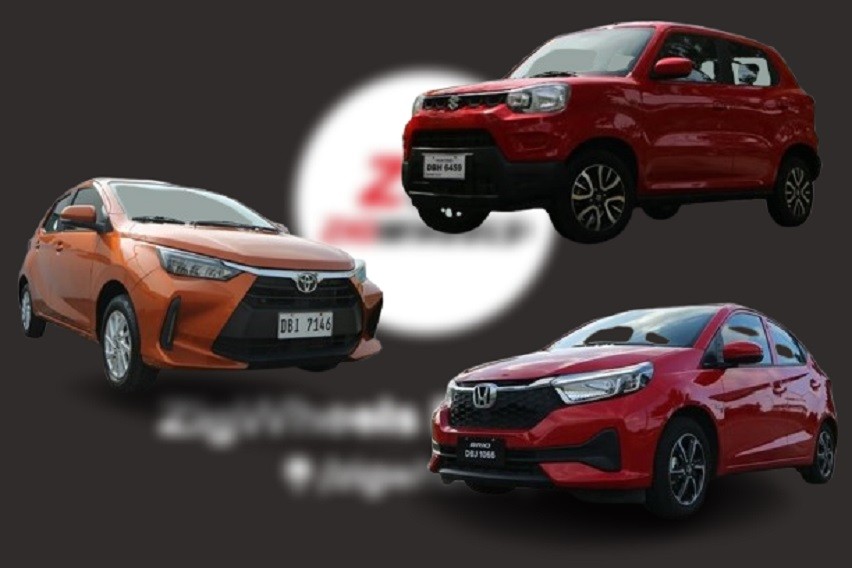
Commuting in the city has become a tough task for many workers in the Philippines. If ever you’re going to be stuck in traffic — especially with the coming holidays — wouldn’t it be better to get caught in the jam inside your own vehicle?
KEY TAKEAWAYS
What powers the Suzuki S-Presso?
The Suzuki S-Presso is powered by a 1.0-liter gasoline engine.How much power does the Suzuki S-Presso make?
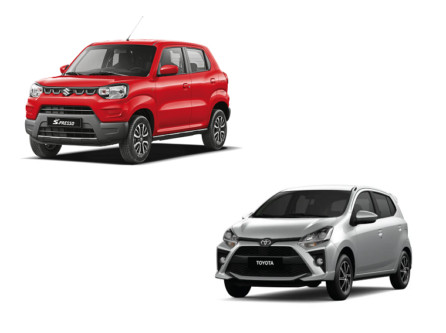
The Suzuki S-Presso makes up to 67 horses.That said, we’re checking out the Suzuki S-Presso to see how well it suits city traffic. In addition, we will also be looking at two other options from similarly respectable Japanese carmakers, for those in the market for a small yet capable city car. Our contenders include the following nameplates:
Now, let’s size them up:
|
Suzuki S-Presso |
Toyota Wigo |
Honda Brio |
|
|
Overall dimensions (length, width, height; in millimeters [mm>) |
3,565 x 1,520 x 1,567 |
3,760 x 1,665 x 1,515 |
3,811 x 1,682 x 1,487 |
|
Wheelbase (in mm) |
2,830 |
2,525 |
2,405 |
|
Ground clearance (in mm) |
180 |
160 |
137 |
Looking at the above numbers, all three automobiles appear to be small enough to easily maneuver tight city streets. They also boast decent road presence for when they need to be driven on the major thoroughfares in the metropolitan area.
It is worth pointing out that out of all the small vehicles in the list, the Suzuki S-Presso has the most ground clearance, which makes it a good choice, since most car owners today are faced with many lightly flooded city roads. The higher distance between the ground also allows it to better conquer the typical potholes and speed bumps that are prevalent in our road system.
The longest of the three is the Honda Brio, but it clears the ground the lowest, which might be a pro or a con — depending on who you’re asking. The low ground clearance helps it achieve good balance and center of gravity, but may make daily driving a little challenging.
As for the Toyota Wigo, it seems to strike a good balance between size and ground clearance, which is why it may be a popular pick for many car buyers who want a compact city car.
With the vehicles’ dimensions out of the way, let’s check their exterior features.
Exterior
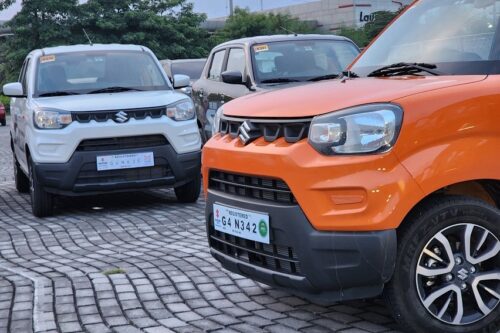
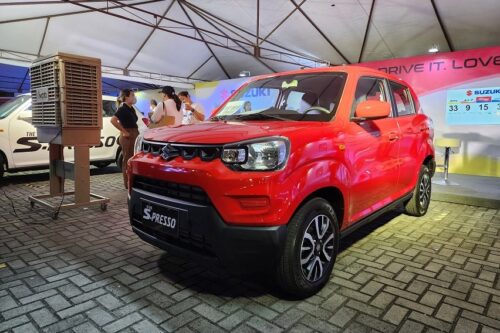
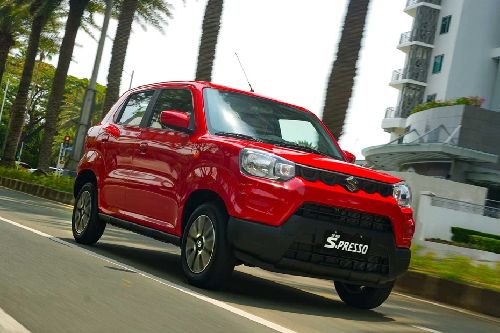
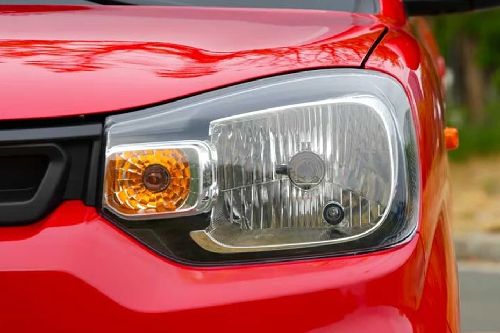
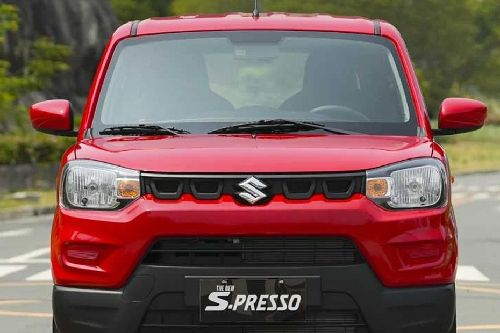
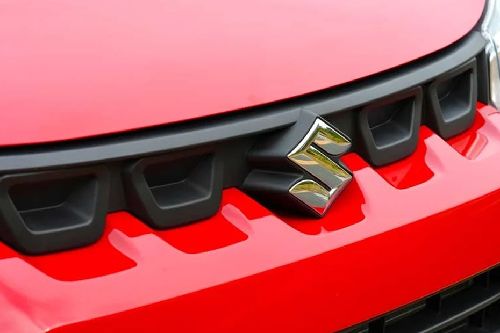
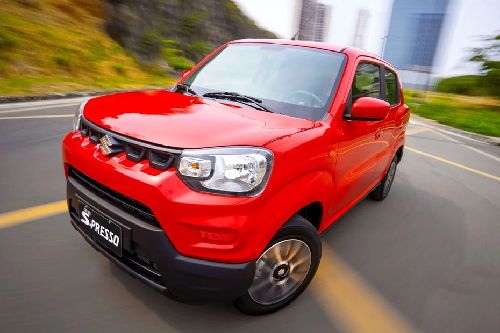
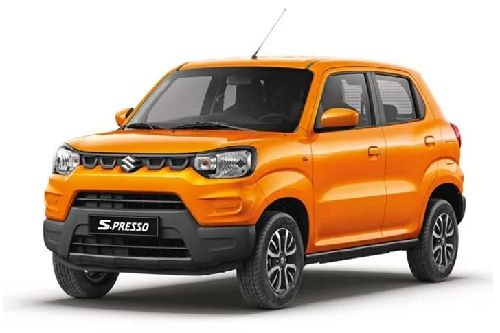
The Suzuki S-Presso has a fascia with an attitude, fitting for a small car with a big character. At the fore is a five-slot (albeit small) grille decorated with the “S” badge at the center. The headlamps flanking the grillework use halogen technology, which is pretty decent.
Below, the front end of the compact hatchback has horizontal air vents to ensure proper ventilation for its pint-sized powertrain. The front bumper is chunky and looks somewhat durable.
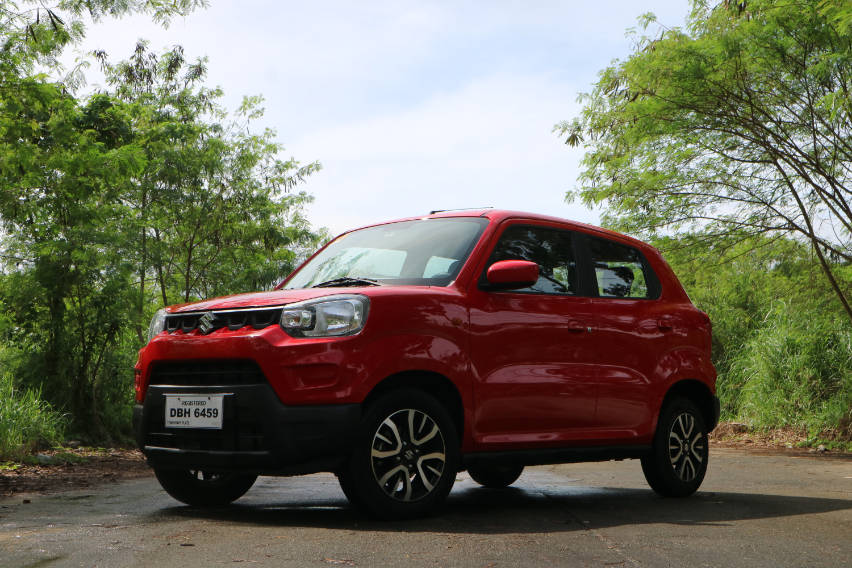 Photo by Juan Paulo Papa
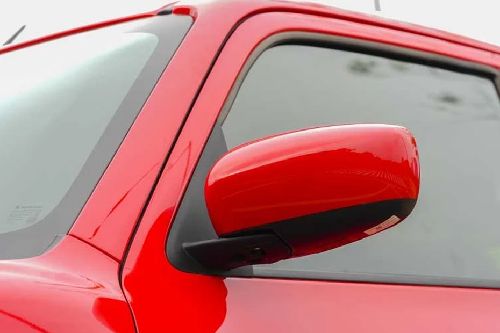
The side profile of the Suzuki S-Presso looks clean with body-colored door handles and black trims on the pillars and side mirrors. The carmaker could have added some cladding on the wheel arches and on the bottom section of the doors to kind of round up its “ready-for-anything” look.
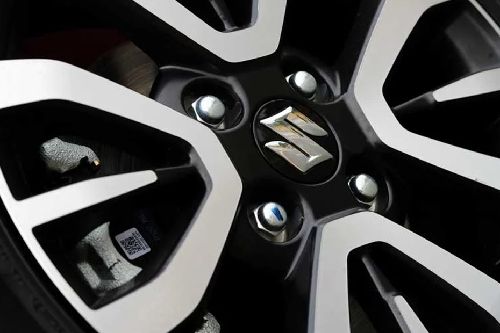
It rides on 14-inch alloy wheels with a two-tone design. They are wrapped with 165/70 series tires.
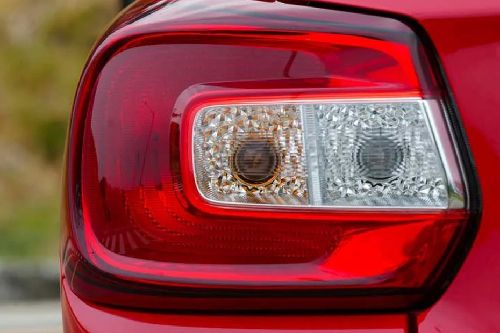
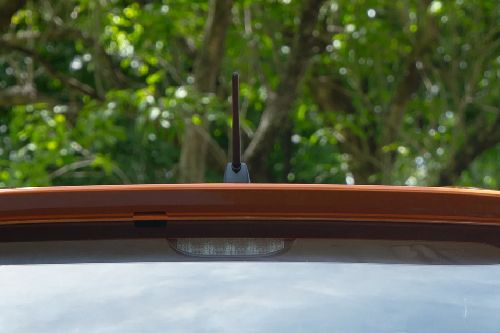
At the rear, the Suzuki S-Presso is very hatchback-like. Looking literally like a shrunken-down sport utility vehicle, it has a good-sized window, a discreet roof-mounted spoiler with an integrated third brake lamp, and some C-shaped taillights.
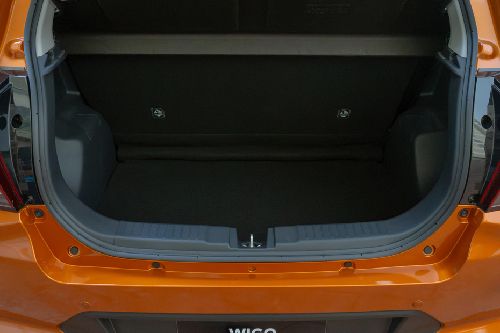
The tailgate opens wide and gives access to a generous luggage area with a high loading height. Notable too is its rear bumper that echoes a similar design to what can be found at the front.
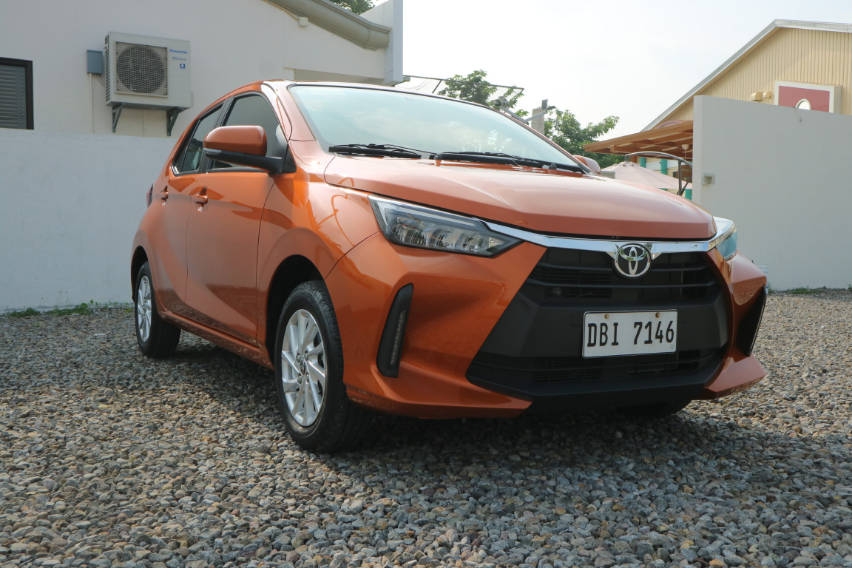 Photo by Juan Paulo Papa
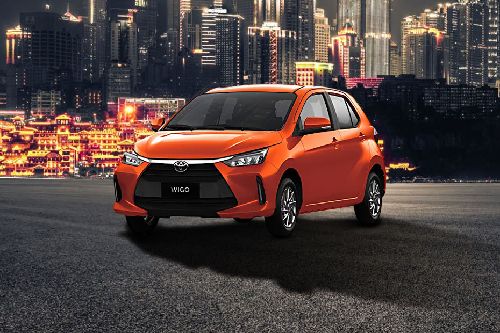
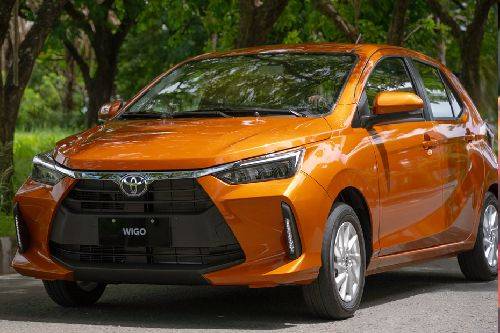
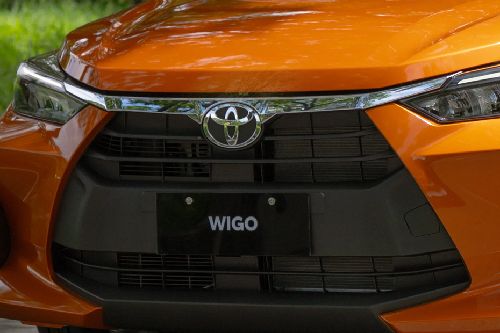
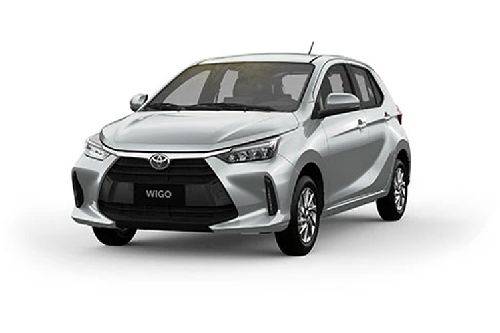
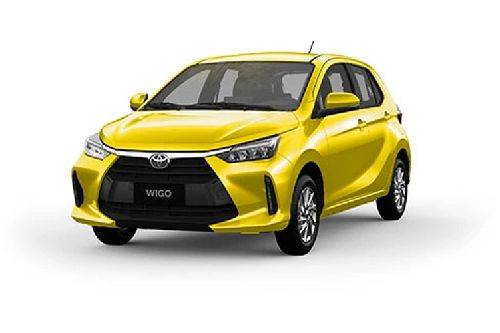
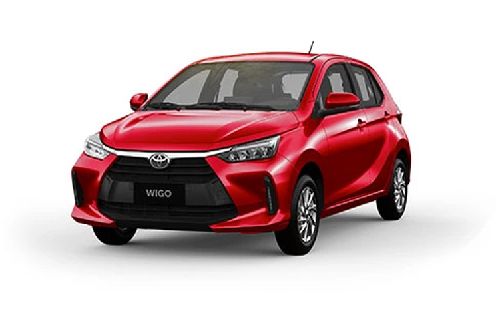
Meanwhile, the Toyota Wigo comes with plenty of sharp lines and offers an aggressive-looking mini car that can take on whatever the city throws at it.
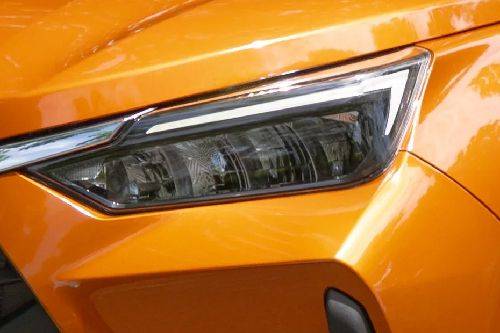
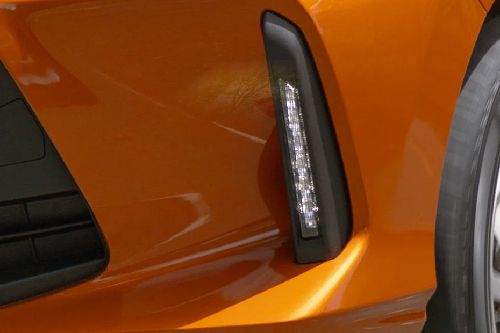
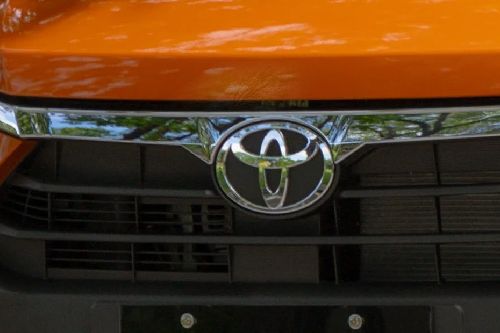
The latest iteration of Toyota’s best-selling hatchback offers a larger grille above which is a chrome garnish with the marque’s iconic emblem at the center. Flanking the said trim are two sharp-looking headlamps. On the sides of the lower front bumper are two fog lamps.
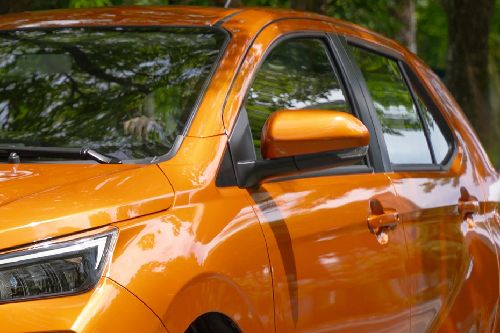
Its sides are also clean-looking, highlighted only by blacked-out pillars and side mirrors with a black accent. Like the front end, the windows of the Toyota Wigo are strong and angular.
The hatchback rocks 14-inch monotone wheels with 175/65 radial tires.
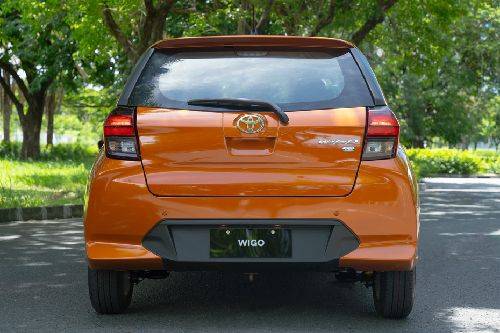
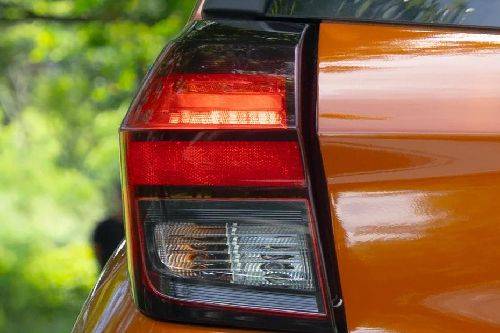
At the back, the Toyota Wigo carries the same design language with a squared glass that houses an integrated brake lamp, angular taillamps, and a discreet bumper that mimics the shape of the front grille.
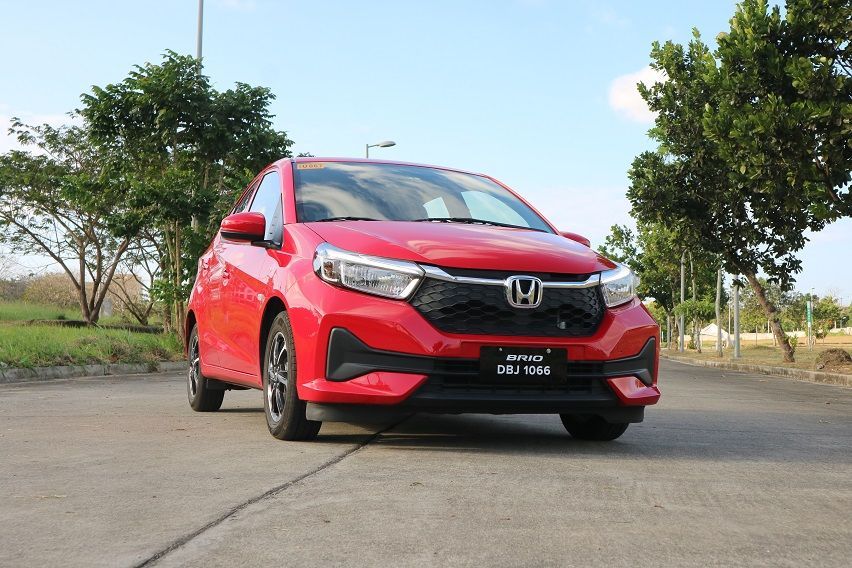 Photo by Juan Paulo Papa
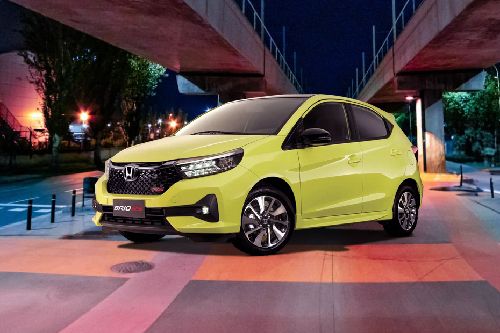
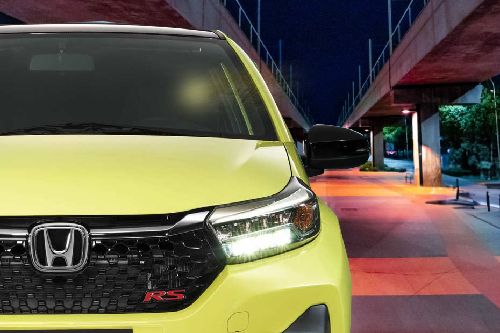
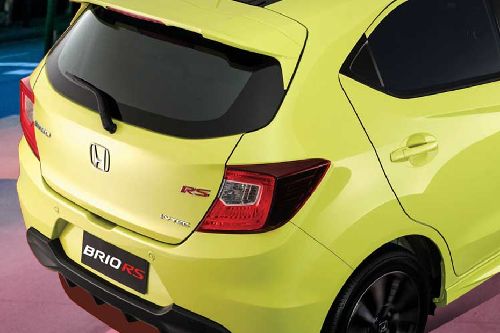
As for the Honda Brio, it simply screams attainable sportiness. Its fore has a sharp design with the nose fitted with a grille that boasts a latticework with large honeycomb patterns. At the middle is a chrome garnish with the Honda emblem. Onto its sides are headlamps with integrated turn signals.
The bottom grille has horizontal slats with the cheeks of the compact car housing its front fog lamps.
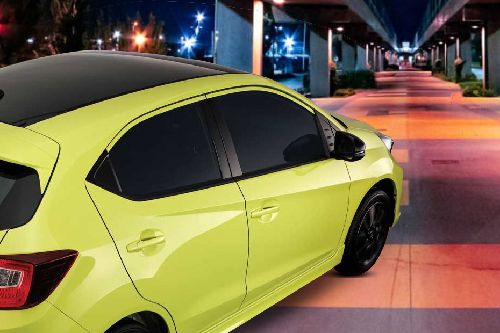
Honda has fitted the Brio’s sides with dark-colored side mirrors and black pillars. Some side sill garnishes add some level of sportiness to the automobile’s overall appearance.
At the back, the Honda Brio has a prominent roof-mounted spoiler atop the decent-sized rear glass. It also gets a combination taillamp and a sharp-looking bumper with diffuser-like trims underneath.
Winner
All three compact cars have their own characters, but we have to give this round to the Suzuki S-Presso due to its having better road presence than its competitors. The elevated ground clearance and somewhat stout stance make it a vehicle that’s easy to spot, whether on the road or in the parking lot.
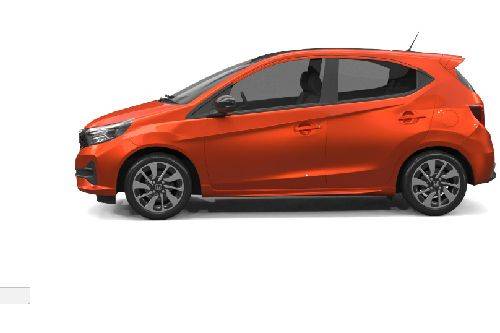
And did we say that it also comes in a striking Sizzle Orange paint?
Us giving the “W” to the Suzuki S-Presso does not mean the other cars are inferior in terms of looks. It’s just that there are already a lot of compact hatchbacks on the market that share the same style, and the winner of this round offers a unique appeal to small cars compared to its rivals. And speaking of uniqueness…
Other stories: |
Interior
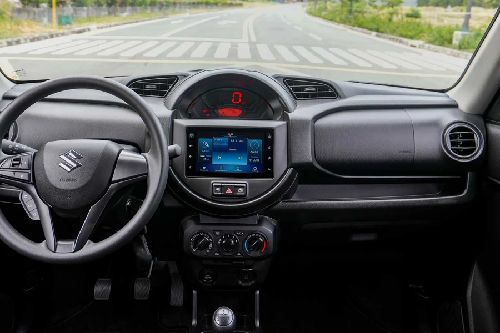
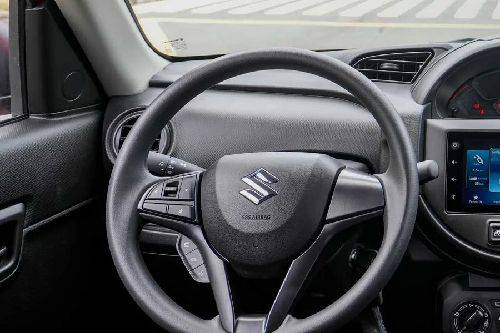
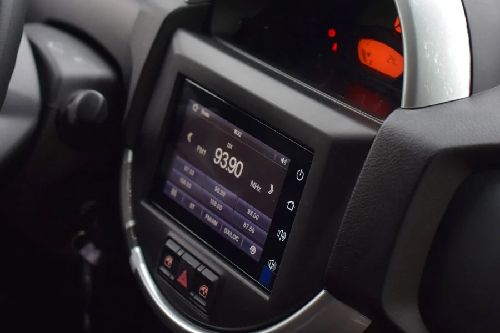
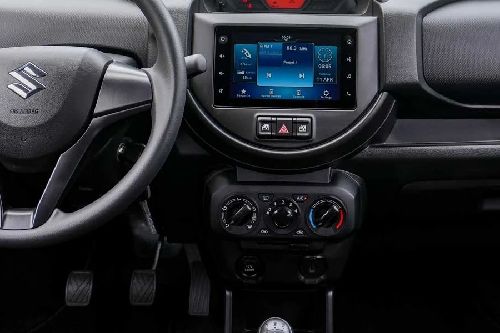
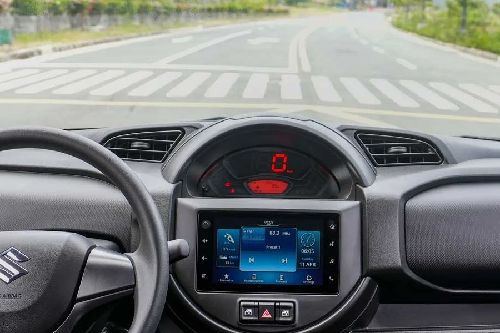
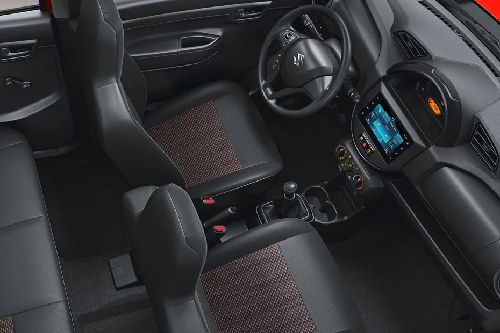
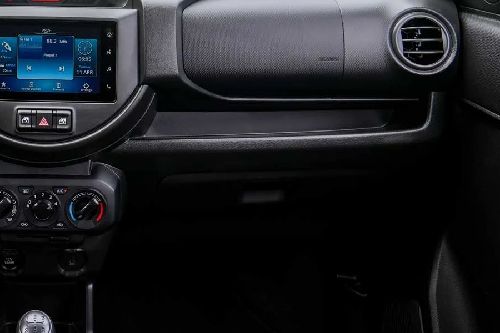
Inside, the Suzuki S-Presso has a unique-looking interior. Unlike the typical layout, the instrument panel is clustered together with the infotainment system at the center of the dashboard.
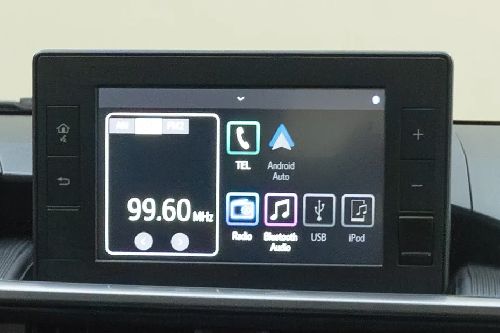
Taking center stage is a seven-inch digital infotainment screen with Apple Carplay and Android Auto connectivity features. Above it sits the digital speedometer with other instrumentation meters.
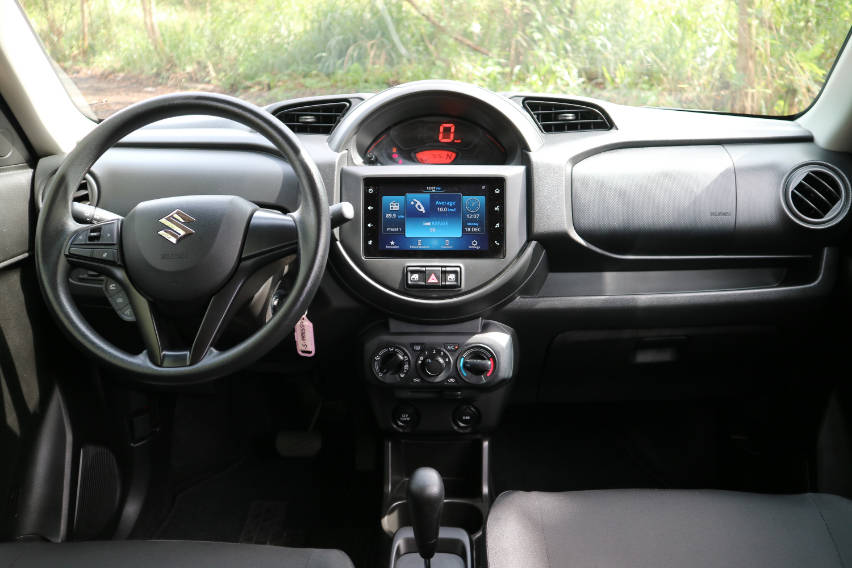 Photo by Juan Paulo Papa
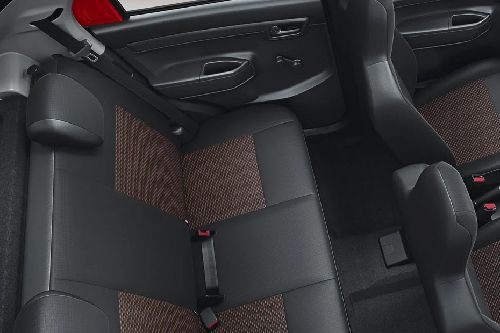
No leather seating option is available here. To keep the cost to a minimum, Suzuki swathed the S-Presso with fabric upholstery coupled with vinyl trims.
Here are some of its other features:
- Cabin lights
- Bottle holders
- Manual windows
- Manual parking brake
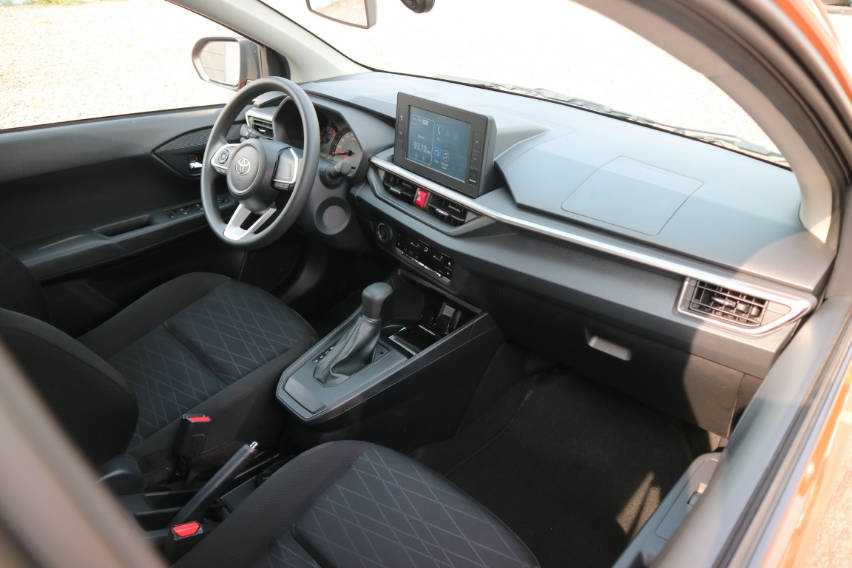 Photo by Juan Paulo Papa
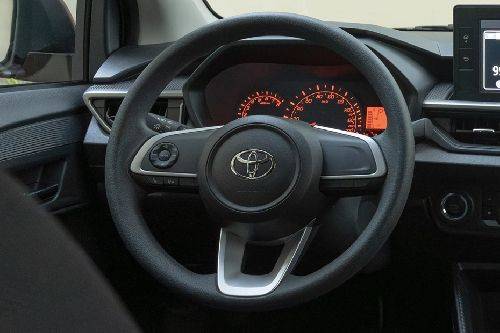
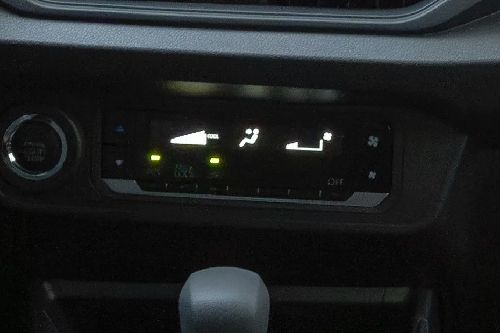
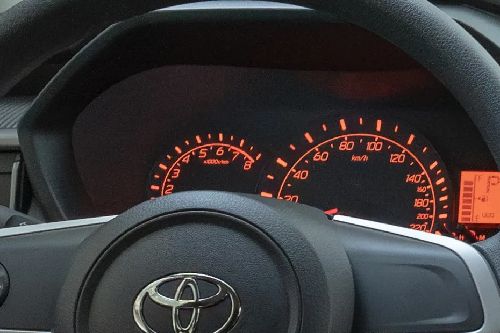
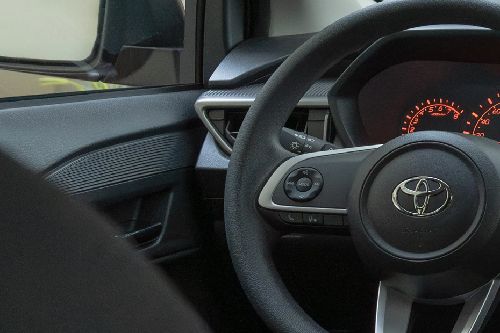
As for the Toyota Wigo, it uses a traditional layout with an instrument panel that combines digital and analog gauges as well as an eight-inch infotainment system in the middle of the dashboard.
For its seats, the Toyota Wigo also gets fabric coverings for comfort and utility.
Below are some of its other appointments:
- Digital manual climate control
- Up to four speakers
- Power windows
- Power doorlocks
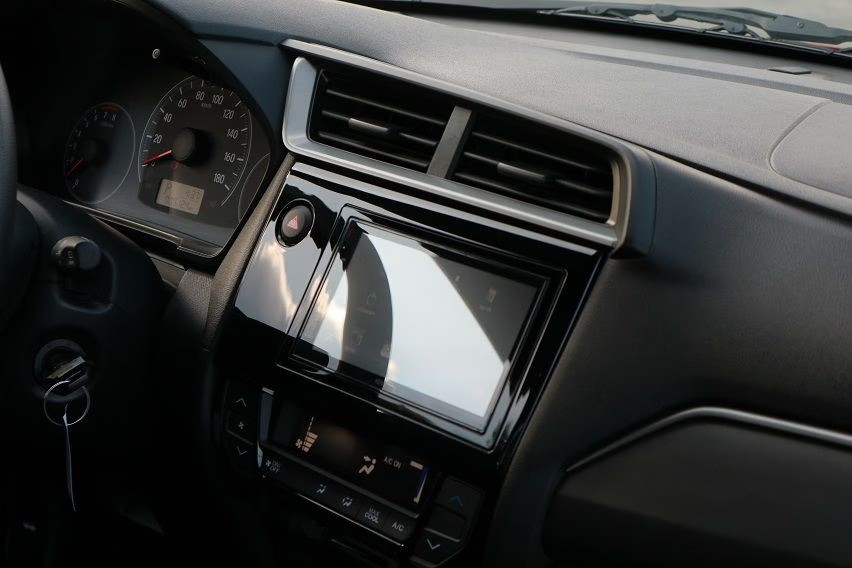 Photo by Juan Paulo Papa
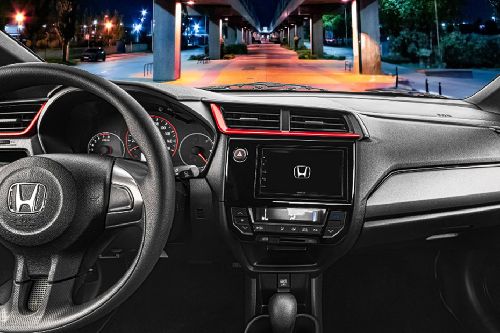
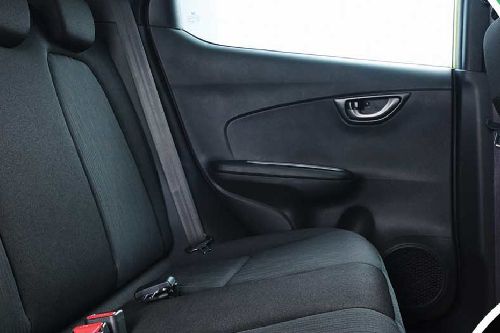
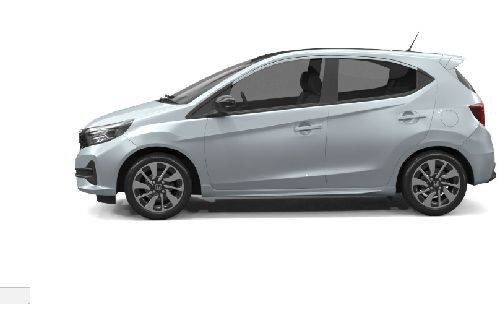
Lastly, the Honda Brio delivers not only in comfort but also in nostalgia, which we will get to in a few. Past its modest steering wheel is a combination of analog gauges complemented by a seven-inch infotainment system set at the console.
The seats are fabric, but we love the 90’s style pattern, which subtly reminds us of those confetti Recaro seats.
Here are some other features worth noting for the Honda Brio:
- Manual air conditioning with digital display
- Power windows
- Speed-sensing door locks
Winner
Overall, the three city cars come with simple cabins that seem to be geared more towards longevity rather than luxury. Nevertheless, the interior of the Suzuki S-Presso remains a standout since the only similar interior we can think of would be that of the Minis.
Powertrain
Under the hood of the Suzuki S-Presso is a 1.0-liter gasoline engine mated to the company’s auto gear shift, which combines the convenience of using an automatic transmission and the fuel economy of manual gearboxes.
The setup makes the following figures:
|
Maximum power output (in horsepower [hp>) |
67 |
|
Maximum torque (in Newton-meters [Nm>) |
90 |
Meanwhile, the Toyota Wigo is endowed with a similarly-sized gasoline mill paired with a continuously variable transmission (CVT).
It generates the below numbers:
|
Maximum power output (in hp) |
66 |
|
Maximum torque (in Nm) |
89 |
Finally, the Honda Brio uses a larger engine measuring 1.2 liters. It is also mated to a CVT and puts out the following outputs:
|
Maximum power output (in hp) |
88 |
|
Maximum torque (in Nm) |
110 |
Winner
For obvious reasons, the winner of this round is the Honda Brio. It is able to generate more power and more torque for quick acceleration in stop-and-go traffic.
Safety
Safety-wise, buyers of the Suzuki S-Presso can expect the following features:
- Airbags
- Seatbelts
- Anti-lock braking system (ABS)
- Electronic stability program
- Hill hold control
- Parking sensors
As for the Toyota Wigo, here are its safety technologies:
- Airbags
- Seatbelts
- ABS
- Vehicle stability control
- Hill assist control
- Rear camera
- Parking sensors
Finally, the Honda Brio offers the safety features on this list:
- Airbags
- Seatbelts
- ABS
- Electronic brake-force distribution
- Parking sensors
Winner
With all small cars packing almost identical safety features, we call this round a tie.
Pricing
Here are the variants of the listed nameplates as well as their respective price tags:
Suzuki S-Presso
|
P634,000 |
|
|
P674,000 |
Toyota Wigo
|
P615,000 |
|
|
P690,000 |
|
|
P735,000 |
Honda Brio
|
P827,000 |
|
|
P863,000 |
Winner
Judging on the numbers, the winner of this round is the Toyota Wigo since it allows car buyers to enjoy Japanese-engineered cars for a price that’s a little over P600,000.
Verdict
The clear winner of this three-way comparo is the Suzuki S-Presso. It offers car buyers a vehicle that can do more than the typical compact hatchback, at a price that won’t break the bank.
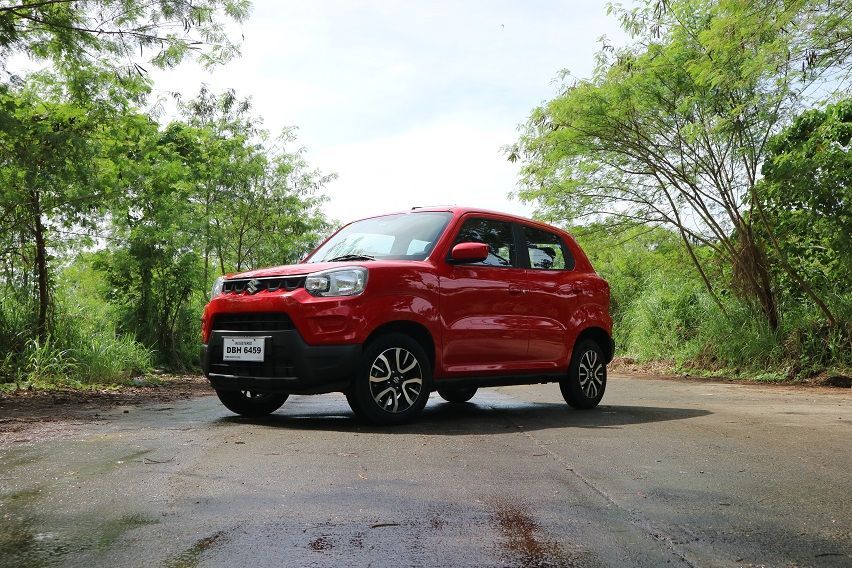 Photo by Juan Paulo Papa
We also love that it still offers a five-speed manual transmission, for people who prefer to drive than be driven.
Also read:
Suzuki S-Presso: capable daily driver, decent weekender
More than modest: Honda Brio V CVT
Proper commuter: Toyota Wigo G
Connect with us through our various social media pages:
Facebook: https://www.facebook.com/ZigWheelsPhilippines
Instagram: https://www.instagram.com/zigwheelsph/

Sell your car at the best price
 Verified and genuine buyers
 Free listing
-
Explore Honda Brio
-
-
Explore Suzuki S-Presso
-
-
Explore Toyota Wigo
-




Suzuki S-Presso Related Stories
- News
- Featured Stories
- Expert Review
-
 Suzuki PH launches ‘Yuletide Savings Holiday Promo’
MANILA: Suzuki Philippines Incorporated (SPH) wants to make this season merry and bright for customers with the launching of the...
Read MoreRuben Manahan IV, Dec 05, 2024 -
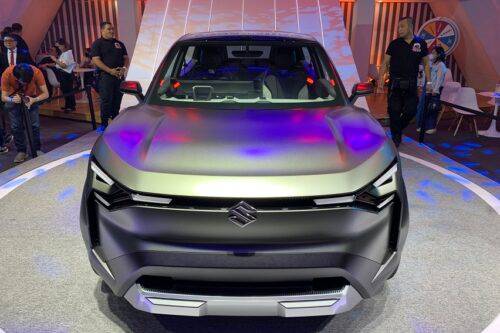
9th PIMS: SPH puts spotlight on Suzuki Jimny Rhino Editions, eVX Concept to showcase ‘Future City’
MANILA: To showcase its commitment in providing innovative and eco-friendly mobility solutions, Suzuki Philippines (SPH) has unveiled the eVX Concept...
Read MoreRuben Manahan IV, Oct 25, 2024 -
Suzuki PH continues to offer big savings this Oct.
MANILA: Suzuki Philippines (SPH) reminded its customers about the two promotions that are designed to make select offerings more accessible...
Read MoreRuben Manahan IV, Oct 21, 2024

-
Zigwheels PH most viewed for 2025: Suzuki S-Presso
Suzuki Philippines Incorporated has made a name for itself as a specialist when it comes to compact cars. One of...
Read MorePaulo Papa, Dec 22, 2025 -
Toyota Wigo vs. the competition
Despite the strength of larger vehicle segments, such as sports utility vehicles and multi-purpose vehicles in the Philippines, subcompact hatchbacks...
Read MoreCesar Miguel, Feb 19, 2025 -
Suzuki S-Presso AGS: how roomy is its cabin?
Suzuki launched the S-Presso AGS in early 2023, and the compact car has become a hit among beginner drivers as...
Read MorePaulo Papa, Dec 04, 2024
-
Suzuki S-Presso: capable daily driver, decent weekender
Small hatchbacks are often seen as city cars best suited for short trips within the metro. Thanks to their tiny...
Read MorePaulo Papa, Jan 04, 2024 -
Braveheart: 2021 Suzuki S-Presso GL MT
I’m a sucker for small cars. Growing up with the original Suzuki Beaver/Jimny and the Kia Picanto, my parents believed...
Read MoreRoy Robles, Aug 04, 2021
Suzuki Car Models
-

Suzuki S-Presso -
Suzuki Jimny -
Suzuki Ertiga Hybrid -
Suzuki Carry -
Suzuki APV -
Suzuki Jimny 5-Door -
Suzuki XL7 Hybrid -
Suzuki Swift -
Suzuki Dzire Hybrid -
Suzuki Fronx


Don't Miss
MIAS 2026


Trending & Fresh Updates
- Latest
- Popular
-

-
-
-
-
-
-
-
BYD DM-i lineup conquers Southern LuzonCesar Miguel, Mar 10, 2026
-
-
Tips on how to prevent vehicle firesCesar Miguel, Mar 17, 2026
-
How to prepare your car for summerCesar Miguel, Mar 11, 2026
-





-
Eneos to take over Caltex PH in 2027Paulo Papa, May 19, 2026
-
Porsche Q1 2026 sales slide by 15%Ruben Manahan IV, May 14, 2026
-
GAC to launch Aion UT in PHRuben Manahan IV, May 18, 2026
-
-
-
-
BYD DM-i lineup conquers Southern LuzonCesar Miguel, Mar 10, 2026
-
-
How well do you understand traffic signs?Cesar Miguel, Sep 09, 2025
-
-
Here are ways to avoid road ragePaulo Papa, Sep 23, 2025




You might also be interested in
- News
- Featured Stories


-
-
-
-
How did ‘Morizo’ start in motorsports?Ruben Manahan IV, May 18, 2026
-
-

Suzuki Featured Cars
- Latest
- Popular
-
Suzuki Fronx₱1.059 - 1.299 Million SRP Price Santa Cruz Davao Del SurMonthly Payments : ₱18,167 x 604 (4 Reviews) Get Exclusive Promos
-
Suzuki Jimny₱1.258 - 1.331 Million SRP Price Santa Cruz Davao Del SurMonthly Payments : ₱21,581 x 604.15 (80 Reviews) Get Exclusive Promos
-
Suzuki Ertiga Hybrid₱1.178 Million SRP Price Santa Cruz Davao Del SurMonthly Payments : ₱20,209 x 604.2 (25 Reviews) Get Exclusive Promos
-
Suzuki Carry₱614,000 - 798,000 SRP Price Santa Cruz Davao Del SurMonthly Payments : ₱10,533 x 604.18 (39 Reviews) Get Exclusive Promos
-
Suzuki APV₱743,000 - 955,000 SRP Price Santa Cruz Davao Del SurMonthly Payments : ₱12,746 x 604.17 (41 Reviews) Get Exclusive Promos
-
Suzuki Jimny 5-Door₱1.558 - 1.749 Million SRP Price Santa Cruz Davao Del SurMonthly Payments : ₱26,728 x 604.31 (16 Reviews) Get Exclusive Promos
Latest Suzuki S-Presso Car Videos on Zigwheels

-
2023 Suzuki S-Presso AGS Drive Review | Zigwheels.Ph12 Sep, 2023 .
-
2022 Suzuki S-Presso Special Edition Review | Zigwheels.Ph21 Dec, 2022 .
-
2021 Suzuki S-Presso GL Review | Zigwheels.Ph13 Oct, 2021 .
-
2021 Suzuki S-Presso GL Review | Zigwheels.Ph13 Oct, 2021 .
-
Z-List Ep.4 | Best Cars Under 600K26 Aug, 2021 .

Compare & Recommended
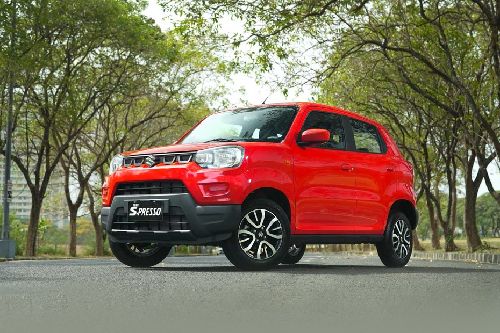
Suzuki S-Presso
₱634,000 - 674,000
S-Presso Price
|
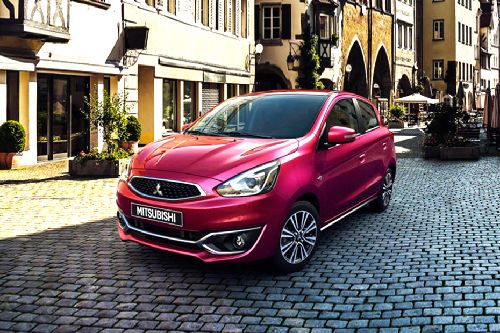
|
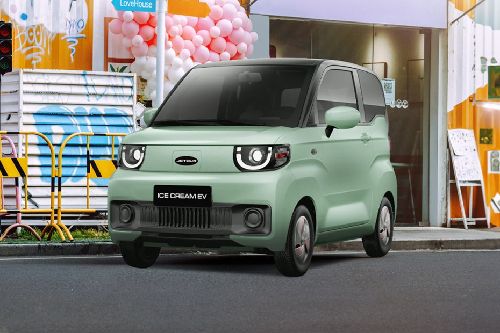
|
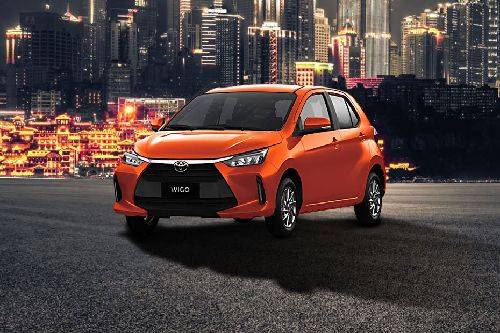
|
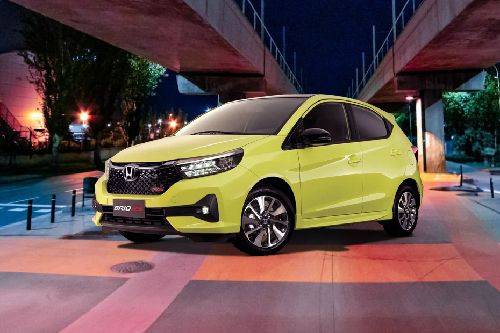
|
|
Fuel Type
Gasoline
|
Gasoline
|
Electric
|
Gasoline
|
Gasoline
|
|
Engine
998
|
1193
|
-
|
998
|
1199
|
|
Power
66
|
76
|
27
|
65
|
89
|
|
Torque
89 Nm
|
100 Nm
|
85 Nm
|
89 Nm
|
110 Nm
|
|
Transmission Type
Manual
|
Manual
|
Automatic
|
Manual
|
Manual
|
|
Ground Clearance
180 mm
|
160 mm
|
120 mm
|
160 mm
|
137 mm
|
|
Seating
5
|
5
|
4
|
5
|
5
|
|
|
Trending Hatchback
- Latest
- Upcoming
- Popular
-
Toyota GR Corolla₱3.811 - 3.955 Million SRP Price Santa Cruz Davao Del SurMonthly Payments : ₱65,379 x 604 (1 Reviews) Get Exclusive Promos
-
JMC JMEV EV2₱668,000 SRP Price Santa Cruz Davao Del SurMonthly Payments : ₱11,459 x 604 (1 Reviews) Get Exclusive Promos
-
JMC JMEV EV3₱788,000 SRP Price Santa Cruz Davao Del SurMonthly Payments : ₱13,518 x 604 (1 Reviews) Get Exclusive Promos
-
MINI Cooper Electric₱3.3 - 3.999 Million SRP Price Santa Cruz Davao Del SurMonthly Payments : ₱56,613 x 604.25 (4 Reviews) Get Exclusive Promos
-
MINI Aceman₱3.55 - 4.199 Million SRP Price Santa Cruz Davao Del SurMonthly Payments : ₱60,902 x 604 (2 Reviews) Get Exclusive Promos


-
-
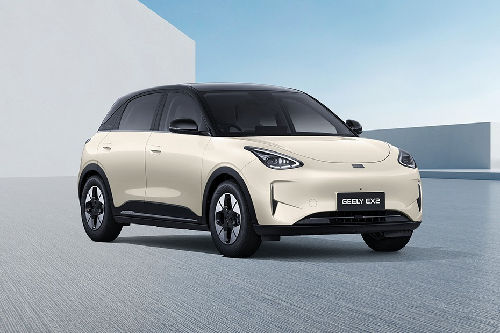
Geely EX2₱950,000 - 1.05 Million Expected Price Santa Cruz Davao Del SurExpected Launch TBA Alert Me When Launched
-
-
Toyota Wigo₱615,000 - 735,000 SRP Price Santa Cruz Davao Del SurMonthly Payments : ₱10,550 x 604.19 (90 Reviews) Get Exclusive Promos
-
Suzuki S-Presso₱634,000 - 674,000 SRP Price Santa Cruz Davao Del SurMonthly Payments : ₱10,876 x 604.14 (65 Reviews) Get Exclusive Promos
-
Mitsubishi Mirage₱720,000 - 781,000 SRP Price Santa Cruz Davao Del SurMonthly Payments : ₱12,351 x 604.26 (53 Reviews) Get Exclusive Promos
-
Honda Brio₱735,000 - 863,000 SRP Price Santa Cruz Davao Del SurMonthly Payments : ₱12,609 x 604.16 (75 Reviews) Get Exclusive Promos
-
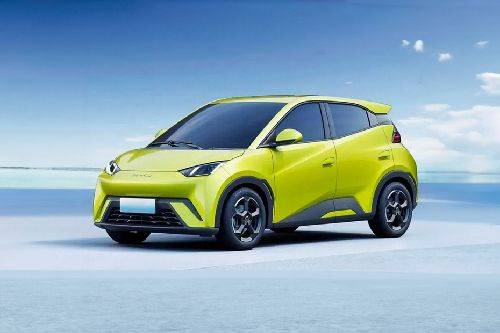
BYD Seagull₱898,000 SRP Price Santa Cruz Davao Del SurMonthly Payments : ₱15,405 x 604.13 (7 Reviews) Get Exclusive Promos
-
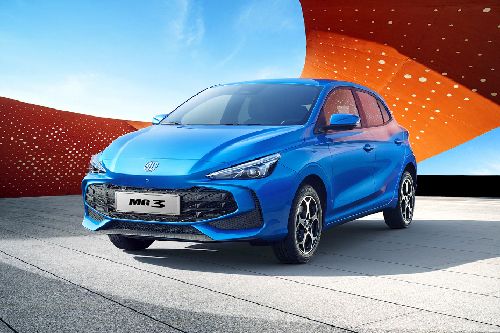
MG 3₱678,888 - 1.089 Million SRP Price Santa Cruz Davao Del SurMonthly Payments : ₱11,646 x 604 (7 Reviews) Get Exclusive Promos
Suzuki S-Presso Car Articles From Carmudi
- journal
-
Hot brew, cold climb: Can the Suzuki S-Presso AGS climb Baguio?Ruben Manahan IV, Jun 20, 2023
-
Suzuki S-Presso AGS: The good, the badPaulo Papa, May 23, 2023
-
Small hatch showdown: Suzuki S-Presso AGS vs. Toyota WigoPaulo Papa, May 22, 2023
-
Suzuki S-Presso AGS: The 4 fervent colorsPaulo Papa, May 18, 2023
-
Fresh brew: Suzuki S-Presso AGS now in PHRuben Manahan IV, May 15, 2023